 Riders Preferred Membership
 Log In
 Shop by Vehicle
 Track Order
 Contact Us
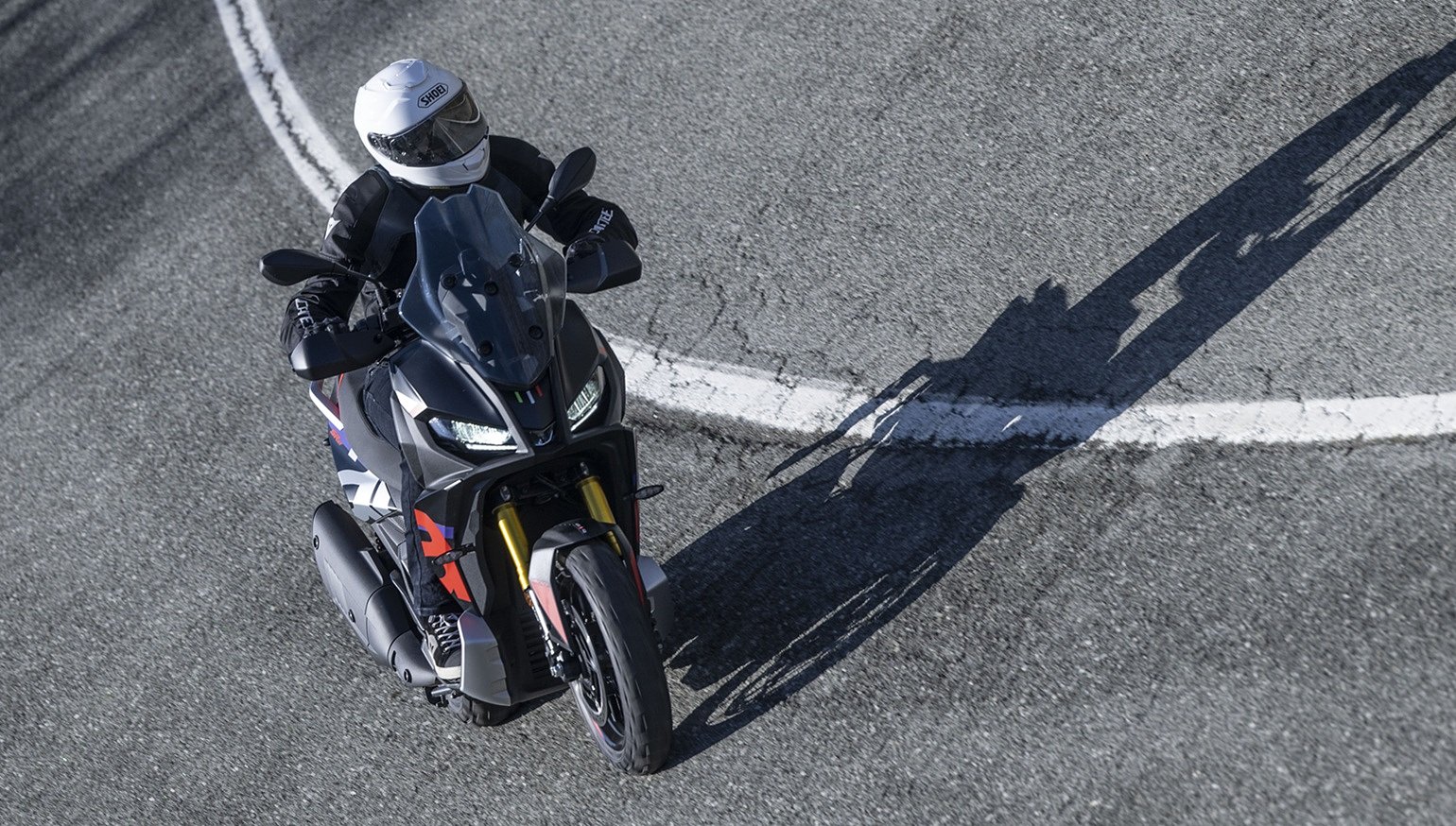
As new-model announcements trickle out at a slow pace this time of year, one particularly took me by surprise: a 400 cc scooter from Aprilia with an MSRP of $7,499? Doesn't Aprilia know scooters are dead in the United States?
But then, after I thought about it for a few minutes, I came to the conclusion that the Aprilia SR GT 400 maybe makes some sense after all.
To understand my point, we have to take a quick look at what's going on with scooters in the U.S. market.
Where did all the scooters go?
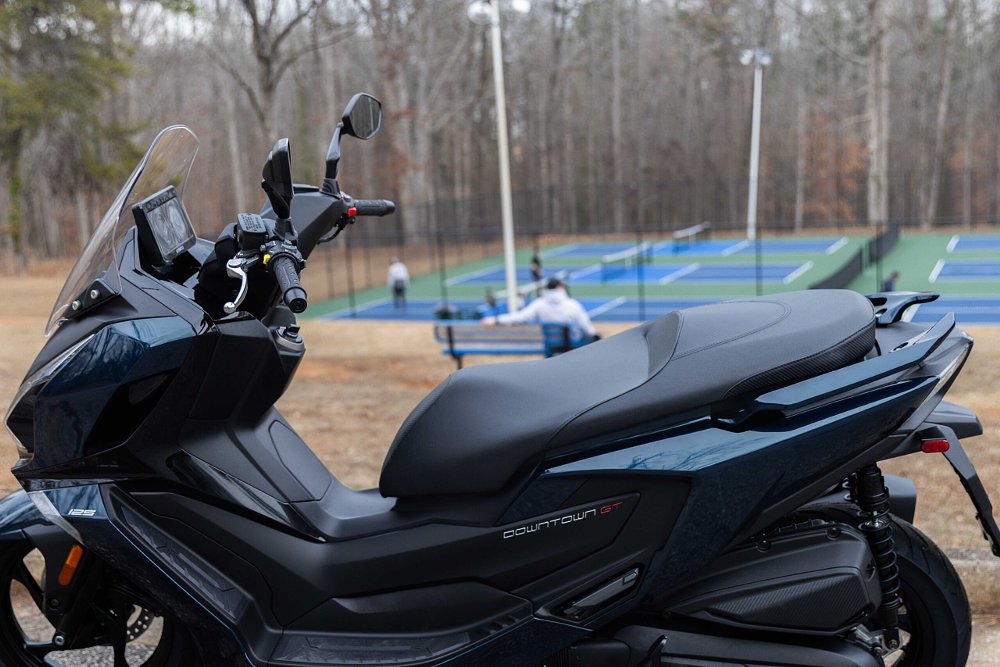
Consider how the floor has fallen out for scooter sales in the United States over the past decade. In 2015, the Motorcycle Industry Council (MIC) reported that its members sold 30,065 scooters in the United States. In 2025, that number was 11,104. And the decline over that time has accelerated in recent years. The 2025 sales number represented a 29.4% drop from 2024.
There are some caveats. Those stats don't capture the sales of cheap imports by companies that aren't MIC members. But by any measure, the popularity of the traditional, street-legal, step-through scooter has plummeted. It's not hard to spot some of the reasons why.
Scooters (except for the few maxi-scooters) were always used mainly for local, urban transportation. But consider the choice facing a city resident of today who wants an inexpensive way to get to work or down to the neighborhood shops. That person can buy a 50 cc scooter that requires a motorcycle license, registration, insurance, and a parking spot on the street. Or, our city dweller can buy an electric bicycle that requires none of the above and can be stashed inside at night where it won't be stolen, rained on, or backed into by an inept parallel parker. Or, to go even lighter and more basic, there's a stand-up electric scooter that costs even less and takes up almost no space.
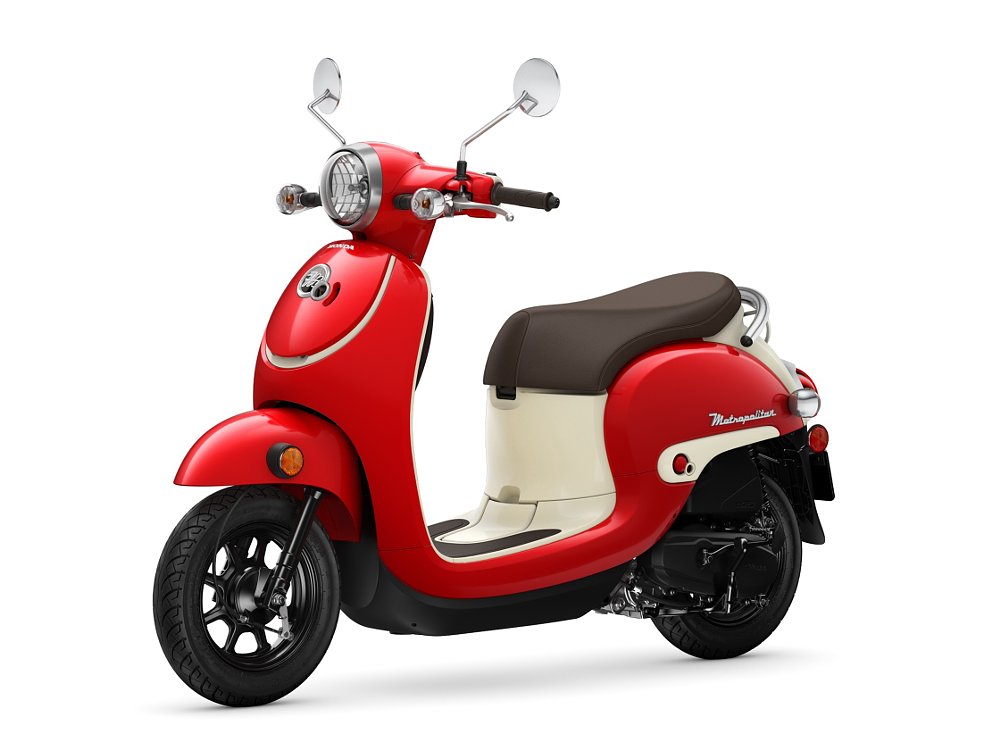
From a purely practical standpoint, it's easy to see that something like the traditional 50 cc gas-powered scooter loses out in every category, meaning the only reason to choose one is because you love the style. And while thousands of Vespa fans rode around Rome recently to celebrate the 80th birthday of the scooters that set the style standard for the class, it's also true that with every passing year the number of people who have seen "Roman Holiday" gets smaller.
The reason I think the Aprilia SR GT 400 makes some sense is because it avoids the headwinds of competing against the new forms of "last mile" transportation while taking advantage of some other trends that can serve as a tailwind.
Doing more than scooter things
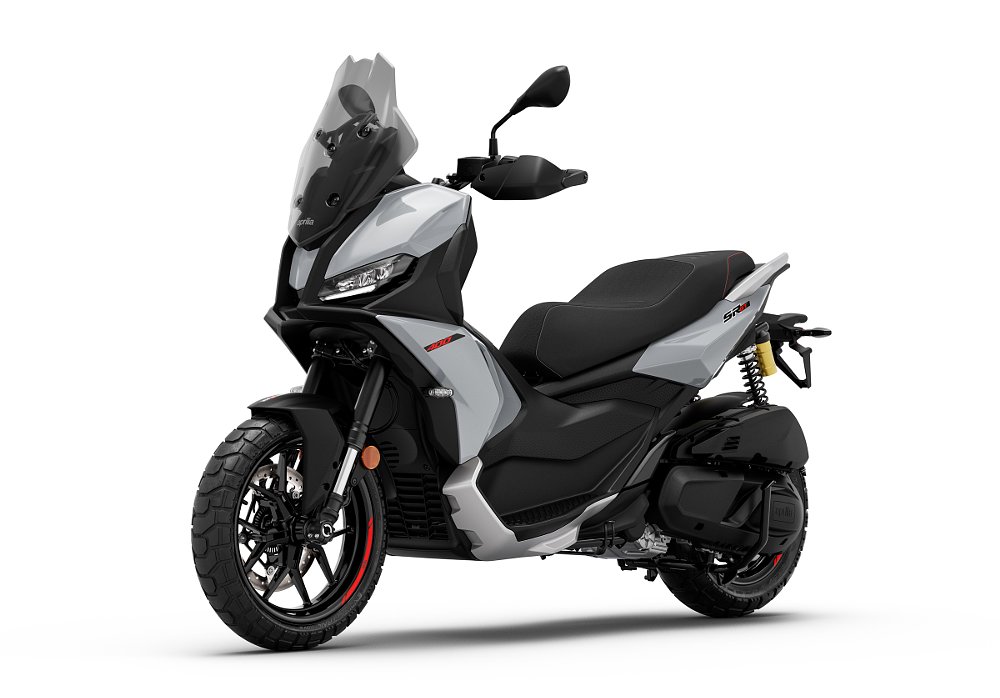
While other manufacturers have completely abandoned the step-through scooter segment in the United States, the Piaggio Group continues to sell a full line of scooters under the Piaggio, Aprilia, and Vespa brands. You can get everything from a Piaggio Liberty 50 right up to this SR GT 400 Rally Replica, the new top of the line.
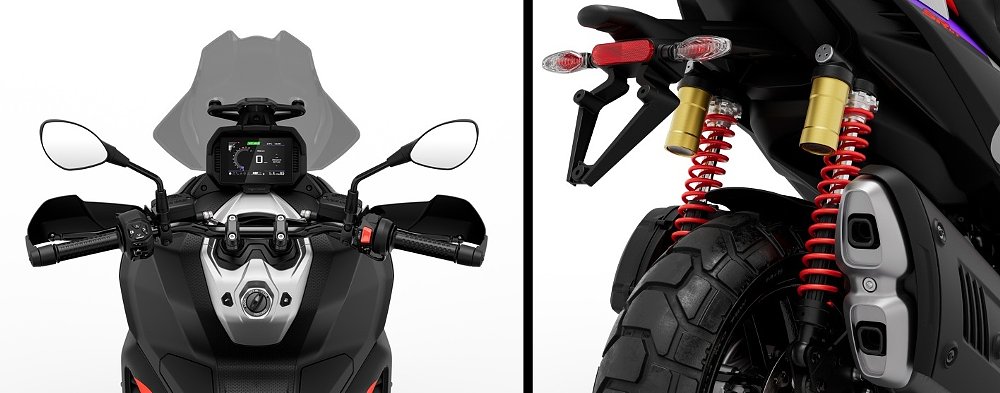
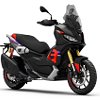
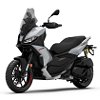
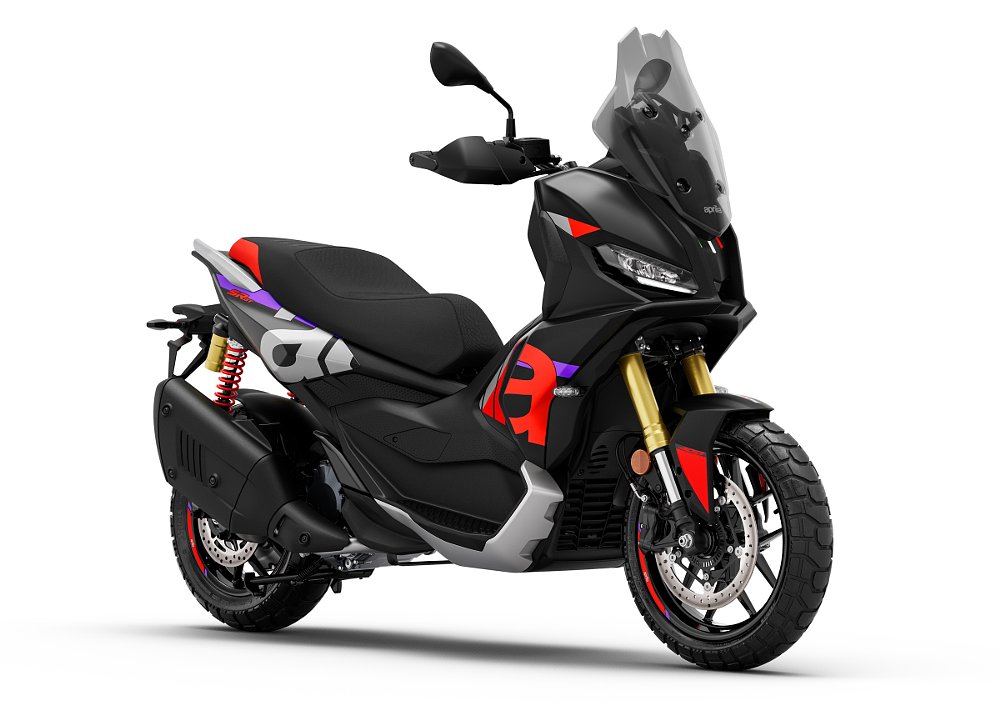
Rather than compete with the new "last mile" mobility options, the SR GT 400 does things they can't. With its 399 cc single making a claimed 36 horsepower, it can go on the highway. It features anti-lock brakes, two-level traction control, an inverted front fork, a five-inch TFT display, and keyless ignition. It features blocky Mitas Enduro Trail-ADV 2 tires, in new sizes developed specifically for this model (120/70R16 front and 150/70R14 rear), not because you're going to tackle single-track trails but because they'll handle a variety of conditions, from rainy city streets to cobblestones or worse, and they'll project a rugged image while parked.
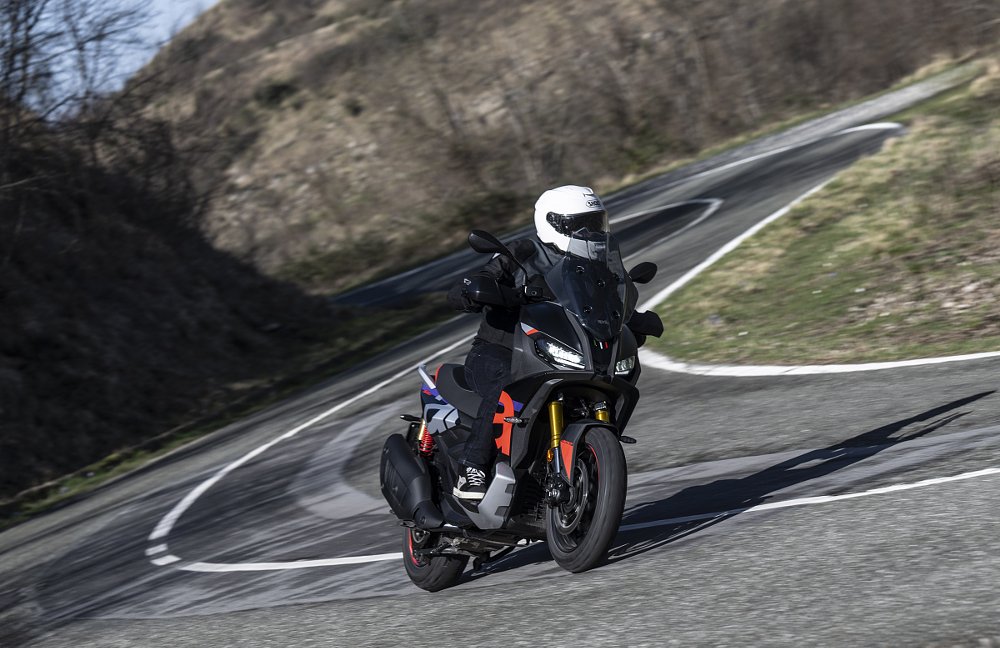
Plus, the SR GT 400 fits into the trend of more manufacturers offering automatic transmissions or automatic clutches in various forms to remove the burden of shifting for riders who don't like — or maybe never had the chance to learn, now that cars are almost universally automatics — a manual transmission.
Don't get the wrong impression here. I'm not suggesting the SR GT 400 is going to be a big seller in the U.S. market. A sporty-looking, 39-horsepower scooter that costs nearly as much as a Honda CB750 Hornet that also makes clutch use optional will definitely be a niche product. But scooters continue to sell in larger numbers in other parts of the world, so if Piaggio can import some of those models to the United States and gain a few more sales by targeting niches that are otherwise nearly abandoned and by going with the trends, instead of against them, then why not?
Just as I've argued in the past that the traditional sport-touring motorcycle is not dead, but rather just evolving, and just as we've seen adventure-touring motorcycles shift from bigger and more complex to middleweights that are more manageable, I'd say the same thing is happening with scooters. The scooter isn't dead in the U.S. market. It's just less common. And it has to evolve to survive.
Image Gallery