

 Membership
 Riders Preferred Membership
 Shop by Vehicle
 Track Order
 Contact Us
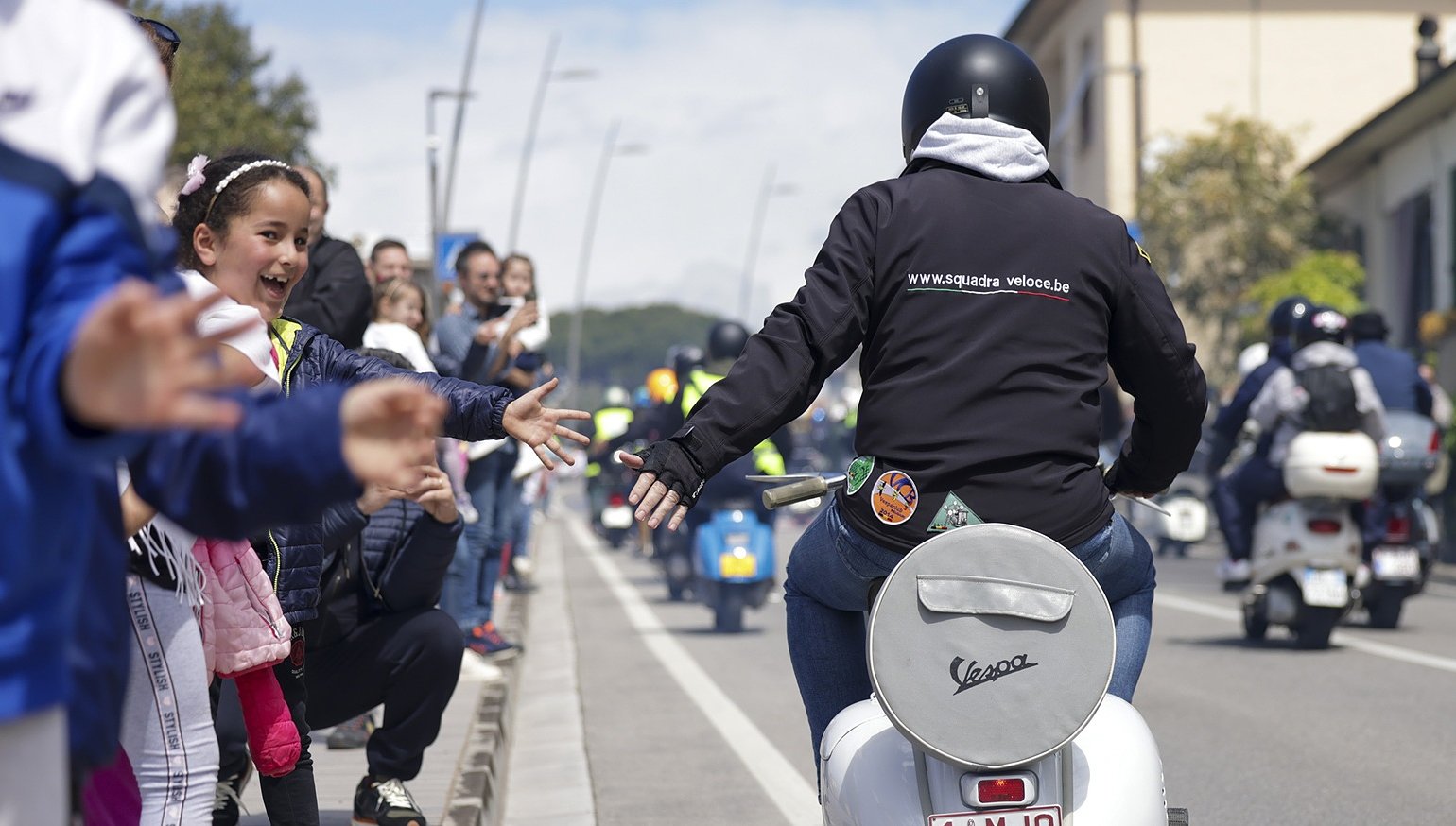
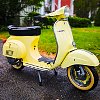
Last month, as I watched the new owner of our 1978 Vespa Primavera 125 load the small, yellow scooter into a large moving van, I couldn't help but wonder if it might end up at this weekend's festivities in Rome. Piaggio is going all out to host a four-day celebration of 80 years of its iconic Vespa in the city that forever made scooting around on cobblestones the essence of romance.
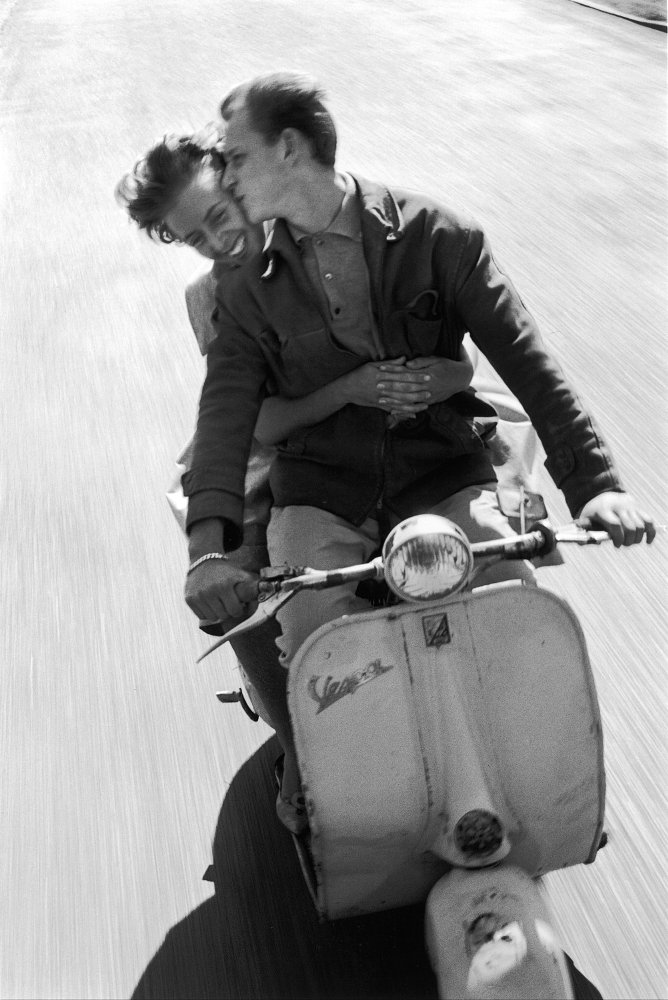
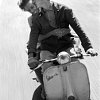
This particular Primavera might not be a candidate for a remake of Gregory Peck and Audrey Hepburn’s 1953 film "Roman Holiday," which made the Vespa a celebrity, but the 30-something Italian man who bought it told us he'd be sending it to his hometown in northern Italy. He'd always wanted this model, he explained, but hadn't found the right one. It was the third vintage Vespa to leave us in upstate New York for a new home. Sometimes, whether a vehicle works or not depends on the context.
The birth of an icon
When Piaggio released the Vespa in 1946, in the aftermath of a brutal world war, context was key. Italy became a democratic republic with a historic vote on June 2, 1946, which ended the monarchy and 20-plus years of fascist rule. While the United States immediately turned wartime production into a major economic boom, Italy faced an arduous period of recovery and rebuilding. Infrastructure had been dismantled, roads and factories destroyed, and people left in economic distress.
Getting back to work and school necessitated the creation of practical, economical vehicles. Established Italian motorcycle manufacturers launched smaller models as the war came to a close, such as the Moto Morini Turismo 125 and the Moto Guzzi Motoleggera 65 "Guzzino," both released in 1946, like the Vespa. Ducati, which during the war had been producing electronics, also entered the motor-making business, creating the Cucciolo, a small engine for mounting on a bicycle frame. Cars were scarce, and simple bicycles were not always enough to get people where they needed to go.
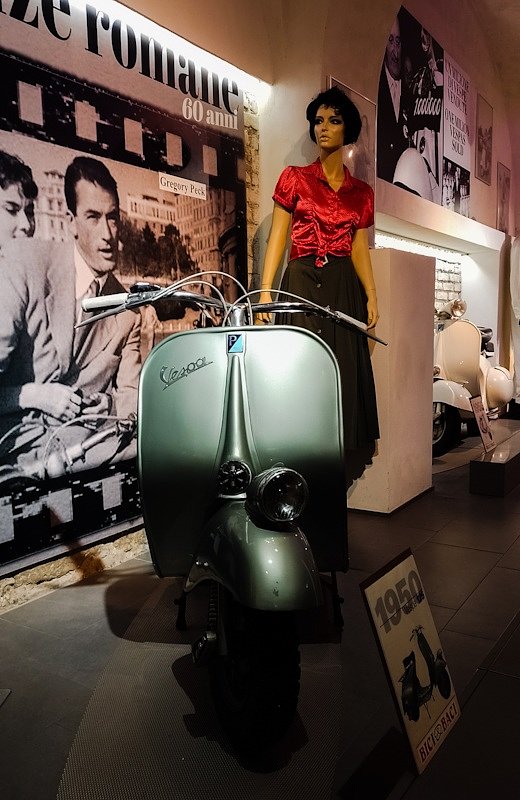
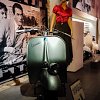
When Enrico Piaggio and aeronautical engineer Corradino D'Ascanio, who by all accounts did not like motorcycles, filed their patent in April 1946, they did not envision a traditional frame that required throwing a leg over. Instead, they reimagined two-wheeled transport for the everyday user: a flat footboard on a step-through design, good for carrying things while wearing street clothes, including a skirt; covered mechanicals to keep the rider from being exposed to grease and dirt; and controls on the handlebars to make operation easier. Function, as well as a touch of aircraft-inspired design, gave rise to the Vespa, named by Piaggio for its wasp-like shape.
The Vespa was also conceived to be affordable for the masses, initially costing about 55,000 to 61,000 lire. This was equivalent to about five months' salary for an average-paid worker, at a time when a car cost about five times as much. The new machine was an immense success. Piaggio sold more than 115,000 Vespas between 1946 and 1950. Today, sales are reported to have exceeded 20 million globally, and Vespa has produced more than 150 models over its 80-year history.
Global symbol, but not the best-seller at home
In Italy, an estimated 1.5 million Vespas are currently in circulation compared to not more than 150,000 on American roads. Vespa and parent company Piaggio account for 39% of all scooter sales in the United States. In Italy, Vespa holds about 10% to 15% of the scooter market.
Eighty years later, context still matters. When I was about to demo an Aprilia Tuono 660 at a recent Americade rally, I started chatting with three gentlemen ready to ride some new Vespa models. One lived in Boston and said he'd use it to run errands near his home. Another was planning to take a Vespa to his beach house on Cape Cod. The third said he just wanted to demo a scooter because he'd never been on one. All three already owned motorcycles. When I asked why a Vespa, they gave variations on the same answer: Vespa and scooter were essentially synonymous. If they were going to buy a scooter, it would be a Vespa.
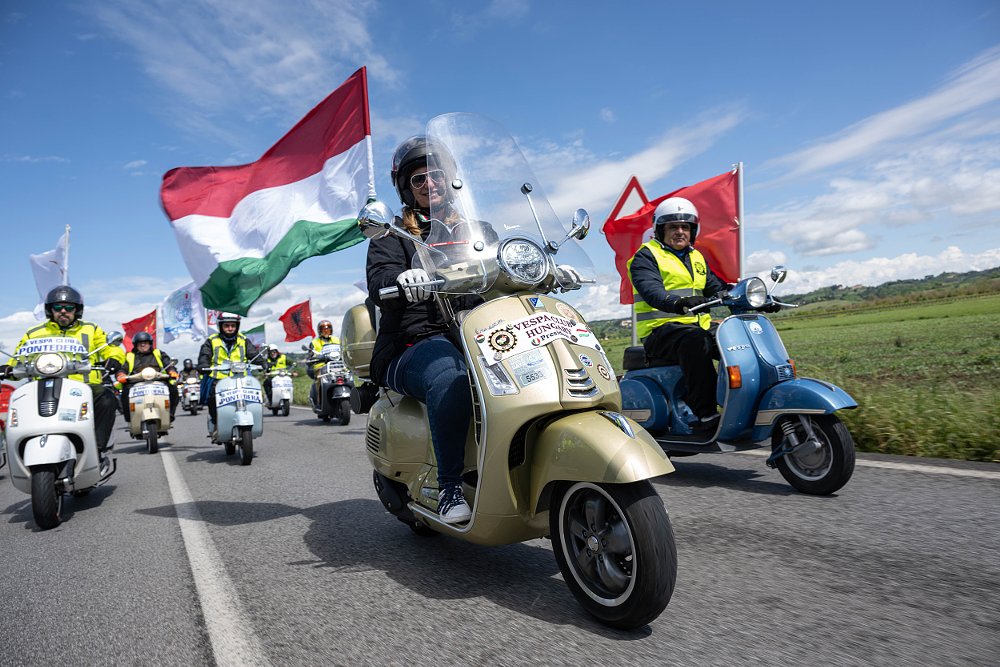
When I lived in Italy, my now-husband first took me around Rome on a French MBK scooter. When we moved in together, we bought a Honda SH50. The Honda SH models are the best-selling scooters in Italy, with the 125i in first place. In that context, a Vespa was less practical for us. The wheels were smaller and the design less accommodating for two tall people. Still, the Vespas were eye-catching and managed to maintain their "made in Italy" appeal. They always stood out in a sea of anonymous scooters, making me wonder what the dolce vita era must have been like.
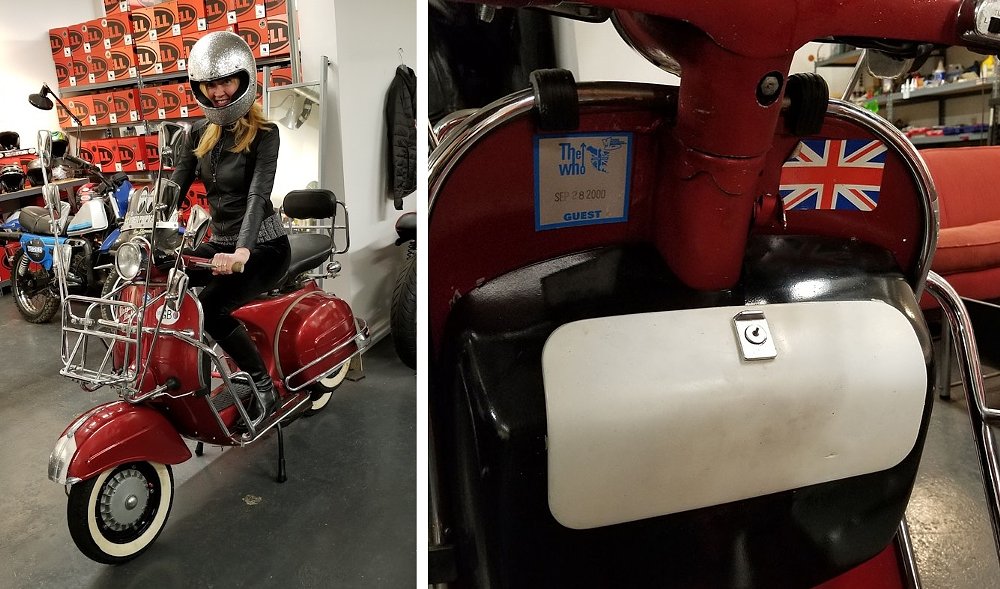
A lingering nostalgia for something we never actually lived motivated my husband and me to buy and then sell vintage Vespas in upstate New York. First was a 1972 90, small and adorable, but not that easy to ride in local traffic. A young man from Brooklyn bought it but then took it to Long Island, fearing it would not survive on pothole-filled city streets. Next came a true Mod Vespa, a 1976 Rally 200, complete with a backstage pass for The Who and loaded with mirrors. When we parted with it, a collector near Boston added it to his growing selection of modified Vespas.
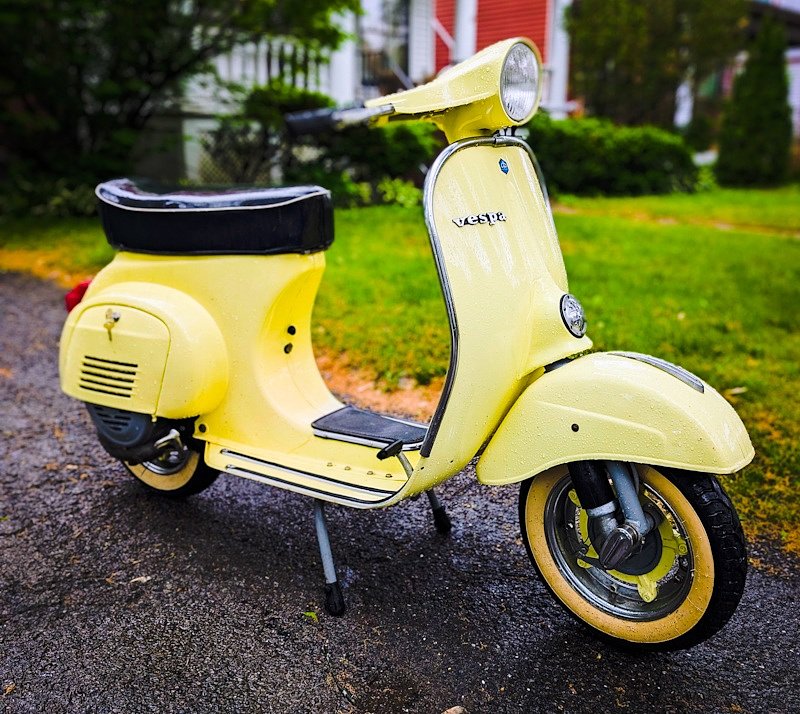
Watching the Primavera disappear into the back of the moving van, I was reminded that vehicles do not carry the same meanings everywhere. The Vespa remains a practical form of transportation for millions of people, particularly in the dense cities and towns where it was designed to thrive. Yet it also occupies a cultural space few vehicles ever achieve. The scooter that helped Italians get back to work and school after World War II has become, at various times and in various places, a fashion statement, a collectible, a symbol of Italy, and an object of nostalgia.
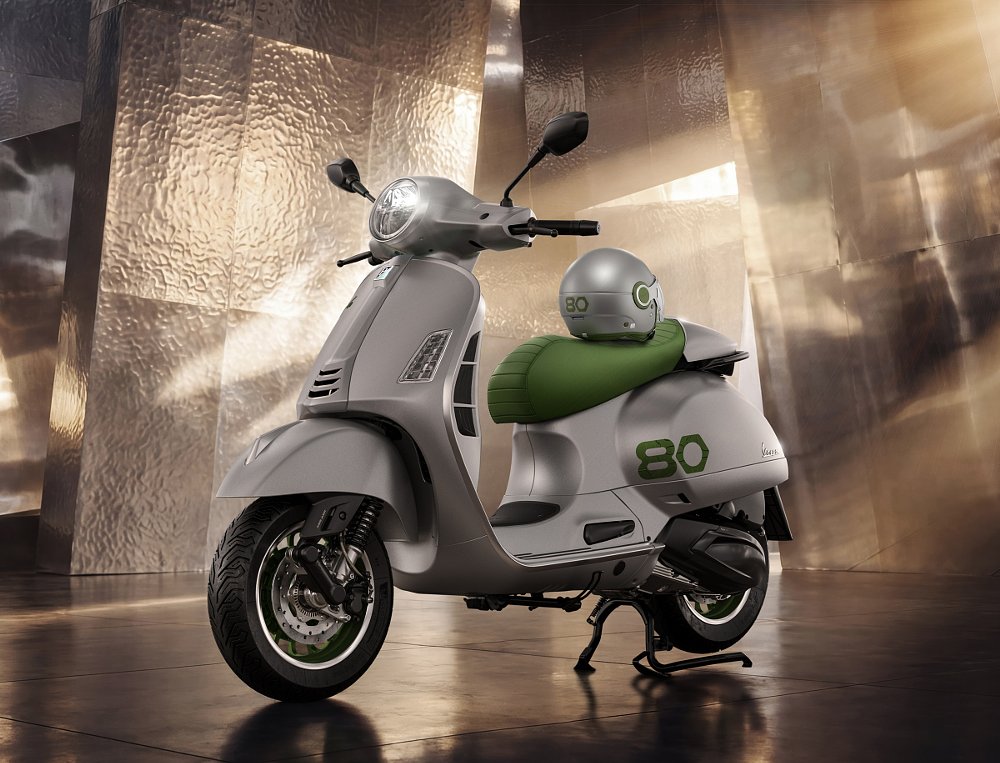
That may be the most useful way to understand the Vespa's 80th anniversary. The scooter emerged from a very specific moment in Italian history, but it proved adaptable enough to survive long after that moment had passed. What attracted riders in postwar Italy is not necessarily what attracts them today. Over eight decades, the Vespa acquired new significance in different places while remaining recognizably itself. If context helped create the Vespa in 1946, context also helps explain why it is still with us in 2026.
Image Gallery