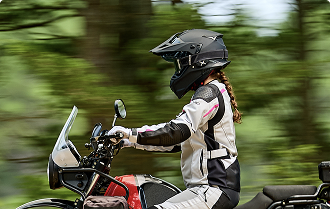
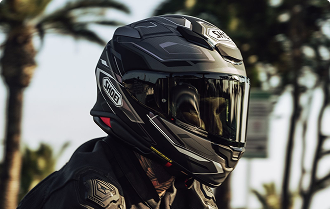
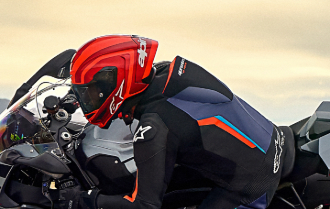
Helmet safety is about energy management. Here we'll cover some modern safety standards, compare them side by side, and highlight a few top-rated helmets.
MOTORCYCLE HELMET RATINGS EXPLAINED
MIPS specializes in rotational mitigation using a range of technologies, like slip layers, which are safety-enhancing helmet add-ons.
SNELL is a voluntary certification indicating a helmet meets rigorous impact, penetration, and roll-off standards typically associated with high-speed riding.
SNELL is a voluntary certification indicating a helmet meets rigorous impact, penetration, and roll-off standards typically associated with high-speed riding.
OBLIQUE TESTING ?“Oblique Testing” simulates a crash using a moving, abrasive surface to test and measure how well a helmet protects the brain from rotational forces during a glancing or angled impact, rather than a direct, straight-on hit.
Not Tested
Tested
Tested
Tested
CHIN BAR RIGIDITY TESTING ?Research shows that the chin bar is the most common impact area in real-world accidents. This test evaluates the structural integrity and energy-absorbing capabilities of a helmet’s frontal section.
Not Tested
Tested
Tested
Tested
IMPACT ATTENUATION TESTING ?Using a variety of anvils, this critical test measures how effectively a helmet’s internal liner—typically Expanded Polystyrene (EPS)—absorbs and dissipates kinetic energy, preventing it from transferring directly to a rider’s brain.
Max Velocity6.0 m/sMax Allowed G-Force400G
Max Velocity8.2 m/sMax Allowed G-Force275G
Max Velocity7.75 m/sMax Allowed G-Force275G
Max Velocity8.2 m/sMax Allowed G-Force275G
TOP HELMETS
ECE 22.06 RATED
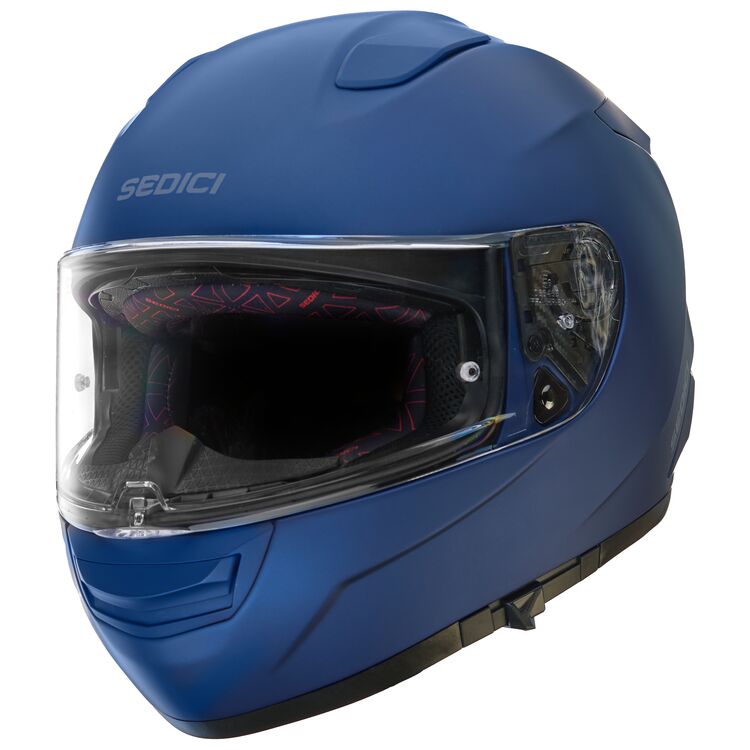
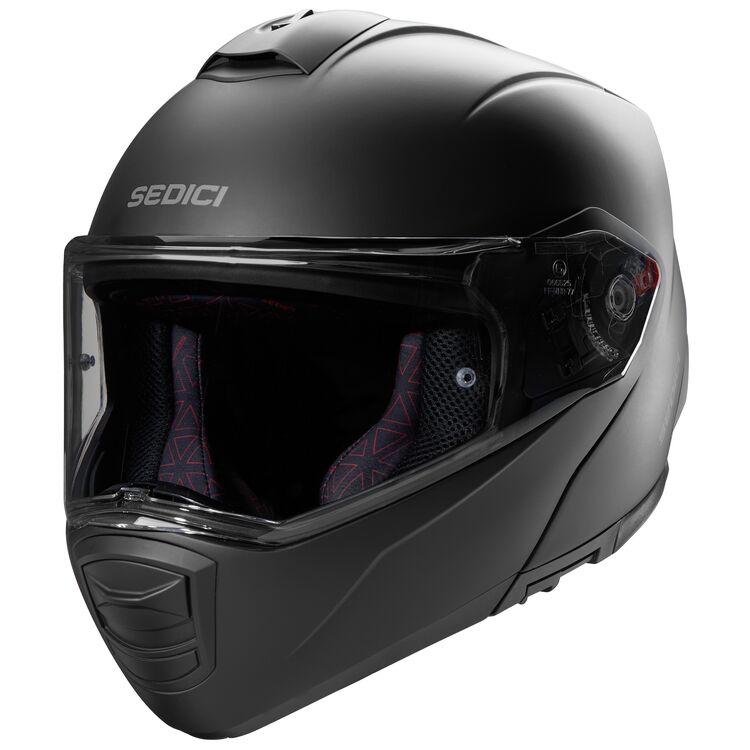
SEDICI
Strada 3 Mips
Feature-rich and budget-friendly. Available in four shell sizes, ECE 22.06 certified, and delivering superior air flow and venting. Whatever and however you ride, there's a Strada 3 to match.
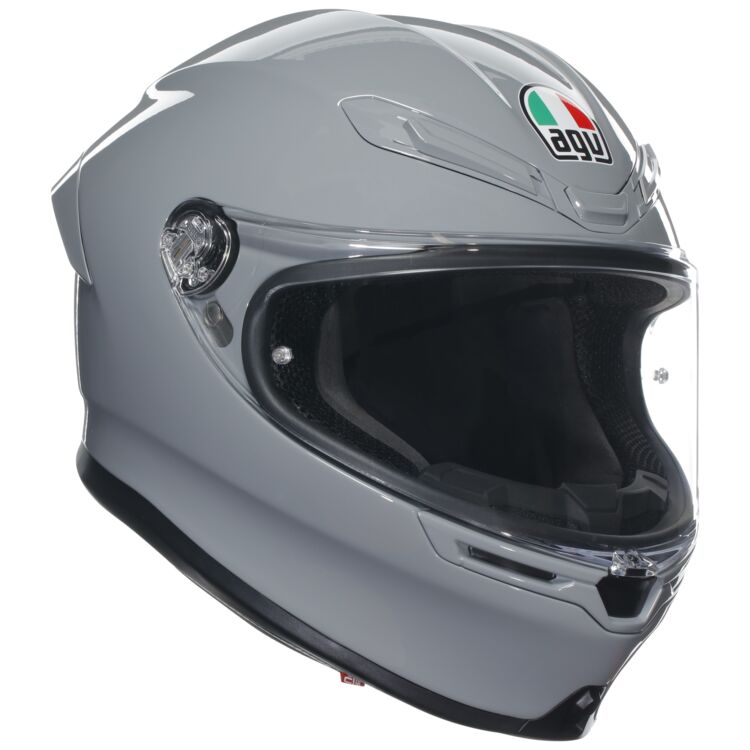
Track-inspired, street-ready. Engineered with a lightweight carbon-composite shell for unmatched safety and aerodynamics. Features a customizable A-Head fit. ECE 22.06 and DOT rated.
Elevated touring comfort. This lightweight fiberglass modular helmet features refined aerodynamics for a quieter ride, enhanced venting, and a customizable fit. DOT and ECE 22.06 rated.
The essence of versatility. Developed to deliver maximum performance across all types of riding. Ultra-lightweight carbon-aramid shell, ECE22.06 rated, and soft microsense Interior padding for premium comfort.
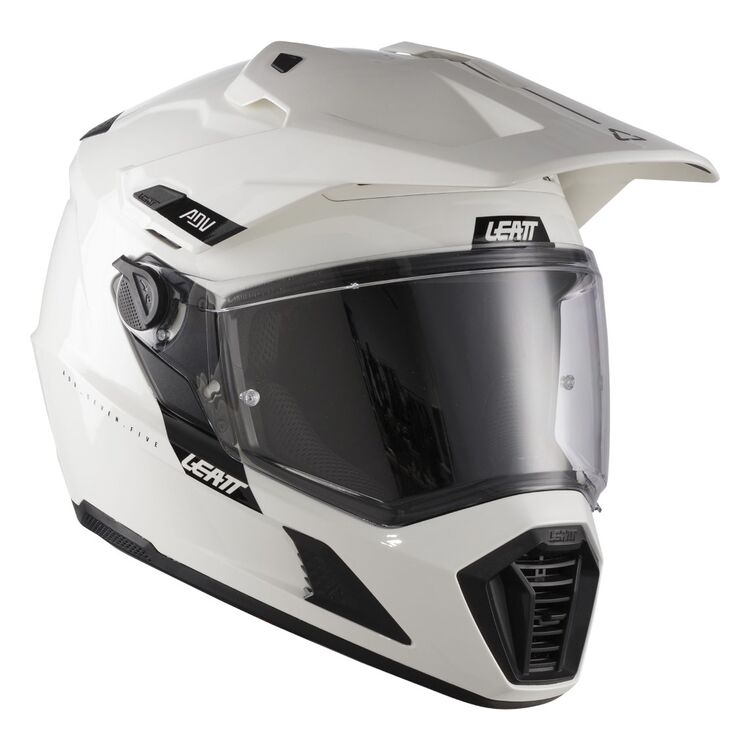
Made for the adventure rider with a focus on safety, comfort, and adaptability. Turbine technology for added rotational impact protection, extra wide eye port for goggles, ECE22.06 rated, and 4-Way rider setup.
Race-bred and road-ready. Over 10 years of research, development, and testing shaped one of the most advanced, protective, and performance-enhancing helmets on earth. Full carbon shell, ECE 22.06 and FIM rated.
Seamlessly switch from full to open-face. This lightweight fiberglass helmet features a one-handed 180-degree pivoting chin bar, built-in sun shield, and dynamic airflow. DOT and ECE 22.06 rated.
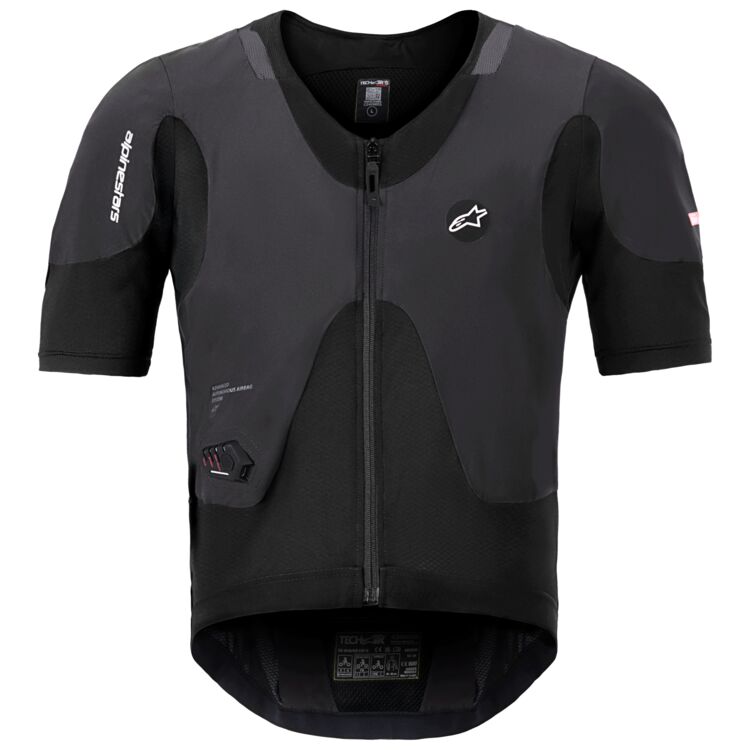
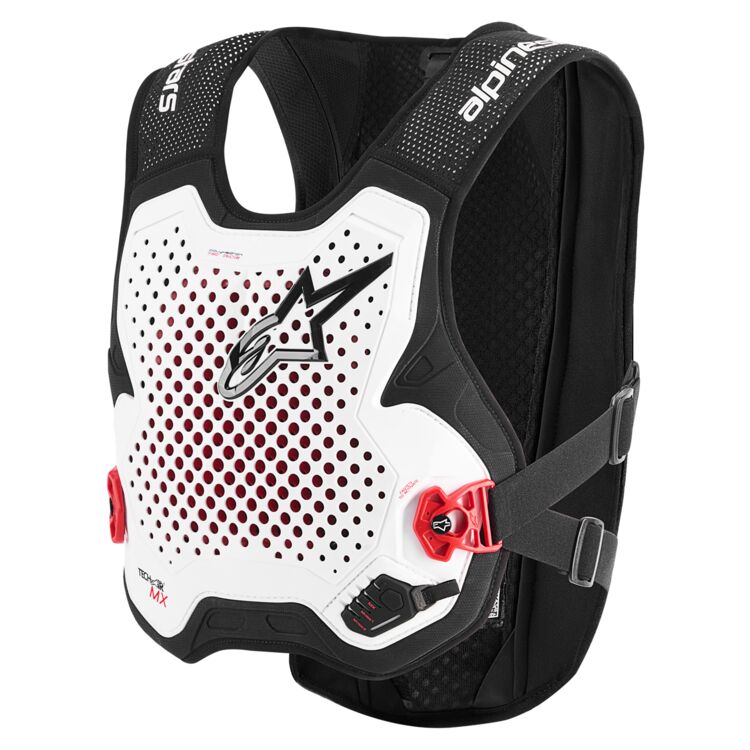
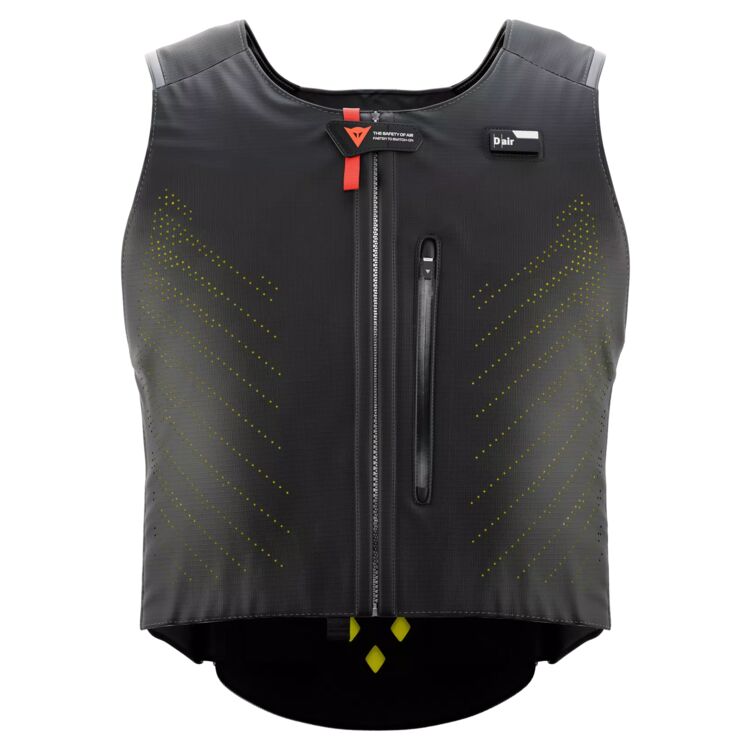
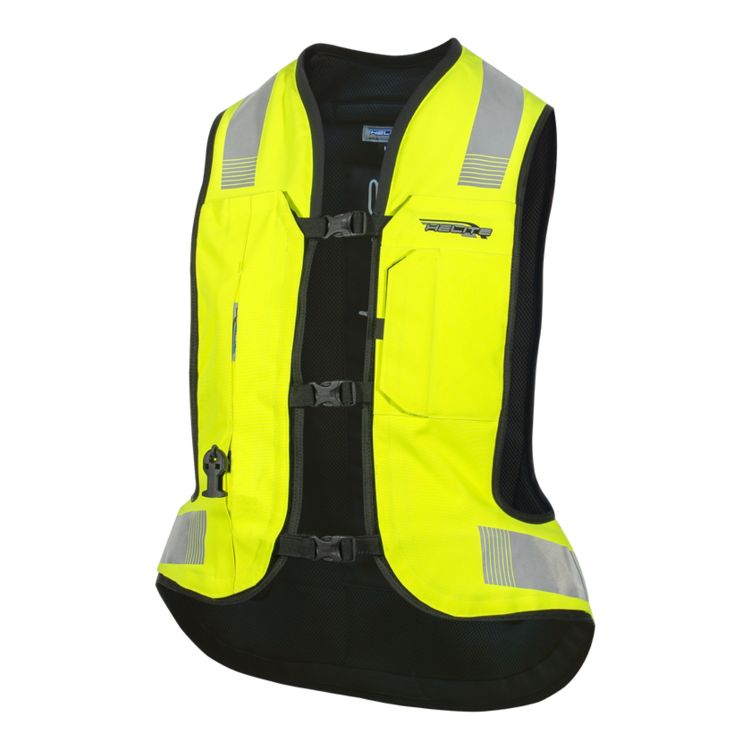
Wearable airbags are revolutionizing rider safety, blending cutting-edge technology with sleek design. Modern systems are lightweight, low-profile, comfortable, and can decrease impact force by up to 95% (compared to a passive protector). The numbers speak for themselves.
QUICK FACTS
Up to
95%
Impact Force Reduction
Compared to Passive Armor
Up to
1,000x
Calculations Per Second
AI motion monitoring frequency
AS LITTLE AS
40ms
Average Inflation Time
8x faster than the blink of an eye
TYPES OF MOTORCYCLE AIRBAGS
Autonomous ECU
Using a network of gyroscopes and accelerometers, an internal ECU monitors pitch, yaw, and speed up to 1,000 times per second. The algorithms recognize the signature of a crash and electronically deploy the airbag in milliseconds, often before impact even occurs.
The analog benchmark. A heavy-duty cord connects these systems directly to the bike's frame. If you're thrown, the tension pulls a mechanical key, puncturing a CO₂ cartridge to inflate the vest instantly.
Using a network of gyroscopes and accelerometers, an internal ECU monitors pitch, yaw, and speed up to 1,000 times per second. The algorithms recognize the signature of a crash and electronically deploy the airbag in milliseconds, often before impact even occurs.
The analog benchmark. A heavy-duty cord connects these systems directly to the bike's frame. If you're thrown, the tension pulls a mechanical key, puncturing a CO₂ cartridge to inflate the vest instantly.
Think of your gear as a two-part protection system: the outer shell is designed to handle sliding friction, while the inner armor is meant to handle impact forces. If you're riding in it, it should be CE rated.
APPAREL
Gear has to pass EN 17092—an independent lab test for abrasion resistance, seam strength, tear resistance, dimensional stability, and innocuousness. After that, it's assigned a specific protection class (A, AA, or AAA). So, CE is the stamp of approval, EN 17092 is the specific test, and A/AA/AAA is the score.
CE RATEDAAA GEAR
TESTED AT ~75 MPH
The top level of protection available. Professional racing-grade abrasion and impact resistance.
Class B garments meet Class A abrasion-resistance standards, but come without impact protection, which can usually be purchased separately.
CE RATEDC GEAR
Class C garments, also known as "protection containers", are meant to hold impact armor in place and do not meet minimum abrasion resistance protection.
MOTORCYCLE ARMOR
Armor is certified at either CE Level 1 or CE Level 2. It's tested and assigned a rating based on how much impact energy reaches the body, a metric known as transmitted force. Lower transmitted force = better overall protection.
CE RATED
LEVEL 2 ARMOR
Limb Protectors (Elbow, Knee, Hip & Shoulder) — EN 1621-1:2012
Must transmit less than 20 kN. Offering more comprehensive protection, these absorb and diffuse energy nearly twice as effectively as Level 1, significantly reducing the risk of fracture in high-impact zones.
Torso Protectors (Back, Spine, Chest, Thorax & Rib Cage) — EN 1621-2:2014
Must transmit less than 9 kN of force.
Limb Protectors (Elbow, Knee, Hip & Shoulder) — EN 1621-1:2012
Must transmit less than 35 kN. The baseline standard. This armor is typically lightweight and flexible, making it ideal for keeping a low-profile look.
Torso Protectors (Back, Spine, Chest, Thorax & Rib Cage) — EN 1621-2:2014
Must transmit less than 18 kN of force.
Even a $3,000 gear set can fail if the armor shifts. Stop by your local Cycle Gear store for a free gear consultation.
2. Match Your Ride
Get what works and feels best for you. You want to wear a full race suit for a grocery run? Go for it, but class AA is usually your best bet for short daily rides.
3. Upgrade As You Go
Prioritize a quality shell first, then upgrade your armor to Level 2 as your budget allows.
Gear has to pass EN 17092—an independent lab test for abrasion resistance, seam strength, tear resistance, dimensional stability, and innocuousness. After that, it's assigned a specific protection class (A, AA, or AAA). So, CE is the stamp of approval, EN 17092 is the specific test, and A/AA/AAA is the score.
CE RATEDAAA GEAR
TESTED AT ~75 MPH
The top level of protection available. Professional racing-grade abrasion and impact resistance.
Class B garments meet Class A abrasion-resistance standards, but come without impact protection, which can usually be purchased separately.
CE RATEDC GEAR
Class C garments, also known as "protection containers", are meant to hold impact armor in place and do not meet minimum abrasion resistance protection.
MOTORCYCLE ARMOR
Armor is certified at either CE Level 1 or CE Level 2. It's tested and assigned a rating based on how much impact energy reaches the body, a metric known as transmitted force. Lower transmitted force = better overall protection.
CE RATED
LEVEL 2 ARMOR
Limb Protectors (Elbow, Knee, Hip & Shoulder) — EN 1621-1:2012
Must transmit less than 20 kN. Offering more comprehensive protection, these absorb and diffuse energy nearly twice as effectively as Level 1, significantly reducing the risk of fracture in high-impact zones.
Torso Protectors (Back, Spine, Chest, Thorax & Rib Cage) — EN 1621-2:2014
Must transmit less than 9 kN of force.
Limb Protectors (Elbow, Knee, Hip & Shoulder) — EN 1621-1:2012
Must transmit less than 35 kN. The baseline standard. This armor is typically lightweight and flexible, making it ideal for keeping a low-profile look.
Torso Protectors (Back, Spine, Chest, Thorax & Rib Cage) — EN 1621-2:2014
Must transmit less than 18 kN of force.
Fit Is Everything
Even a $3,000 gear set can fail if the armor shifts. Stop by your local Cycle Gear store for a free gear consultation.
Match Your Ride
Get what works and feels best for you. You want to wear a full race suit for a grocery run? Go for it, but class AA is usually your best bet for short daily rides.
Upgrade As You Go
Prioritize a quality shell first, then upgrade your armor to Level 2 as your budget allows.
Today's motorcycles are loaded with tech designed to keep the rubber side down. Sensors can soften the power delivery on a slick road or modulate the brakes mid-corner, all in an effort to correct human error.
SAFETY BEYOND THE GEAR
ABS (Anti-Lock Braking)
ABS uses sensors to detect when a tire is about to skid under heavy braking. By rapidly pulsing brake pressure, it prevents wheel lock-up. This not only stops you faster but, crucially, allows you to maintain steering control.
Traction Control (TCS)
TCS constantly monitors wheel speed. If the rear tire is spinning faster than the front, it momentarily cuts fuel or spark, allowing the rear tire to regain its grip, and helping to protect against high-sides and low-sides.
Ride Modes & Rain Maps
Ride modes alter the fundamental character of your bike at the push of a button. A dedicated "Rain" or "Wet" map doesn't just cut horsepower—it softens the initial throttle response, increases traction control sensitivity, and adjusts ABS intervention, delivering smooth, predictable power.
Cornering ABS (IMU)
Grabbing the brakes while leaning over is traditionally a recipe for a crash. Cornering ABS introduces a 6-axis IMU (Inertial Measurement Unit) that calculates exactly how far the bike is pitched and leaned. If you brake mid-corner, the system continuously adjusts the brake pressure based on your lean angle, preventing the front tire from washing out.
SAFETY BEYOND THE GEAR
ABS (Anti-Lock Braking)
ABS uses sensors to detect when a tire is about to skid under heavy braking. By rapidly pulsing brake pressure, it prevents wheel lock-up. This not only stops you faster but, crucially, allows you to maintain steering control.
Traction Control (TCS)
TCS constantly monitors wheel speed. If the rear tire is spinning faster than the front, it momentarily cuts fuel or spark, allowing the rear tire to regain its grip, and helping to protect against high-sides and low-sides.
Ride Modes & Rain Maps
Ride modes alter the fundamental character of your bike at the push of a button. A dedicated "Rain" or "Wet" map doesn't just cut horsepower—it softens the initial throttle response, increases traction control sensitivity, and adjusts ABS intervention, delivering smooth, predictable power.
Cornering ABS (IMU)
Grabbing the brakes while leaning over is traditionally a recipe for a crash. Cornering ABS introduces a 6-axis IMU (Inertial Measurement Unit) that calculates exactly how far the bike is pitched and leaned. If you brake mid-corner, the system continuously adjusts the brake pressure based on your lean angle, preventing the front tire from washing out.
By purchasing and enrolling in Riders Preferred Membership, you agree to the
Program Terms and Conditions.
*Some exclusions apply: 10% RPM discount applies on full price and sale price Exclusive Brands.
10% RPM discount applies on additional select brands at full price.
Exclusions apply.
RPM free 2-day shipping applies on qualifying items, contiguous U.S. only.
Not available for AK, HI, or U.S. Territories.
View shipping policies.
RPM free returns apply on qualifying items and are processed on standard return timeline, contiguous U.S. only.
View return policy.



 Membership
 Riders Preferred Membership
 Shop by Vehicle
 Track Order
 Contact Us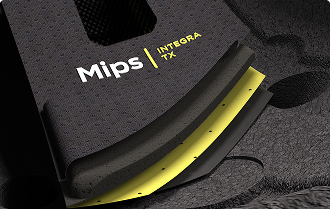
















 TESTED AT ~75 MPH