 Riders Preferred Membership
 Log In
 Shop by Vehicle
 Track Order
 Contact Us
Maybe it was the snow piling up outside my door or the negative wind chill that takes your breath away, but this winter I found myself browsing the ads and spec sheets for new bikes more than usual. Cabin fever had set in, and with it came a kind of reflection I wasn't expecting.
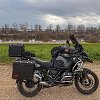
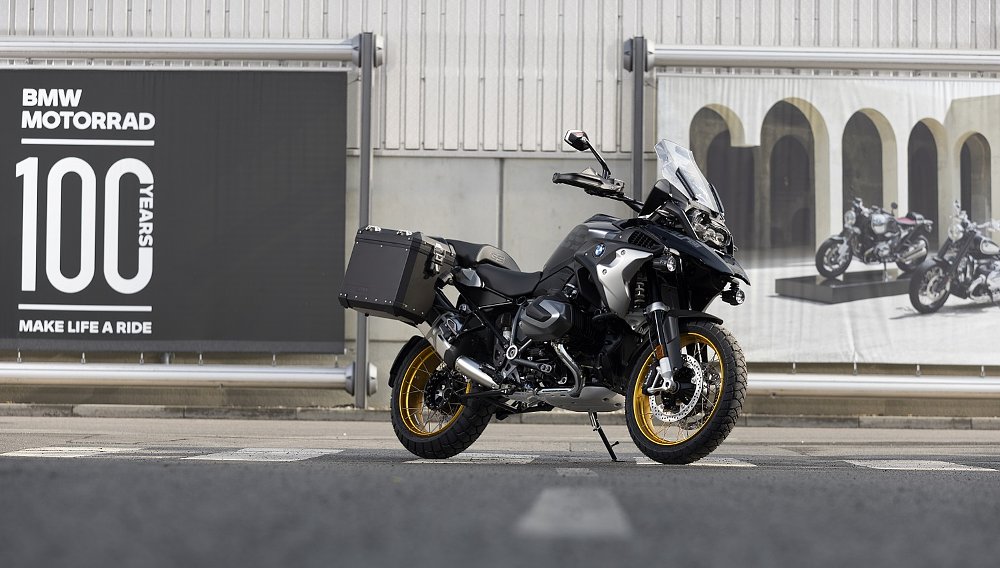
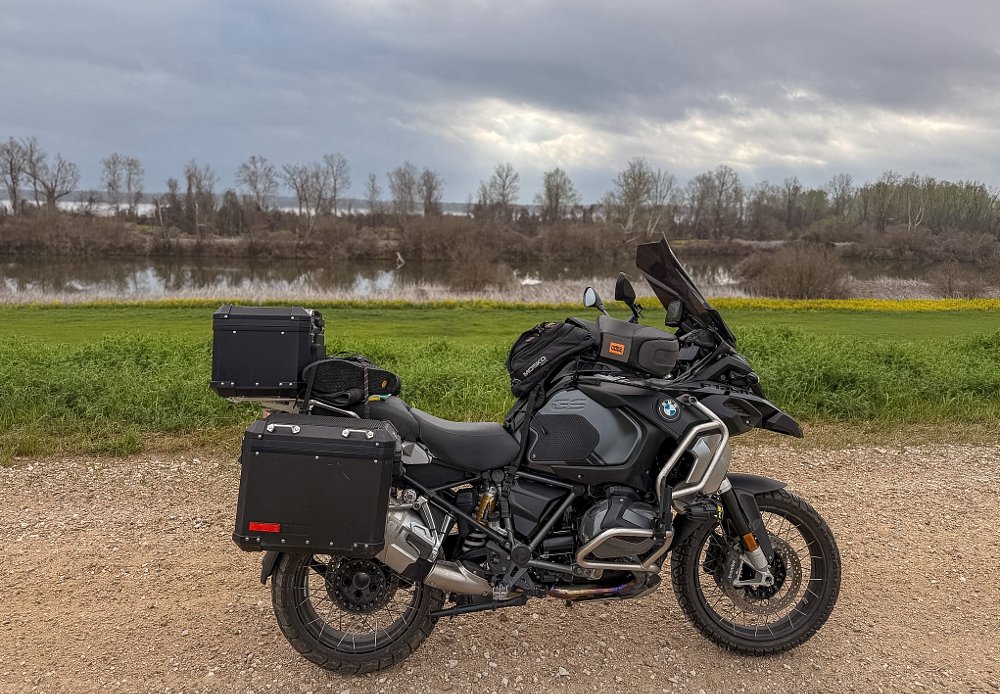
Over the last few years, my desire to exchange my ADV bike for something more sport-touring oriented has been growing. I wrestled with the idea of giving up what many consider the perfect all-around machine, my BMW R 1250 GSA. I've seen a lot of the East Coast, Midwest, and Eastern Canada on that bike. It has done everything I've ever asked of it and more. For the longest time, the GSA felt like the perfect bike for the kind of riding I thought I wanted to do. And yet, the urge for something new kept gnawing at me.
I tried to scratch the itch by adding other bikes to the garage. Machines that leaned a little more toward sport and/or touring. As I gazed out the window at a blanket of snow, I thought back on each of them and couldn't help but feel they were all just steps leading me to an inevitable destination.
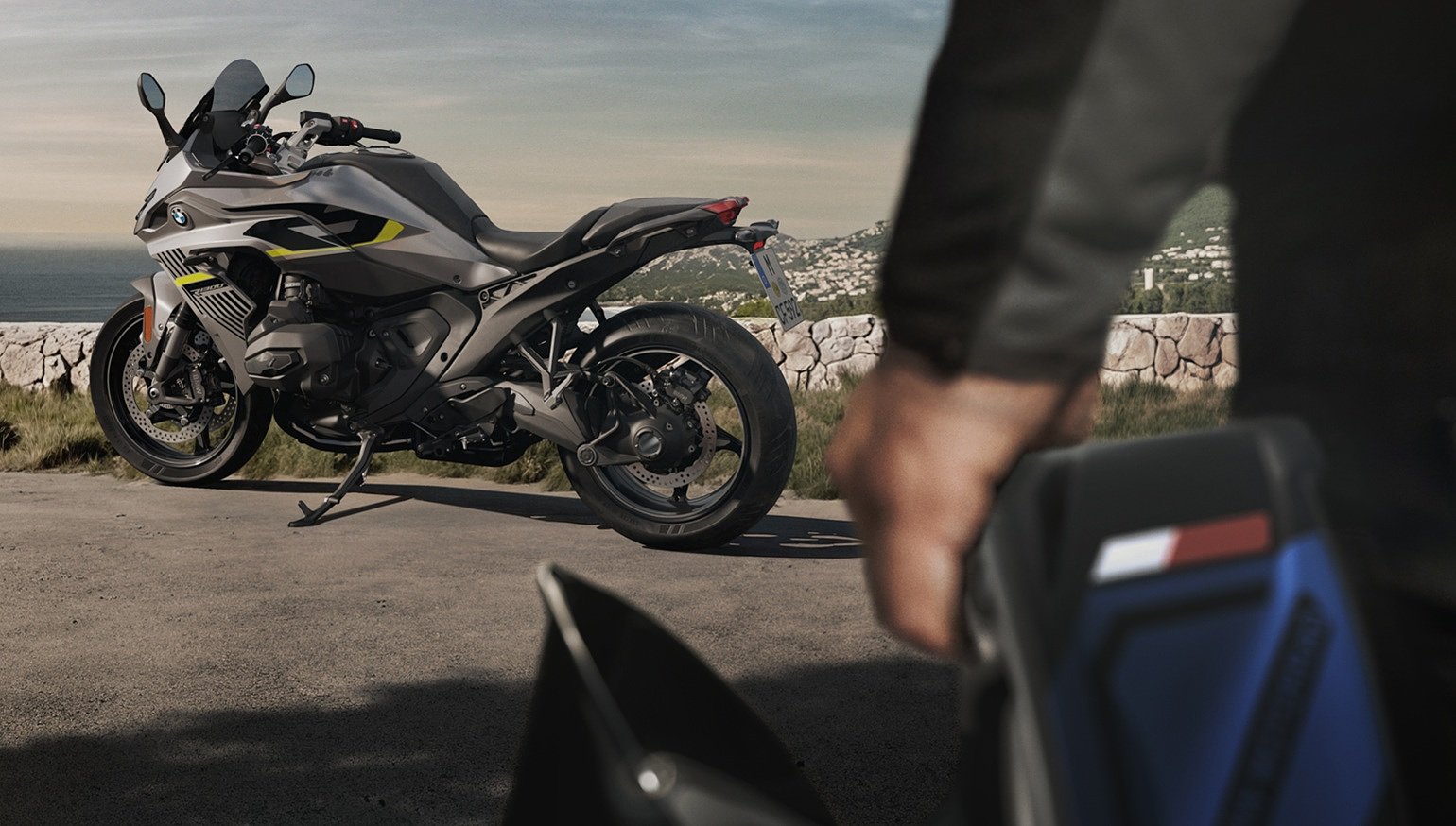
When BMW announced the R 1300 RT and R 1300 RS, I knew one of them would eventually find its way into my garage, if only to take a "break" from GS ownership for a few years. I was naturally drawn to the RS, but having owned two RT models already, an R80 and an R 1100, the idea of a modern RT wasn't out of the question. On paper, the RS looked sharper and more aggressive, while the RT seemed visually closer than ever to a true sport tourer — especially without the top case.
But if I've learned anything over the years, it's that press photos don't tell the whole story.
That proved true again with the R 1300 lineup. The RT is a stunning machine, but it's also a substantial one, and weight was a major factor in what I wanted next. As Lance Oliver noted in his review, the BMW R 1300 RT is an ultra-capable, tech-heavy tourer that prioritizes comfort and features above all else, setting a high bar for long-distance riding.
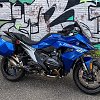
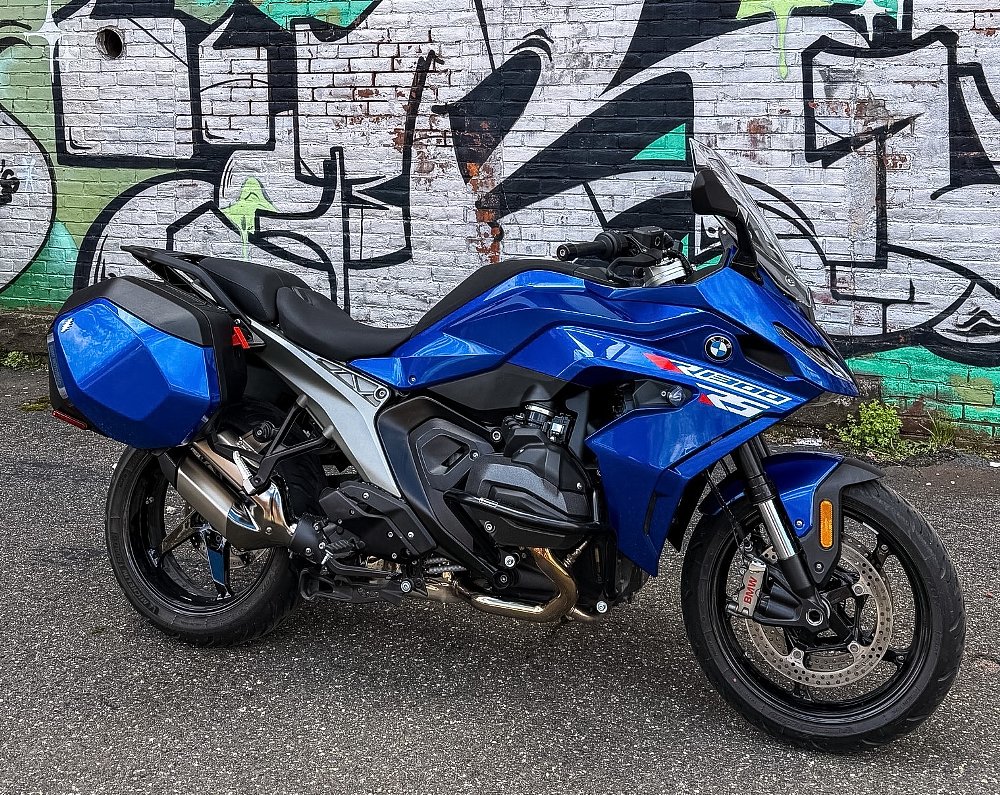
It wasn't until the 2026 R 1300 RS showed up on the showroom floor that something clicked. A rush of excitement came flooding back. The lines, the proportions, the way everything worked in contrast — it just felt right. And in Racing Blue Metallic, with color-matched bags, it had a presence that stopped me in my tracks. I hadn't felt that kind of pull toward a modern BMW in a long time.
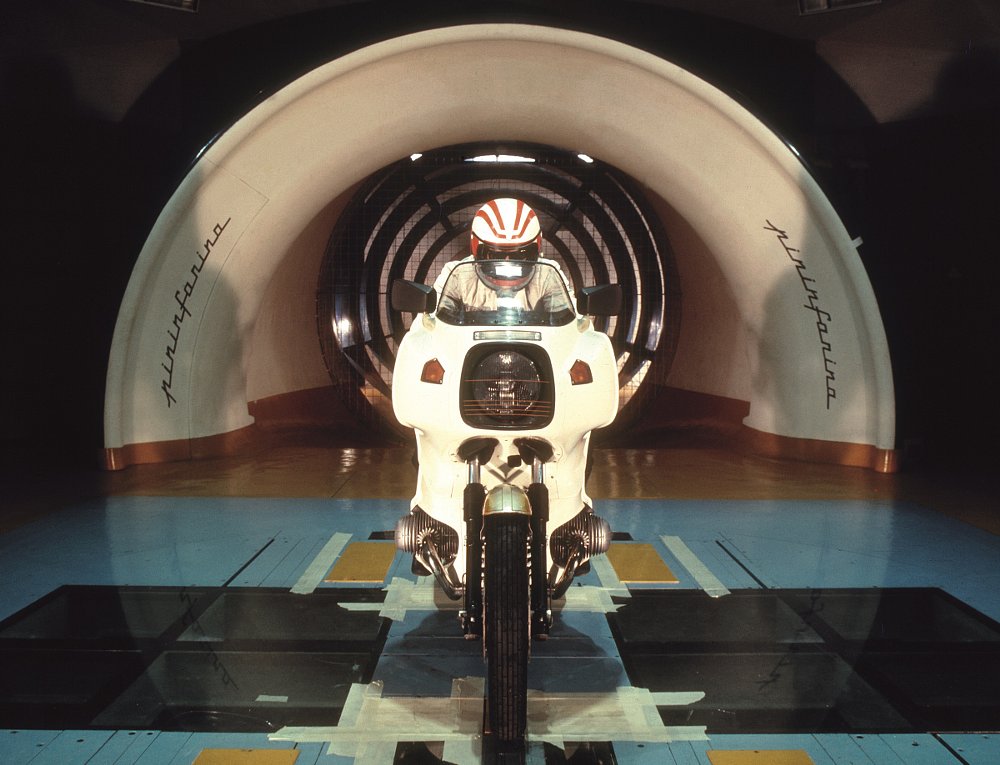
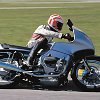
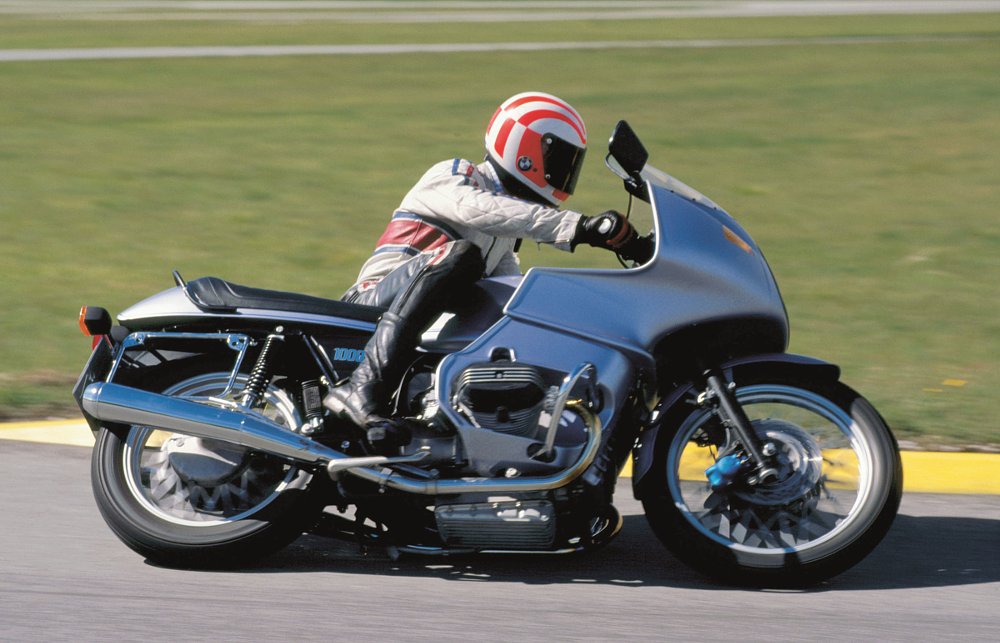
This feeling wasn't happening in isolation, either. It was 50 years ago that BMW introduced the original 1976 R 100 RS, a bike that helped define the sport-touring category and set the foundation for what the RS badge represents today. The R1300RS I was looking at in the showroom wasn't just another new model, but the latest evolution of a long-standing idea: travel and sport — or, as the Germans say, reise und sport — blended into one machine.
I've owned plenty of bikes that looked good. But this was different. This was the kind that makes you look back over your shoulder before closing the garage door, just to take it in one more time. It's a small thing, but it matters. As I stood back and stared at the RS, I started to realize this wasn't about what the GS could do anymore, it was about what I actually wanted to do.
And that's where things start to get complicated.
Making a mistake or just being honest with myself?
It's complicated because as much as the RS stirs something new in me, there was still a part of me that looked back at the GS and wondered if I was making a mistake. Not because it's more exciting, but because it has never let me down. The GS is the kind of bike that removes limitations before you even have the chance to consider them. Bad road? Doesn't matter. Long day? It'll handle it. Last-minute change of plans? That's what it was built for.
For the longest time, I think I confused capability for necessity.
Somewhere along the way, the idea of what the GS could do started to outweigh what I was actually asking it to do. Dirt road adventures became less frequent. My trips became more defined. The wandering became a little less aimless. The reality is, my riding had settled into something far more intentional than the image I had in my head when I first swung a leg over that bike.
And yet, I held onto the GS because giving it up felt like closing the door on a version of riding I wasn't quite ready to admit I had already moved on from, even if only temporarily.
That's harder to reconcile than any spec sheet or riding position.
Choosing the RS wasn't just about choosing a different motorcycle. It was about being honest about the kind of riding I'm actually doing now. Less "what if," more "what is." Less about preparing for every possible scenario, and more about refining the ones I keep coming back to: the roads I know, the pace I enjoy, the feeling I chase when everything just clicks for a few miles at a time.
And, if I'm honest, that feeling has more in common with what the RS promises than anything I've been asking of the GS lately.
That realization became clear within the first 20 miles on the RS.
The sportier riding position was not unfamiliar to me, but the idea of it becoming my everyday position was almost startling. Years of GS ownership had ingrained a certain posture, a certain rhythm. But as the miles passed, something shifted. The new rider triangle didn't feel like a compromise, it started to feel natural. Familiar in a different way. Like something I didn't realize I had been missing.
The difference in wind protection was immediately noticeable, too. The GS had become my winter bike and long-distance companion largely because it kept me warm and protected, helped along by a few well-placed modifications over the years. The RS doesn't offer that same coverage, but it doesn't need to. With a simple adjustment of the windscreen, it finds its balance. The way it slices through the wind, clean and composed, it almost makes you forget what you're giving up.
Then there's the new motor — the most refined and powerful boxer ever fitted to an RS.
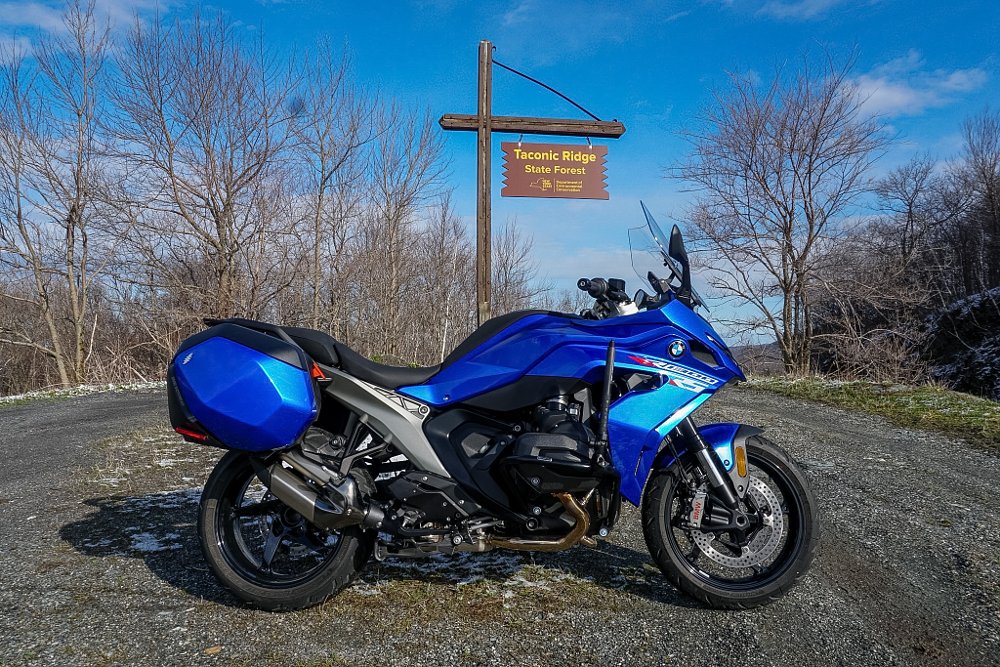
I've ridden nearly every variation of BMW's boxer over the last 40 years, and each generation brings a little more refinement. The R 1300 is no exception. It's smooth, responsive, always ready. I've always believed the mark of a great motorcycle is one that takes you for the ride. The RS challenges that idea. It doesn't just take you for a ride — it makes you feel like you are the ride. The connection happens quickly, almost unexpectedly. Where the GS always told me I could go anywhere, the RS tells me I can get there faster, cleaner, and better.
Changing things up is how we grow and find our way back to what really matters. Moving to the RS wasn't a departure from GS ownership, it was a recalibration.
With time, the importance of staying engaged and maintaining perspective only becomes more clear. Every ride carries on that same quiet conversation, shaped somewhere between winter restlessness and the stillness of reflection.
Maybe it wasn't so much that I needed a different motorcycle. Maybe I just needed to be honest about the kind of riding I wanted to do next.
Image Gallery