Riders Preferred Membership
 Log In
 Shop by Vehicle
 Track Order
 Contact Us

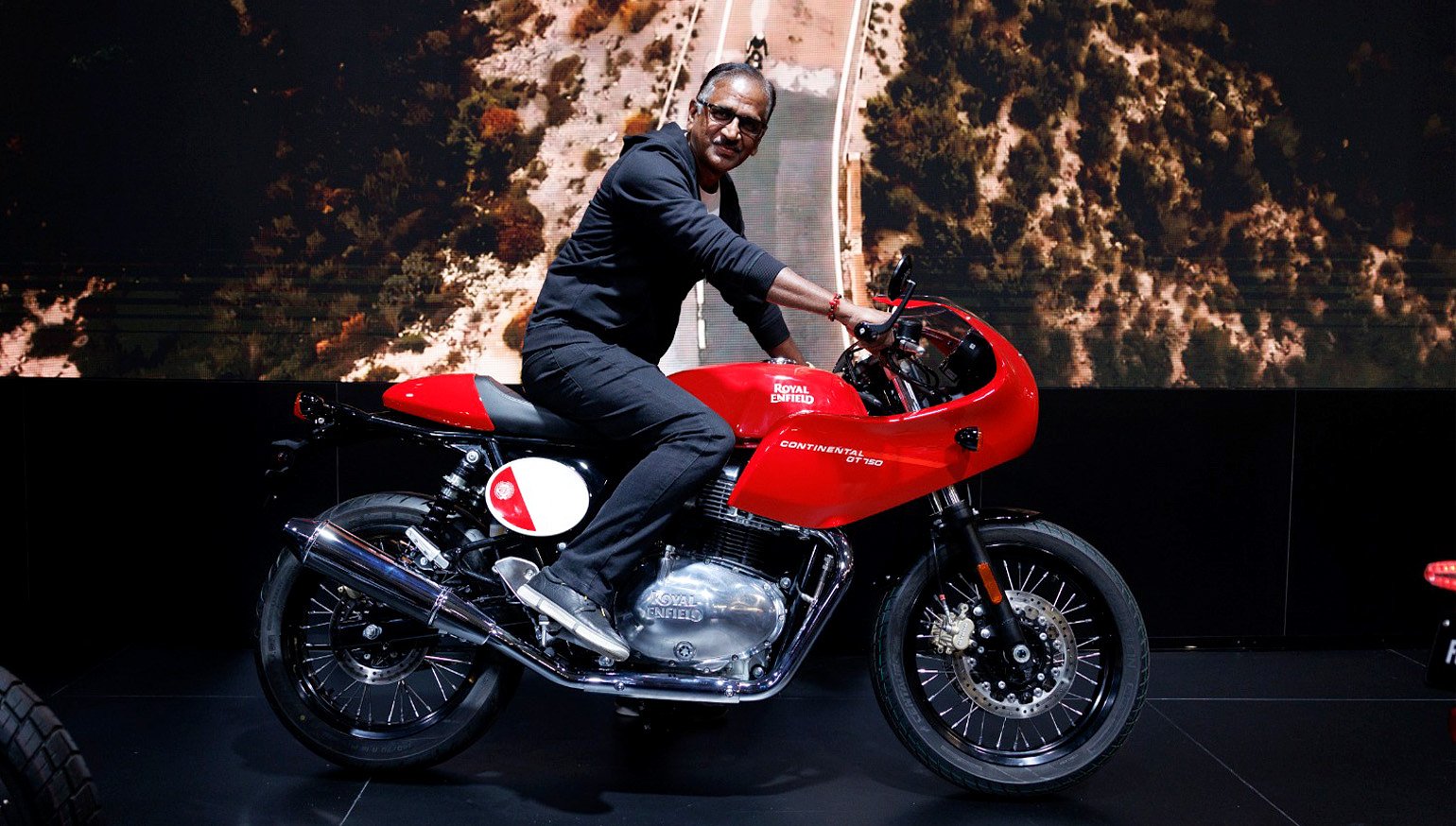
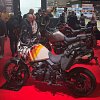
My back presses against the wall. Pushing past me are industry movers and shakers — be they three-piece-suited or leather-jacketed. I’m stationed in a narrow corridor of Royal Enfield’s EICMA booth, but it feels more like the standing-room section of a crowded concert hall.
Moments earlier, the Indian manufacturer pulled the covers off its new flagship model: the Himalayan 750. Its arrival was backed by a bass-heavy soundtrack, a cacophony of shutter clicks, and the collective ooh-ing and ah-ing of the crowd. The middleweight ADV isn’t just Enfield’s largest motorcycle to date, it’s also its most technologically advanced. More importantly, the Himalayan 750 is RE’s latest appeal to the global audience.
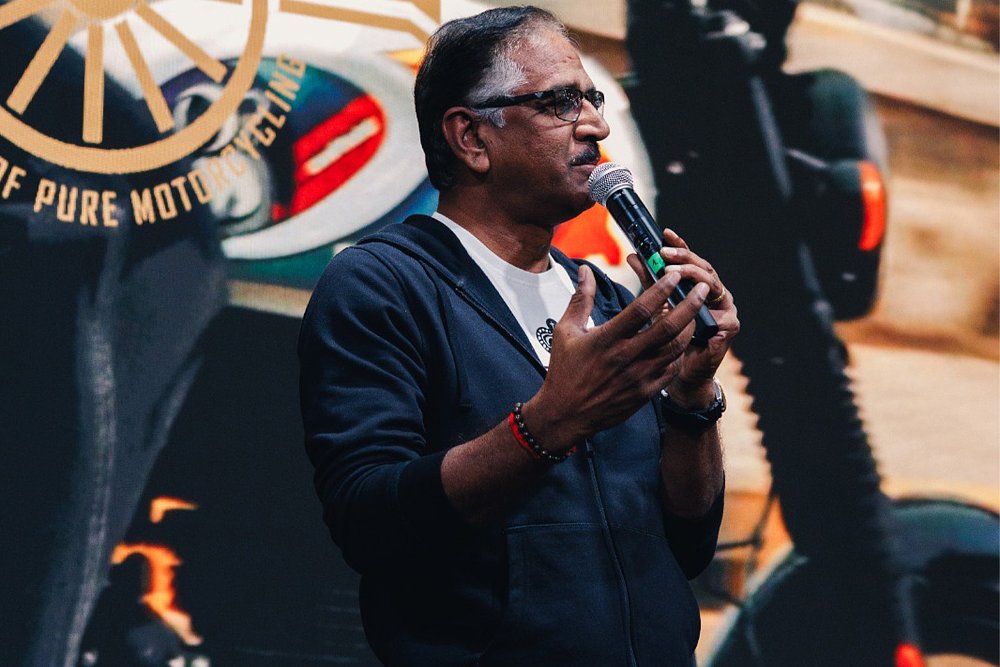
But Enfield’s domestic and international buyers don’t typically consume the same types of motorcycles. How the Chennai-headquartered OEM balances those two distinct, and sometimes competing, commercial environments is key to its future success. That’s why I’m crammed into this claustrophobic corridor, waiting to discuss that very subject with Royal Enfield CEO B. Govindarajan. His responses were as candid as they were revealing.
Common Tread: The Indian market still represents the vast majority of Royal Enfield's annual sales. How does the brand serve its domestic base while also manufacturing models that attract customers in Europe and the Americas?
B. Govindarajan: In our product strategy, we always look at the global market. We try to understand what exactly the consumer wants across the globe. We keep looking for white spaces where people want a different kind of an experience. We have three platforms, which is the 350 cc, 450 cc, and 650/750 cc. When we were conceiving the ideas of the platform, we said, "OK, how will it work in India? How will it work in the U.S.? How will it work in Latin America? How will it work in Southeast Asia, whichever market we have?"
[Royal Enfield] has been in India for a longer period of time, and by far that is [our] highest motorcycle-consuming market. Even now, in India, we are niche. We are not so big. In the entire market share, we are only about 8 to 9%. [Around] 2010 to 2011, we had an option of looking at what sort of a motorcycle we have to make in future. We decided that we will focus on only middleweights. The middleweight definition at the point of time we arrived at was 250 cc to 750 cc.
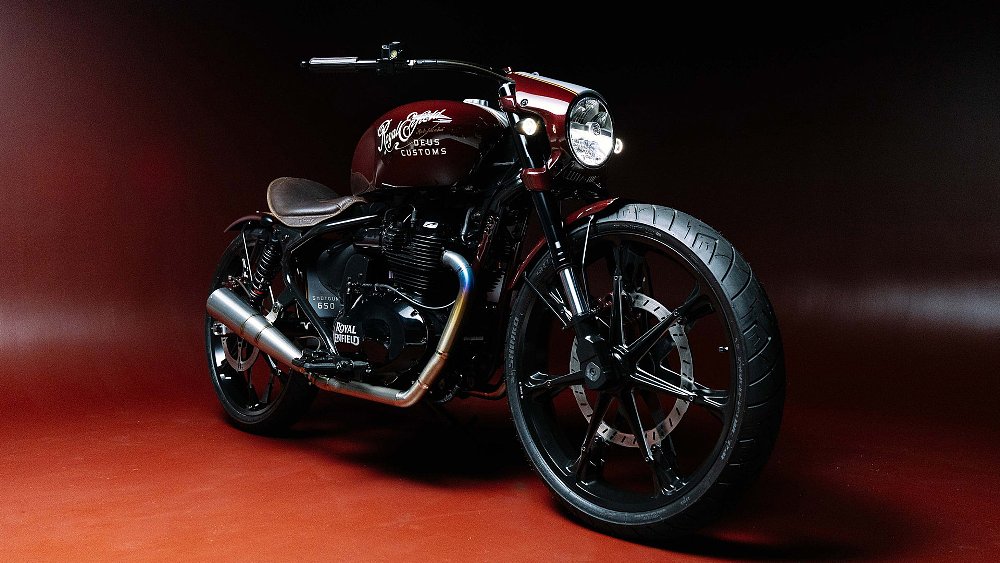
We focused on 350 cc first because that's what we felt, in India, people are looking for. And currently we [sell] about a million motorcycles in India. For the international markets, some of the products were not highway-worthy. So we conceived the P platform (650 Twins) for international markets. Maybe it'll be a lag for the India market because the India market hasn't grown like that. So our domestic market is still there in the smaller-size vehicles.
We are a global company. We actually go to the consumers, we want to immerse ourselves into the cultural nuances of the consumers of that particular country and be very near to them. That's why we built our own team in all the markets so that they understand their inputs are taken in whenever we conceive a product, and that's how we build it as a global brand.
CT: In September, Royal Enfield revived the original Himalayan as a response to popular demand. The lineup now includes both the liquid-cooled Himalayan 450 and the air-cooled Himalayan 440. Does RE consider these two models aimed at different markets? Will the old Himalayan come back to the United States? Will Enfield offer different lineups in different countries as it develops more advanced products?
BGR: As an organization, we'll never say never to anything. And we'll always evaluate if the customer loves it, and if they say, "Whoa, I can relate to this motorcycle, and I need a particular kind of an experience which only this motorcycle can give — will I get it?" Because we listen to the community, we will be open to [the feedback].
Now what happens is there's love for something which is sticking to the hearts of people. And they all felt that the form factor of [the] 411, which is more analog, and everybody felt that that's the motorcycle which [they] really want. That's what the community was telling us continuously. So we thought we'll bring [back the] OG Himalayan. We launched it in India. It got sold out in about 15, 16 days for the next six months. So, one answer is: For the next six months, I don't have a capacity for any [other] markets.
You know, maybe other companies may not do [that], but Royal Enfield will do all these things because, for us, the customer comes first. We don't have egos to say, "We will do this, we will not do this." What is right for the customer, [what] the customer says that it is, we listen to them, and if it fits into our brand philosophy of delivering pure motorcycling, we'll be more than happy to do that for them.
CT: The Himalayan 750 is the first Royal Enfield offering custom ride modes, IMU-aided traction control, and cornering ABS. What is the company's philosophy around technology?
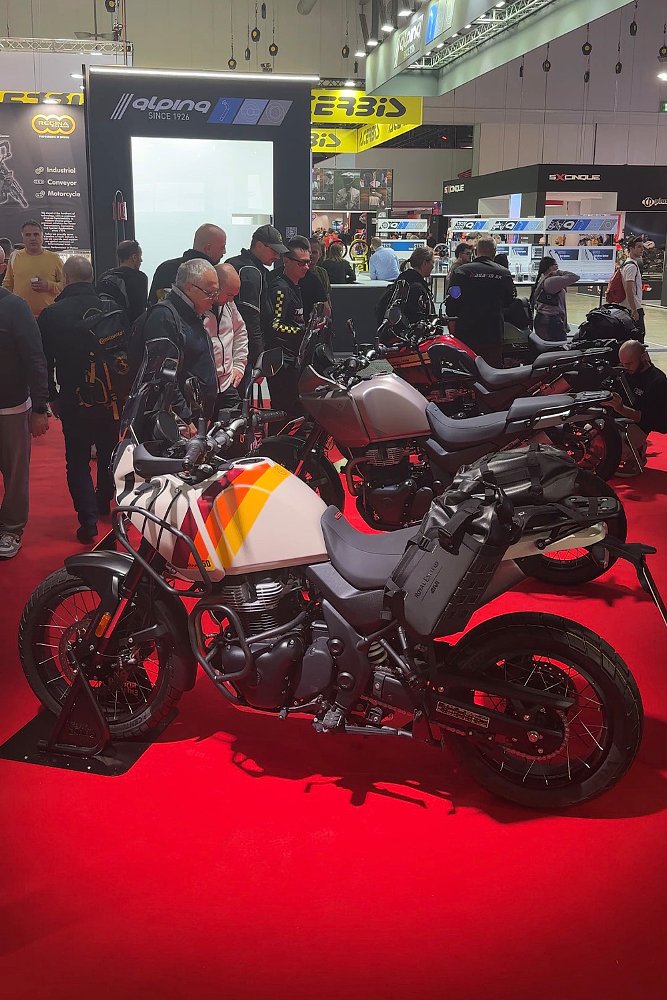
BGR: Our fundamental philosophy is [not to] add any technology for the sake of adding technology. We call it relevant technology. We will add only the relevant technology into the respective motorcycles. We won't add a technology and sell a motorcycle because the technology is available. It will always be around the experience which we want to give [the customer]. That's the core philosophy of Royal Enfield. It is not a technology-driven [company].
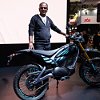
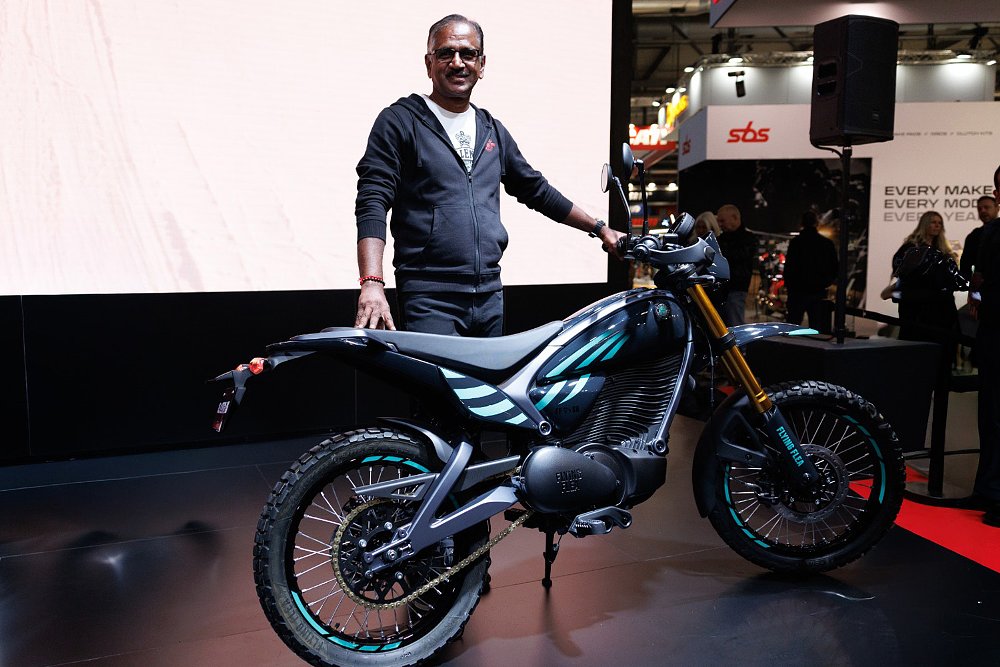
Having said that, that's on the petrol motorcycle side. On the electric motorcycle side, what we are talking about is that it's all about the connected motorcycle. And that connected motorcycle is on the cloud. It's a software-defined vehicle. There, we will [add] cutting-edge technology in every product we are bringing in. That's the distinction which we wanted to bring in between the Royal Enfield and the Flying Flea. Flying Flea will lead the technology. Royal Enfield will adopt technology which is relevant for giving a particular experience to the customers.
CT: In 2016, Royal Enfield North America set out to attract U.S. Millennials with new middleweight models. Do you believe Royal Enfield accomplished that objective? What is your plan to reach the next generation of U.S. riders?
BGR: At some point, the U.S. market was not growing. Unlike others, what we have said is, "No, we are committed to this market. It is an important market for us, and we see a potential in that market. We'll continue to stay invested in the market." Now we are in the process of actually appointing new dealers or upgrading the existing dealers who are evolving. We are preparing what is required for the future. And for that, we have to do a lot of work.
How do we reach out to the young customers? We are doing it. How do we do the entire customer journey the digital way? We are spending a lot of energy around that. That's equally important. And Flying Flea will also be there in the shorter window in the U.S., so we are in for the long game. We are not looking at anything short-term. We will build the brand over the period of time, but we are committed to the U.S. market.
CT: Where do you see Royal Enfield in the U.S. market in the next 10 years? What is your vision for the brand as it continues to cater to a global audience?
BGR: We would like to be the market leader in the middleweight [category]. That's the number one [goal]. Even in India, it took a decade for us to grow the segment. And that's why we moved from 45,000 per annum to almost a million motorcycles per annum. But the market is also huge. And in the United States, when the economy is stable, and with the kind of work which we are doing now, we should be the market leader [in] middleweights.
And we will continue to bring in new products. And we will continue to spread the joy of motorcycling even in the U.S. We have our [Flying Flea] electric, [and] all the new products which are going to come. So our focus will continue to be the pure motorcycling delivery to the consumers. So if I have to tell you, we should be the market leader in the middleweight [segment] in the time to come.
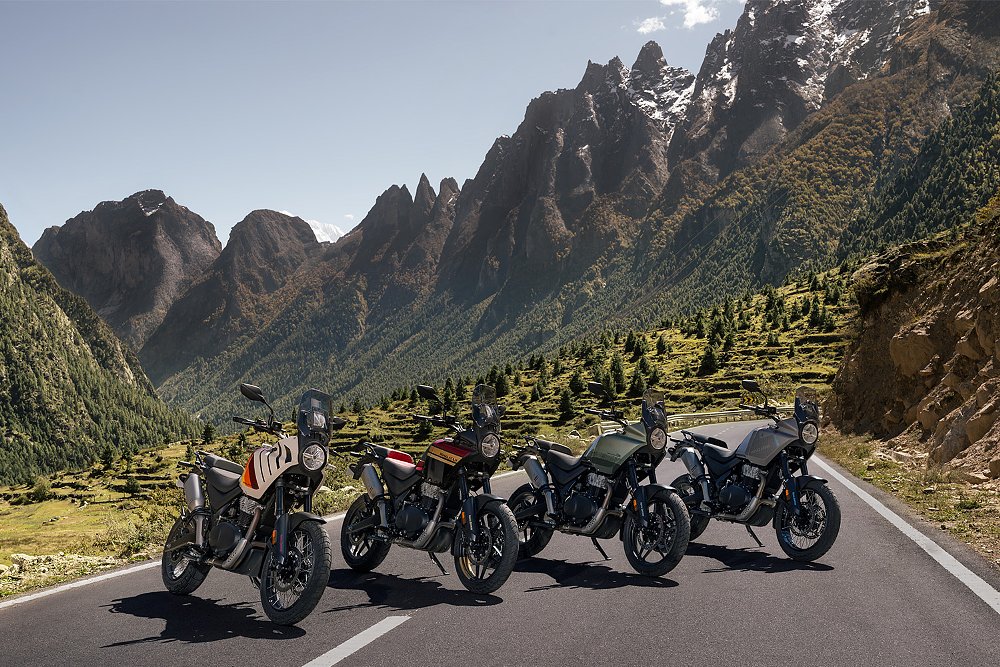
Shortly before BGR delivered the final fragments of his answer, my allotted time concluded. Pleasantries were exchanged before I rejoined the bustling hive of Royal Enfield’s EICMA installment. The interest in the brand is difficult to ignore. RE’s commitment to the U.S. market is just as difficult to ignore. Whether or not that investment pays off has yet to be determined. What’s indisputable is that the tech-laden Himalayan 750 is the latest installment in that investment.
Image Gallery