 Riders Preferred Membership
 Log In
 Shop by Vehicle
 Track Order
 Contact Us
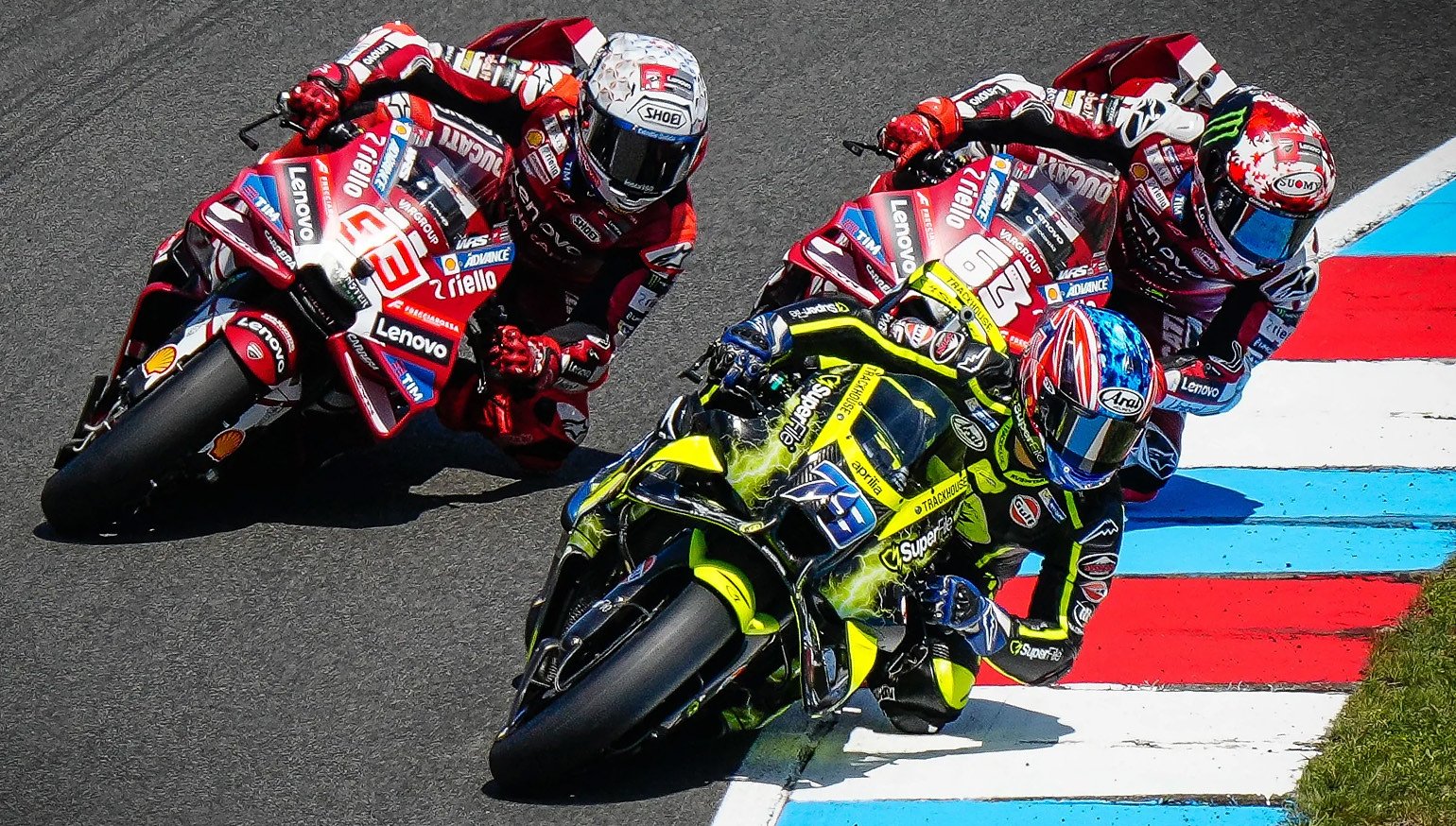
2027 will bring radical reforms to the MotoGP paddock.
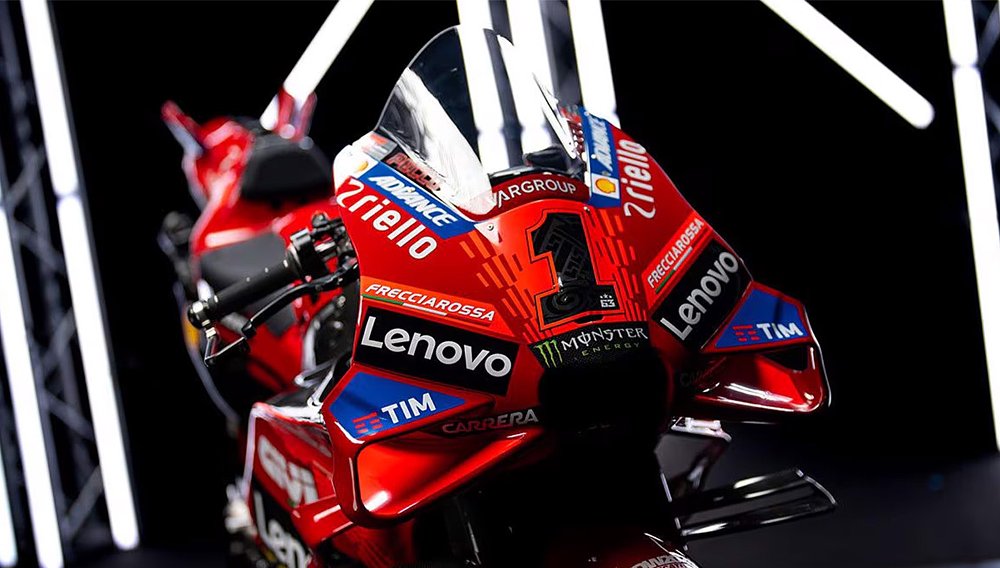
Engines will drop from 1,000 cc to 850 cc. Aerodynamic bodywork will be heavily regulated. Holeshot and ride-height devices: banned. The new technical regulations aren’t the only changes to come. Far from it, actually.
If the 2026 season is any indication, change is the only constant in MotoGP.
Anyone’s race
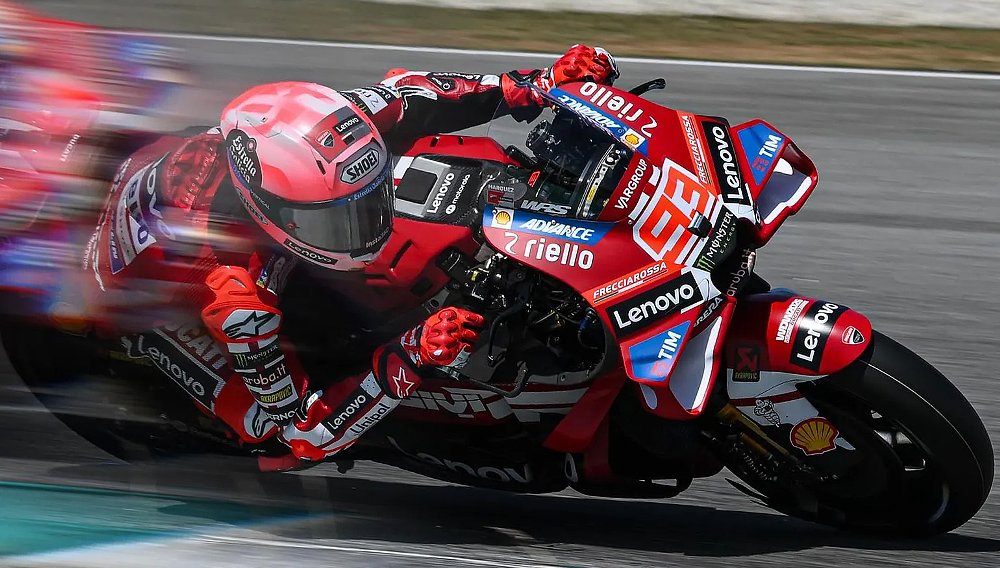
Going into the season opener, Marc Márquez was the decided title favorite — and rightfully so. The reigning champ crushed the competition in 2025, capturing the MotoGP crown with five races to spare. Granted, Márquez was coming off a season-ending injury, but few expected the field to challenge the might of the seven-time MotoGP champ. Aprilia did just that.
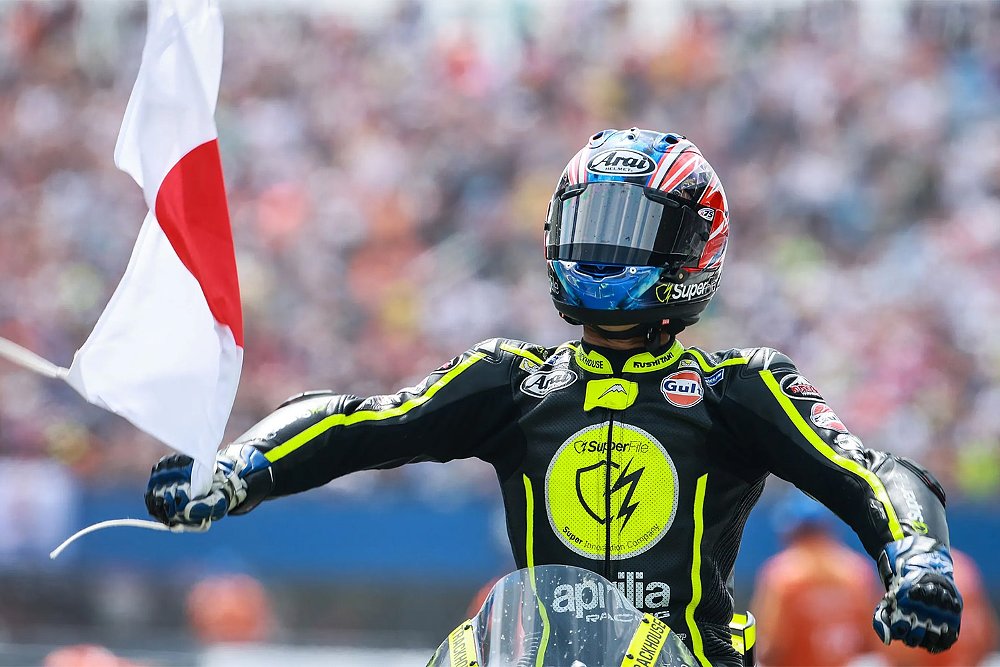
The Noale Factory’s Marco Bezzecchi didn’t just win the first three races; he did so in convincing fashion, breaking the record for most consecutive laps led in the process. Bezzecchi’s position at the top of the Riders' Standings was only strengthened when Marc Márquez suffered another injury after a highside in the Sprint Race of the French Grand Prix. Many counted the number 93 out of the championship chase at that point. Boy, did he show them.
As the field steadily gained ground on Bezzecchi, Márquez didn’t just return to health, he returned to form, winning back-to-back races in Hungary and Czechia. Those performances also pulled him within striking distance of the championship leaders. Only after weeks of disappointing results, including a high-speed lowside at the Dutch Grand Prix, did Bezzecchi relinquish his title lead to Aprilia teammate Jorge Martín.
With the series nearing the mid-point of the 2026 schedule, just 63 points separate the top eight riders. The competition is stiff, but with factory and satellite squads finalizing their 2027 lineups, there’s just as much action off the track. That’s because a swath of riders are switching teams by year’s end.
With the series nearing the mid-point of the 2026 schedule, factory and satellite squads are finalizing their 2027 lineups. That’s explains why so many riders are on the move.
The rider carousel
MotoGP’s silly season started early in 2026. Very early, in fact. Back in January, rumors of Yamaha Factory rider Fabio Quartararo jumping ship for HRC Honda were already making the rounds. Yamaha only confirmed that it will part ways with the Frenchman last week. His teammate Álex Rins will vacate his seat, as well. Taking their place will be 2024 MotoGP champion Jorge Martín and Trackhouse Aprilia’s Ai Ogura.
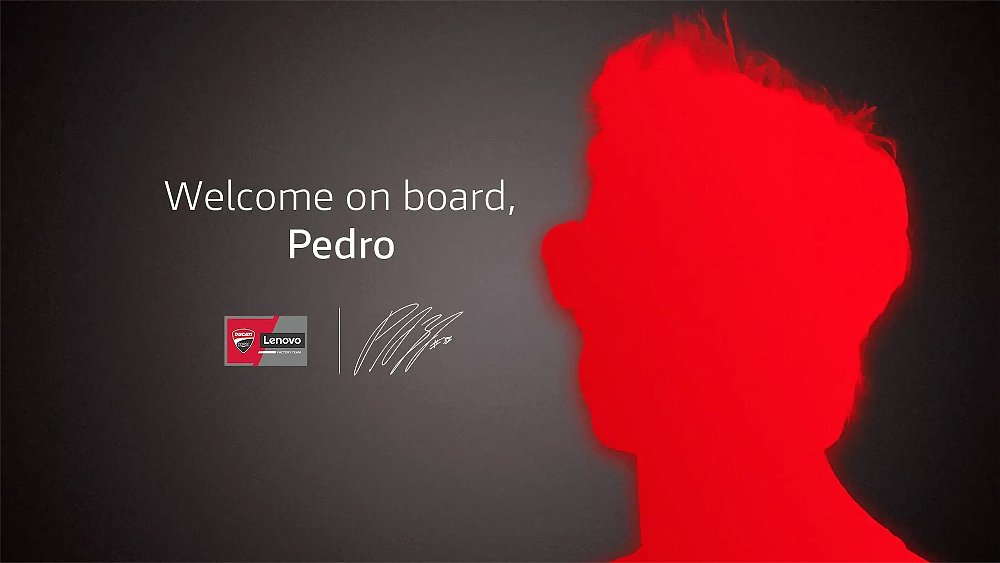
The void left by Martín in the Factory Aprilia team will be filled by two-time MotoGP titleholder and current Factory Ducati rider Pecco Bagnaia. Claiming the vacancy at Ducati is Pedro Acosta, who has regularly outperformed the other riders on KTM machinery over his first 59 MotoGP races. The move sets up a direct rivalry with future teammate and seven-time MotoGP champ Marc Márquez. Thus far, silly season has been a game of musical chairs — a game that stands to impact almost every MotoGP seat.
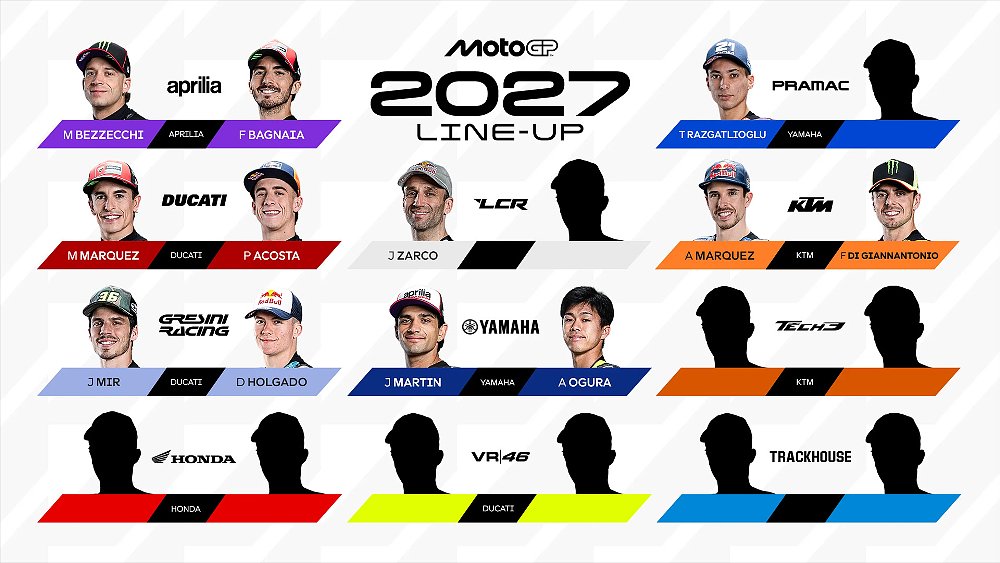
HRC Honda’s Joan Mir signed with Gresini Ducati. So too did Moto2 standout Dani Holgado. VR46 Ducati’s Fabio Di Giannantonio and Gresini Ducati’s Alex Márquez have been confirmed at Red Bull KTM. Still, the rumor mill grinds on. Bulega to VR46? Bastianini to Trackhouse? While ties between Honda and Quartararo were previously reported, no official announcement has followed.
More signings are on the horizon. They’re inevitable. That’s to say, more change is on the horizon, too. The changes aren't limited to the 2027 season, either.
Closer than ever
During the Dutch Grand Prix round, MotoGP announced that Yamaha will become the sole motorcycle supplier for the Moto3 World Championship from 2028 to 2033. The single-make class will feature a prototype race bike powered by the Iwata firm’s popular CP2 parallel twin, but neither MotoGP nor Yamaha have specified the race machine’s capacity. Despite keeping that detail under wraps, Team Blue was confident enough to confirm the “first public appearance of the bike during the 2027 MotoGP season.”
The two partners claim that the spec series was “designed around the principles of accessibility, sporting integrity, technical excellence and long-term vision.” Though Yamaha noted that the race platform will be an “extensively re-engineered” version of the CP2, if that doesn’t include reducing the engine’s volume, the three classes could be closer than ever, with 689 cc twins in Moto3, 765 cc triples in Moto2, and 850 cc V-fours in MotoGP.
That’s a long way from the 125 cc, 250 cc, and 500 cc Grand Prix Days. It bears repeating: there are lots of changes in store for MotoGP in 2027 and beyond.
Image Gallery