

 Membership
 Riders Preferred Membership
 Shop by Vehicle
 Track Order
 Contact Us
There's been a fairly seismic transition in motorcycles over the past 20 years.
The popularity of sport bikes, which epitomized the aura of speed and performance that has defined motorcycles since their inception, gradually gave way to trail bikes, specifically the Adventure segment. This is not hearsay; sales statistics reinforce this. The Adventure market blossomed from what was once the domain of a single manufacturer (BMW) into its own unique subculture, with virtually all manufacturers now offering ADV mounts. The essential element of the category is versatility, with machines possessing both on- and off-road capability and delivering comfort without sacrificing performance.
The explosive growth of the Adventure segment reflects a major transformation in the mindset of riders and the motorcycling lifestyle, a generational shift from the sensation of speed toward one of individual experience. A two-wheel platform to get the rider out into life and enjoy the unknowns to be found at the end of a road, paved or not. Michelin brings its own unique dance shoes to the party in the form of their new Anakee Adventure 2 tires.
Formulas, compounds, and tread patterns
Of all the innovation and technology that has come into motorcycling, still the single most important piece of equipment on your motorcycle is the tires. Considering that the combined weight of bike, rider, gear (and perhaps passenger) is riding on just two contact patches, each about the size of a credit card, how a tire performs in that relatively small area is critical to the enjoyment, safety, and longevity of the riding experience. The technology going into rubber compounds and tread patterns to provide grip and feedback on the pavement (wet and dry), as well as traction and durability off, has become a science unto itself. Additionally there is the all-important consideration of long tire life.
Michelin brings over 130 years of motorcycle tire innovation to bear on these concerns with its Anakee line of tires. Comprised of three distinctive models, each has its own delineation of on-road/off-road application in easy-to-understand percentage ratios; the Anakee Road (90/10), Adventure 2 (80/20), and the Wild (50/50). As can be assessed from the numbers, the Road is for riders who expect to do the majority of their riding on pavement, providing some versatility for unexpected rough patches or to tackle a little off-road, should an interesting prospect present itself. The Wild is the other end of the spectrum, intended for the more aggressive off-road rider who is out to tackle rock-strewn washes, rutted single-track, and other inhospitable terrain.
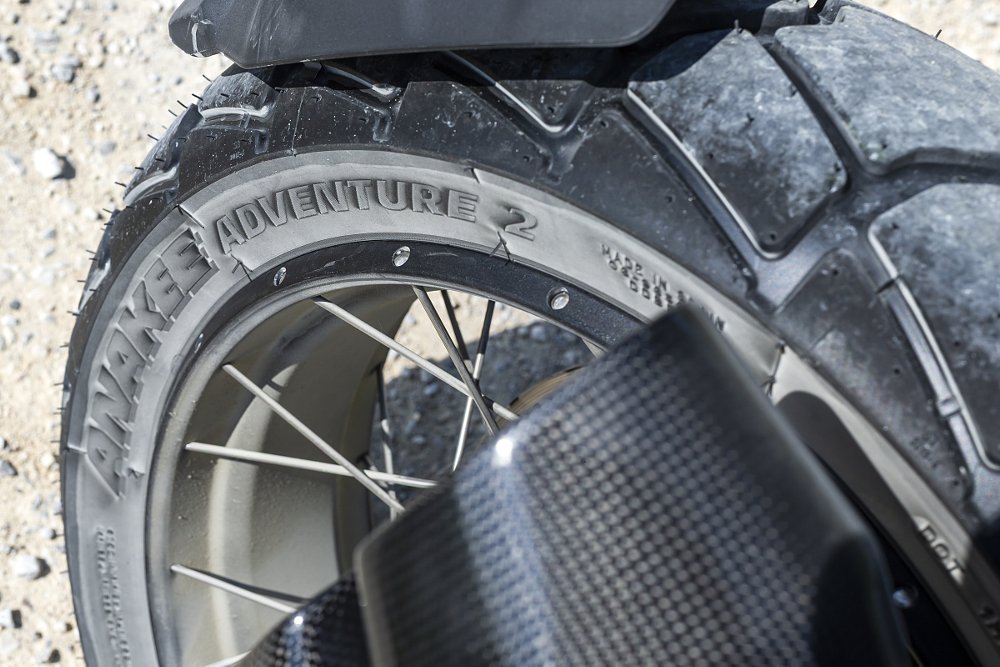
This test features the Anakee Adventure 2 exclusively, as the 80/20 configuration tends to be the most popular choice among Adventure riders. The Adventure 2 is a daily use tire for those who expect the majority of their riding to be on pavement, but who also want and need a tire that can handle light to medium off-road challenges.
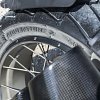
Like chefs in the kitchen, Michelin engineers "cooked" up a mix of different compounds and proven construction processes to arrive at a tire that provides excellent grip in the dry, as well as the wet, with a compliant but sturdy nature. The Adventure 2 uses Michelin's 2CT (dual compound) for endurance and long life at the center, the meat and most used portion of a tire's footprint, while providing good grip on the shoulder when leaned over. The tire utilizes Michelin's Reinforced Radial-X Evo and Aramid Shield construction for a high density, rigid casing.
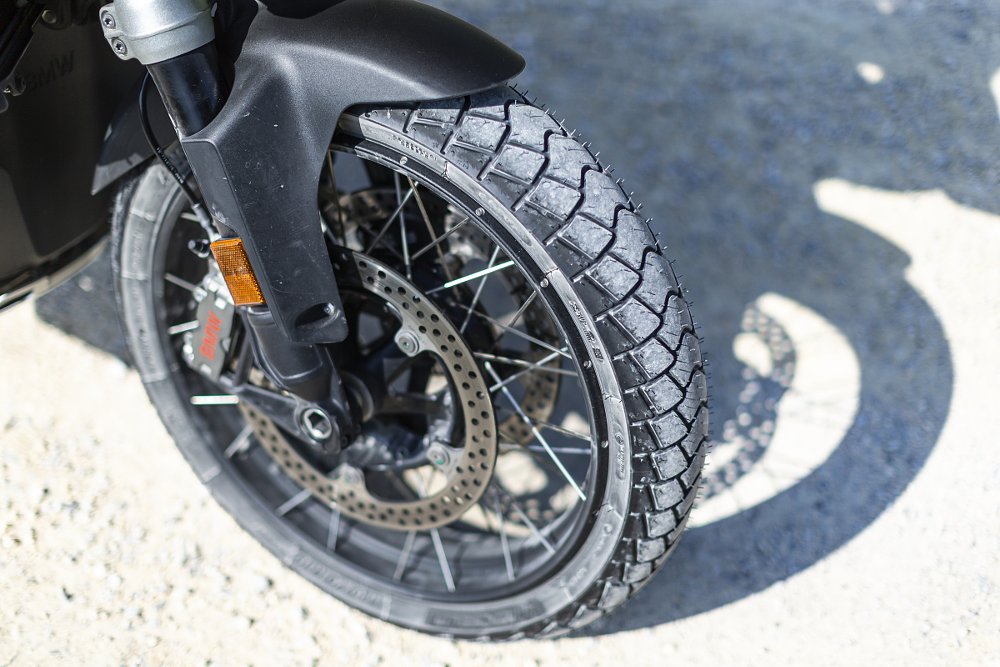
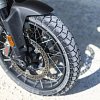
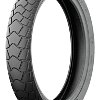
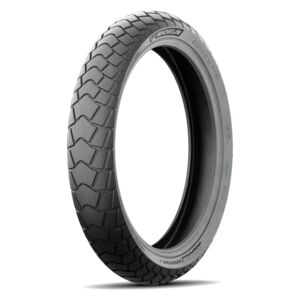
To serve the realms of both road and dirt, the tread pattern design features a smooth central zone to render a comfortable ride, with oblique grooves separating tread blocks for optimum performance in dirt and gravel, and for channeling moisture. Think of the Adventure 2 as a road tire with enough capability off the road to satisfy most riders.
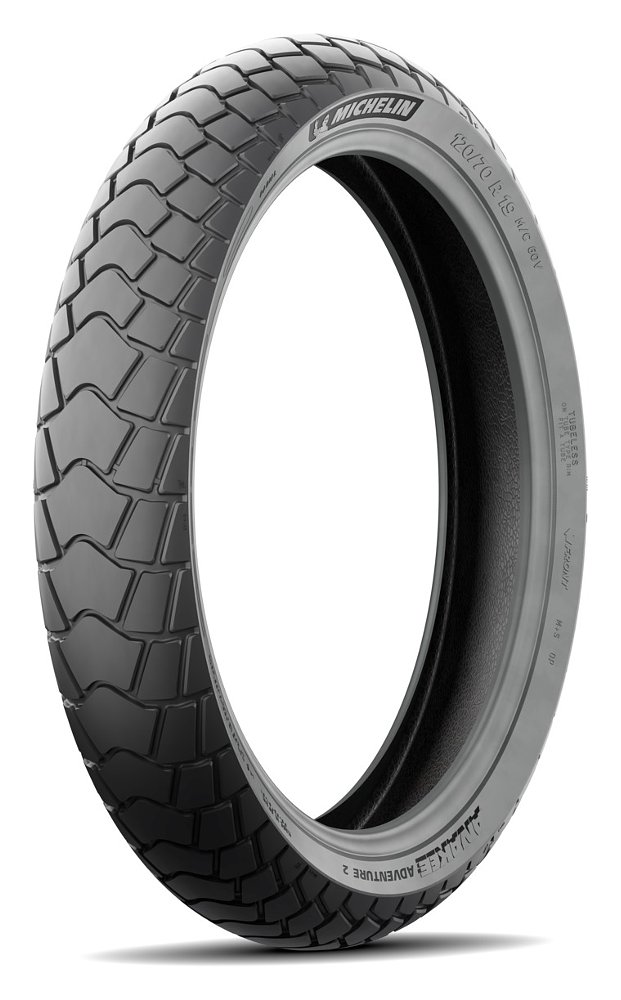
Additionally, the Anakee tires are the first in Michelin's line to use what the company calls "Grip Booster Technology," a new mix of compounds that improve all-around grip on multiple surfaces, wet and dry, with increased mileage.
So how does this work on the road?
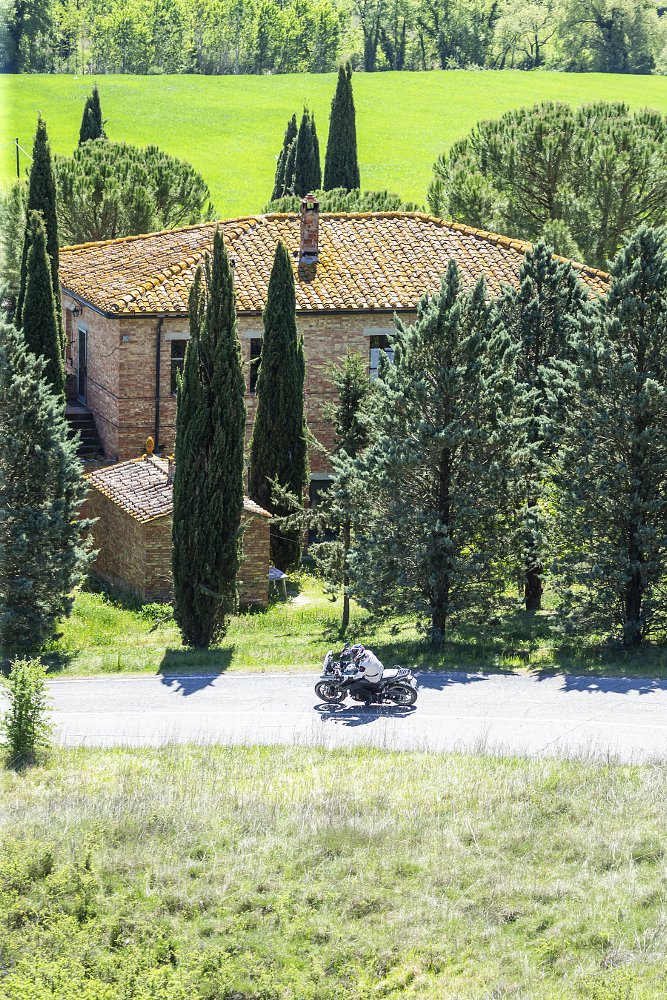
To test the Anakee Adventure 2, Michelin chose Tuscany, the center of Italy's artistic legacy, birthplace of the Italian Renaissance. This "nation within a nation" is renowned for its interlacing strade bianche (white roads), gravel tracks of packed white limestone that wind through undulating green hills, the very essence of Tuscany, connecting rural farms, vineyards, and olive groves. Riding in Tuscany, one passes through villages renowned for their wines; Chianti, Montepulciano, Brunello di Montalcino, and San Gimignano. Tuscany is also home to more than 120 protected nature preserves.
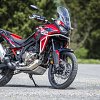
Michelin provided a range of Adventure machines so that the Anakee Adventure 2 could be experienced on bikes of different displacements, varying weights and engine configurations, and different wheel size combinations.
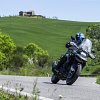
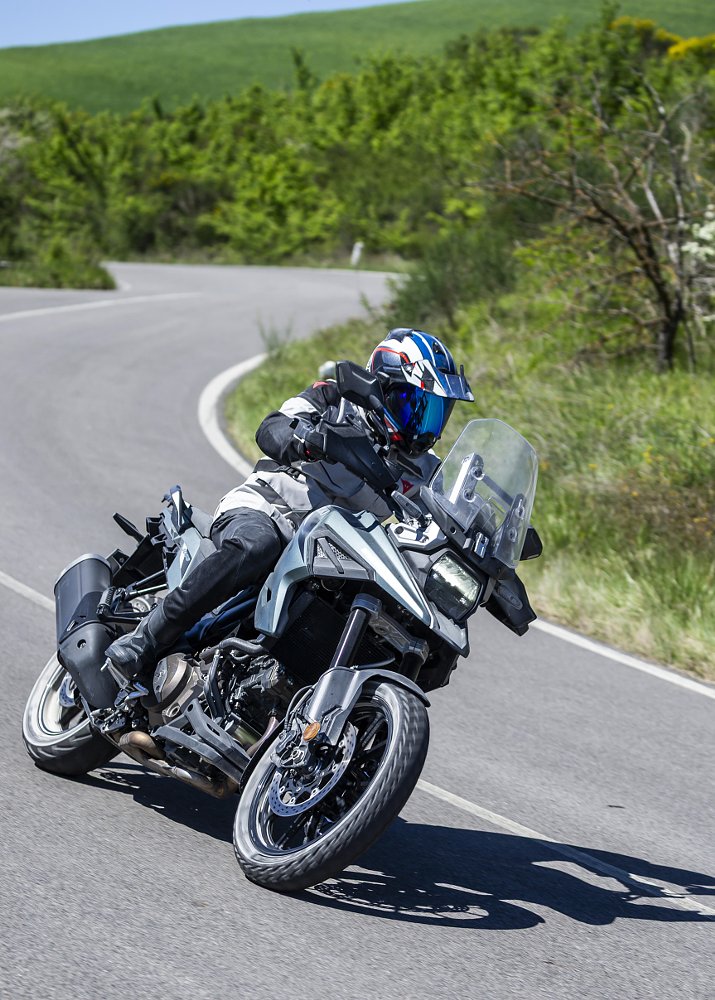
The first portion of the test was on relatively slow, tight, twisty paved roads in sunny, warm conditions. The immediate impression was that the Anakee Adventure behaved more like a dedicated street tire, with smooth, highly efficient response from rider inputs, creating intuitive feel. Lean angle was impressive, side grip infusing confidence, with incredible stability, sans any of the shimmying quirks that can often plague a tire with deep side tread cut.
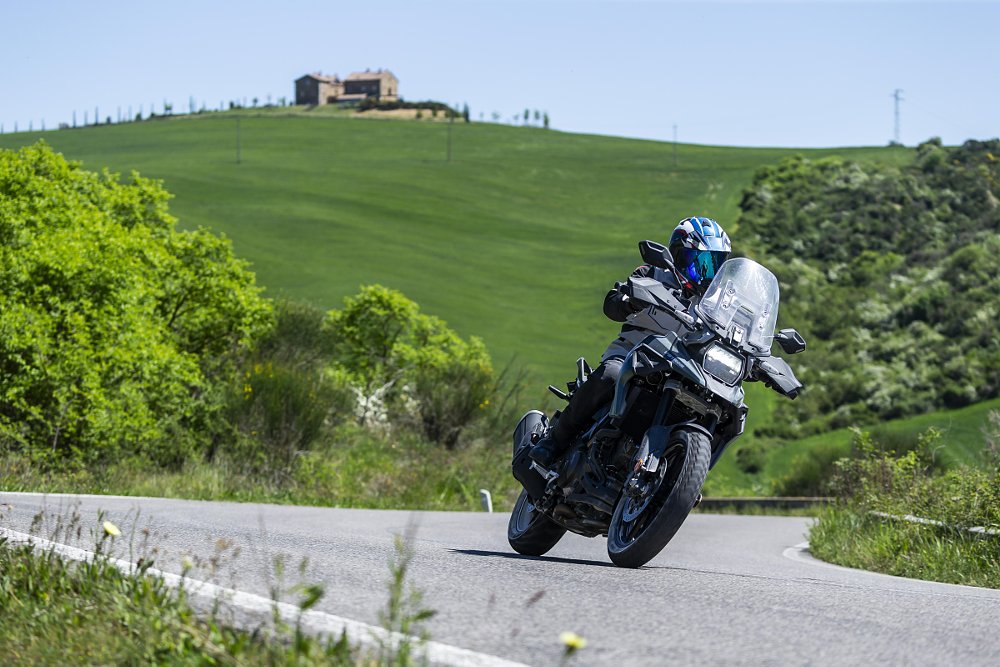
One very impressive aspect of the tire's performance was the absolute lack of vibration at highway speed. No discernable vibration resonating up through the chassis and into the handlebar, which is usually the bane of 80/20 tires. This translates to less fatigue over a long day, or multiple days, of riding. This held true across all the bikes tested. The tire performs exceptionally well under hard straight-line braking, with no sponginess or drift under load, characteristic of a stiff rib, yet is also compliant, acting to absorb road deformations, augmenting suspension with a plushness.
The front tire has pleasantly predictable manners, responding effortlessly to input. On corner turn-in, the tire responds instantly, with excellent feel, as though the rider need just intuit where they want it to go, and it follows. Once the bike is set in the corner the tire feels planted. Exiting corners the throttle could be gotten into hard, with the rear tire tracking smoothly, without any jitters, getting the power to the ground with predictable behavior.
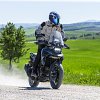
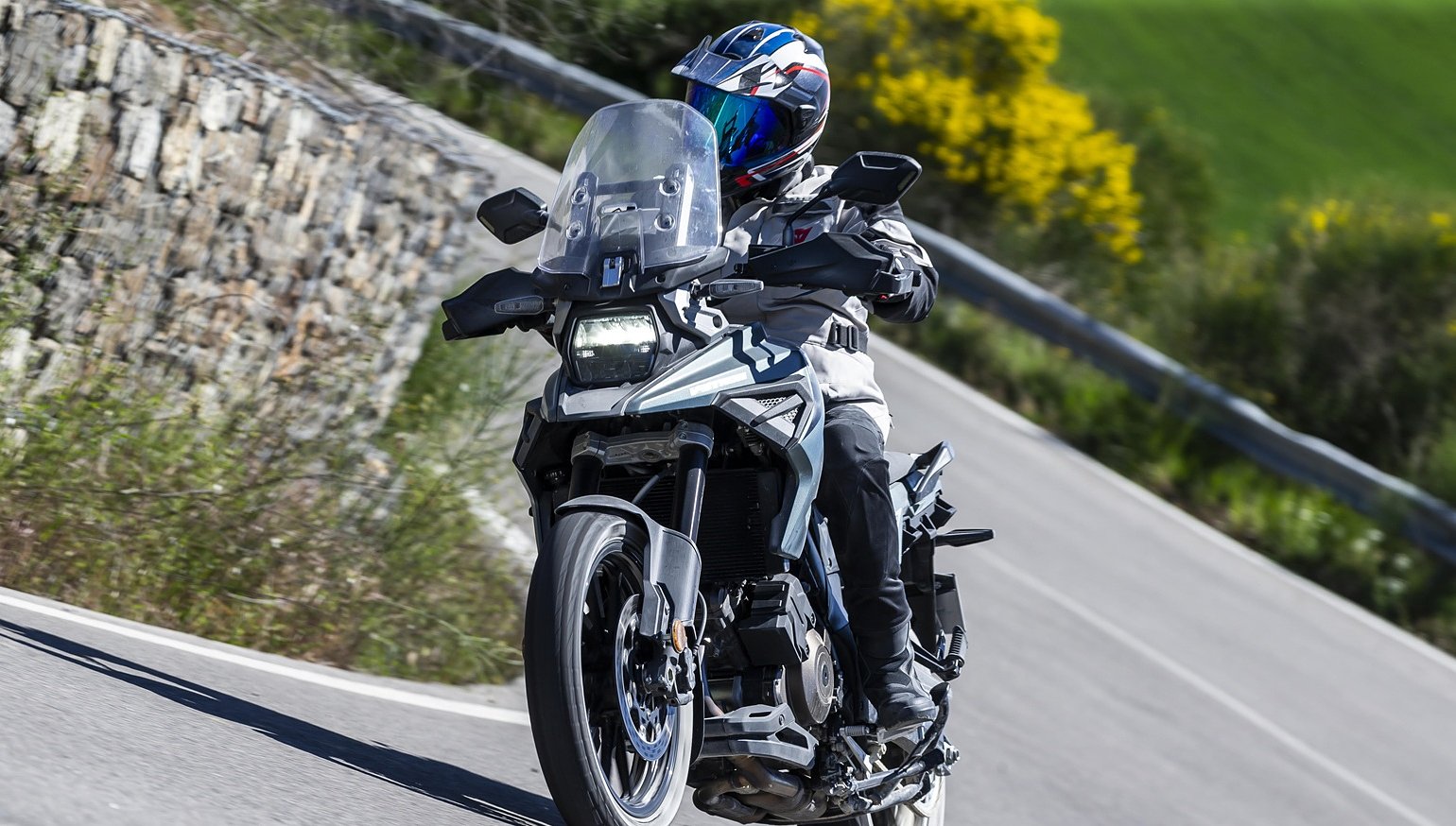
I rode three motorcycles on the pavement, a Yamaha Ténéré 700, a BMW F 900 GS, and a Suzuki V-Strom 1050, and then I took command of a BMW R 1300 GS in the first section of dirt. Although the gravel roads are, for the most part, hard-packed, vehicles spinning up the surface of uphill sections leave it loose and slippery, providing a good test of traction. The Adventure 2 took it all in stride, the front end tracking confidently, the back end rarely breaking loose.
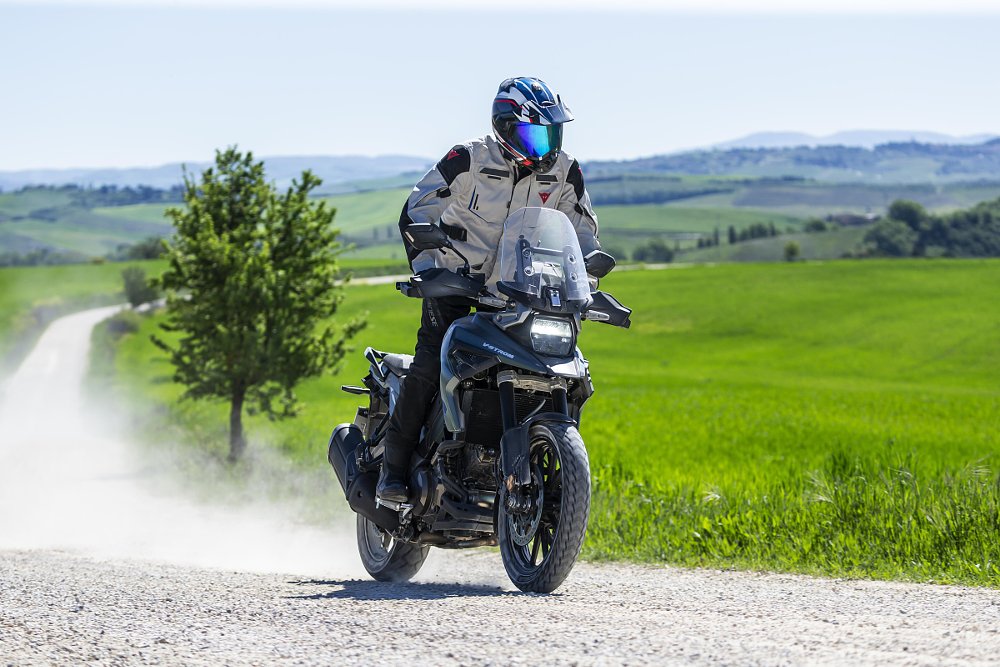
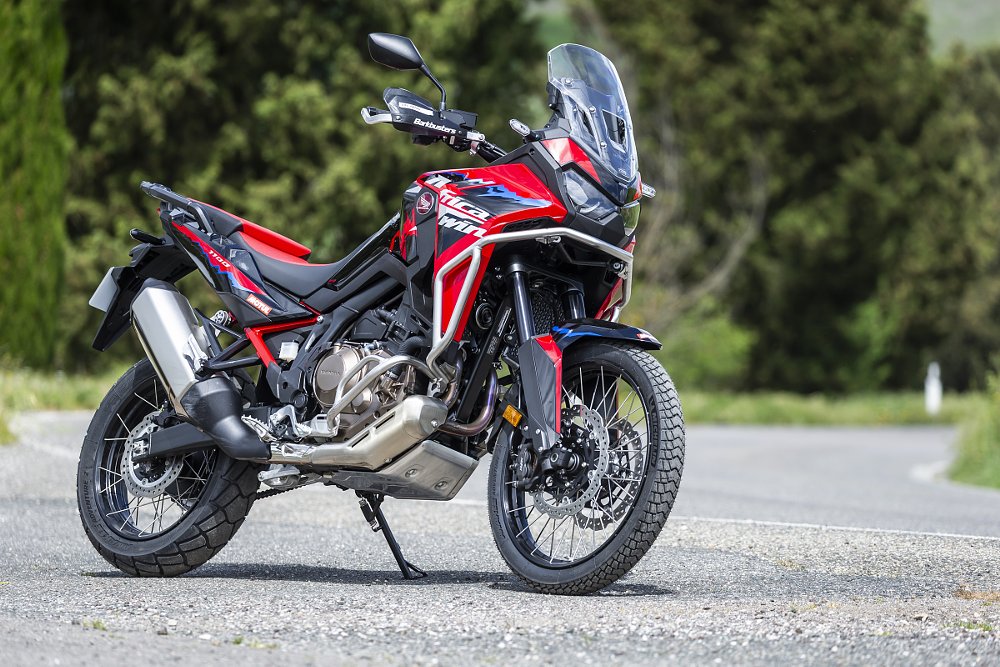
On downhill sections with slippery gravel, any momentary locking of the rear wheel due to too much braking never presented any hold-your-breath moments. Transitioning to a Honda Africa Twin, I went directly into a downhill and, being unfamiliar with the bike, I ended up locking the front. The tire, skidding slightly in the loose surface, managed to track straight. Again, no "gulp" moment.
Back on another Ténéré and onto the pavement again, we came upon a section of twisting road that resembled a racetrack, with good surface, which provided a healthy testbed for the tires at speed. Under aggressive braking and turn-in, with a good number of direction changes in tight succession, the tires responded to the rapid swings right-left-right-left with aplomb; like a playful Border Collie.
The advantages of adventure bikes and tires
I found the Michelin Anakee Adventure 2 to be a good all-around tire, with excellent manners on a variety of paved and unpaved surfaces. It will serve a variety of riders, whether you choose to go off-road or not. The reality is that today's roads can get awfully brutal in terms of potholes, broken pavement, and bumps. A tire with some off-road capability baked in also serves you in those inevitable instances of less-than-perfect on-road riding conditions.
The great strength of an 80/20 tire like the Anakee Adventure 2 is the same one provided by the adventure-touring motorcycles it fits, and a big part of the reason for their surge in popularity. The dual capabilities of traversing pavement or dirt gifts the rider versatility and freedom of choice, allowing spontaneity. On the highway, see a distant gravel road leading to the top of a mountain? Take the next off-ramp and hit it. Riding on back roads, come upon a gravel lane that you can only guess where it leads? You have the tires under you to go find out.
Flying home from the Michelin test I got to thinking about the changes in attitudes and preferences in motorcycling today as compared to 20 years ago. The growth of the Adventure segment indicates a more experiential aspiration, as opposed to going fast. Has this been inspired to some degree by social media, with its excessive proffering of exotic destinations? As a journalist, in almost all forms of writing, I've witnessed a shift toward story, as opposed to information. The same values seem to have seeped into motorcycling, with increasing numbers of riders looking to integrate experiences into where they take their motorcycle. That's a good thing.
To wrap up this technical editorial on a whimsical note — so essential to the general harmony of the explorer in all of us — I would like to share the famous poem "The Road Not Taken" by Robert Frost. It seems fitting, as it encapsulates the adventuring spirit.
Two roads diverged in a yellow wood,
And sorry I could not travel both
And be one traveler, long I stood
And looked down one as far as I could
To where it bent in the undergrowth;
Then took the other, as just as fair,
And having perhaps the better claim,
Because it was grassy and wanted wear;
Though as for that the passing there
Had worn them really about the same,
And both that morning equally lay
In leaves no step had trodden black.
Oh, I kept the first for another day!
Yet knowing how way leads on to way,
I doubted if I should ever come back.
I shall be telling this with a sigh
Somewhere ages and ages hence:
Two roads diverged in a wood, and I—
I took the one less traveled by,
And that has made all the difference.
The Michelin Anakee Adventure 2 makes all the difference by allowing you to wander down roads less traveled.