

 Membership
 Riders Preferred Membership
 Shop by Vehicle
 Track Order
 Contact Us
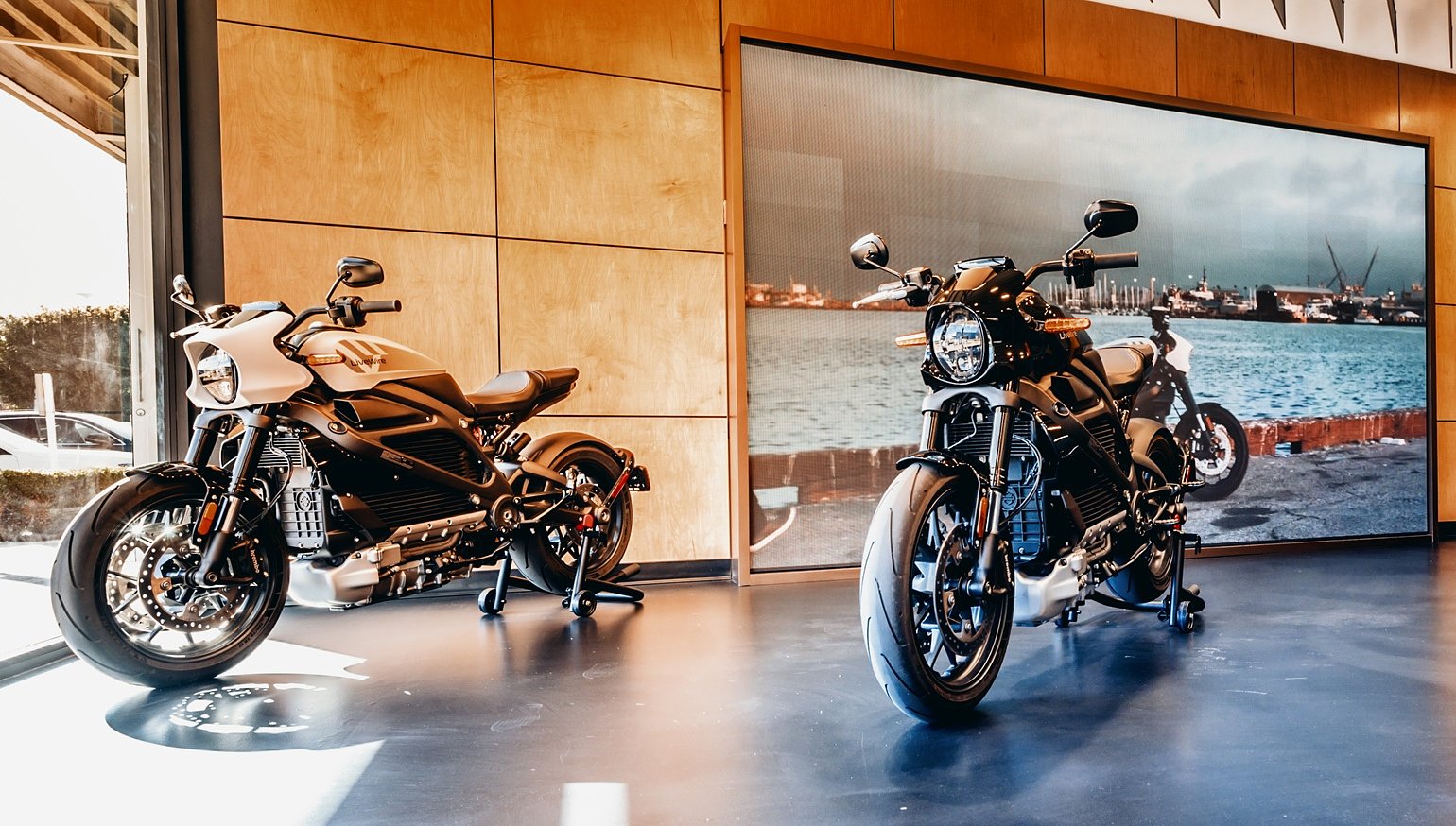
It's well known that being an early adopter can be expensive. If you want to be the first in your crowd to have the latest tech, don't expect to buy it at a discount. LiveWire just hammered home that message anew.
LiveWire, the electric motorcycle spinoff still mostly owned by Harley-Davidson, announced yesterday that it's cutting the base price of its LiveWire ONE model to $13,999. Let's put that into perspective.
I got a first, very short test ride on this bike (which was, back then, the Harley-Davidson LiveWire) in 2014, long before it even went into production. Harley-Davidson was giving demo rides at dealers around the country, building buzz for the company's first electric motorcycle by making it easy for riders to share their thoughts on social media. It was five years later when Lemmy finally got a test ride on a production Harley-Davidson LiveWire and the initial price was $29,799. Sales were brisk out of the gate as those early adopters snapped up what was a genuinely good — if pricey — electric motorcycle, but then sales trailed off.
In 2021, Harley-Davidson announced it would spin off LiveWire as a separate, publicly traded company and the Harley-Davidson LiveWire became the LiveWire ONE. The only changes, as then-staff-writer Andy Greaser reported, were "about $7,000 and the name on the 'tank'," because the price dropped to $21,999. Subsequent price cuts have followed, including this latest one. Any early adopters who bought a Harley-Davidson LiveWire in 2020 paid about twice as much as it would cost to buy a virtually identical machine today, brand new.
The LiveWire ONE, the flagship of the lineup, is now priced lower than the $15,499 initial price of the Del Mar, the first model introduced in 2023 in LiveWire's mid-priced S2 line.
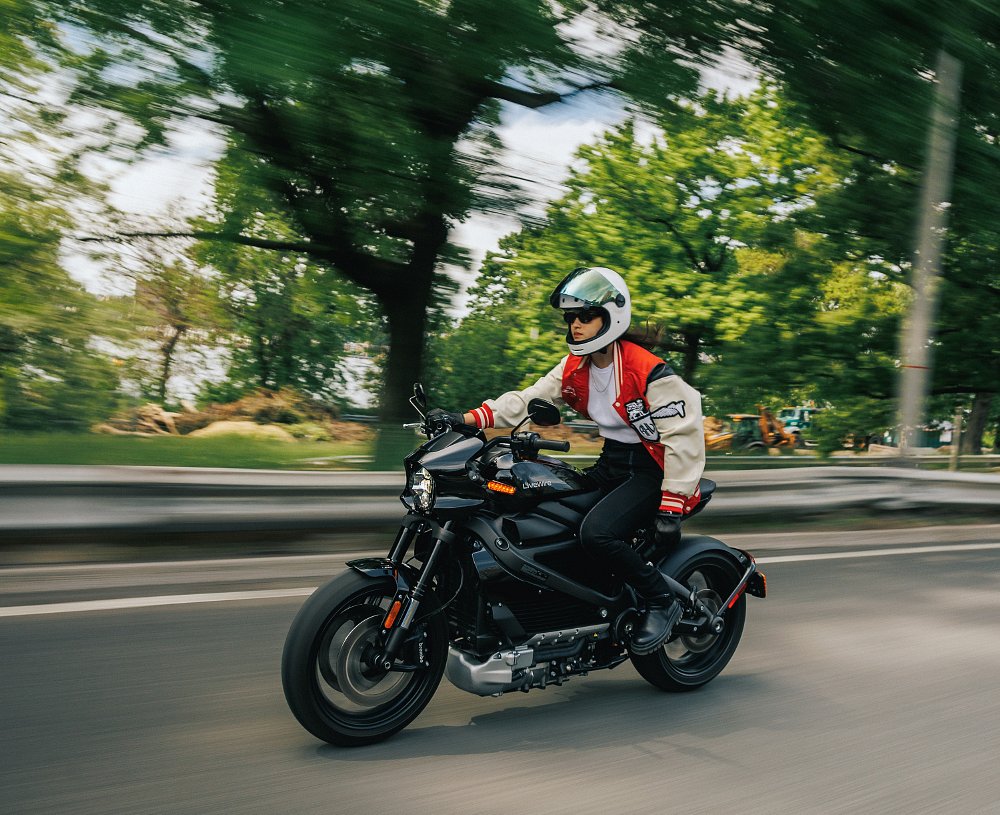
What does this tell us about electric motorcycle pricing?
Plenty of motorcyclists hate electric motorcycles on a purely visceral level. Other people love them in that early-adopter way, attracted by shiny new tech and their sheer differentness. My perspective is far more practical. It comes down to one question: What's the use case?
Street-legal electric motorcycles do two things well: daily commuting and local transportation. The first doesn't apply to me since I work at home but the second does. I like having a small bike in the stable for runs to the hardware store or donut shop, and when I rode a Zero FXS many years ago, I thought that while it would be utterly impractical for traveling anywhere, it would make a perfect around-town, low-maintenance ride: just plug in at home and go. As a result, I keep an eye on prices of used electric motorcycles in case I spot a deal near me and it doesn't take much browsing to realize that electric motorcycles depreciate far faster than their internal-combustion equivalents. Good for buyers, not for sellers.
Since an S2 Del Mar, or even something less expensive, like a Zero FXE, will fulfill the two use cases of commuting and local transportation just as well as a more expensive LiveWire ONE, to me the only reason to buy a ONE is because you want it. Not because it does something a less expensive motorcycle can't. Yes, you can ride across the country on a LiveWire without Charlie Boorman's support crew, but it requires extra dedication. And time. That's not a reason you buy one. You buy one despite that.
That explains why sales dropped off so fast after the pool of early-adopter buyers dried up. Unless you really want a ONE, there's no use case that convinces you that you need a ONE.
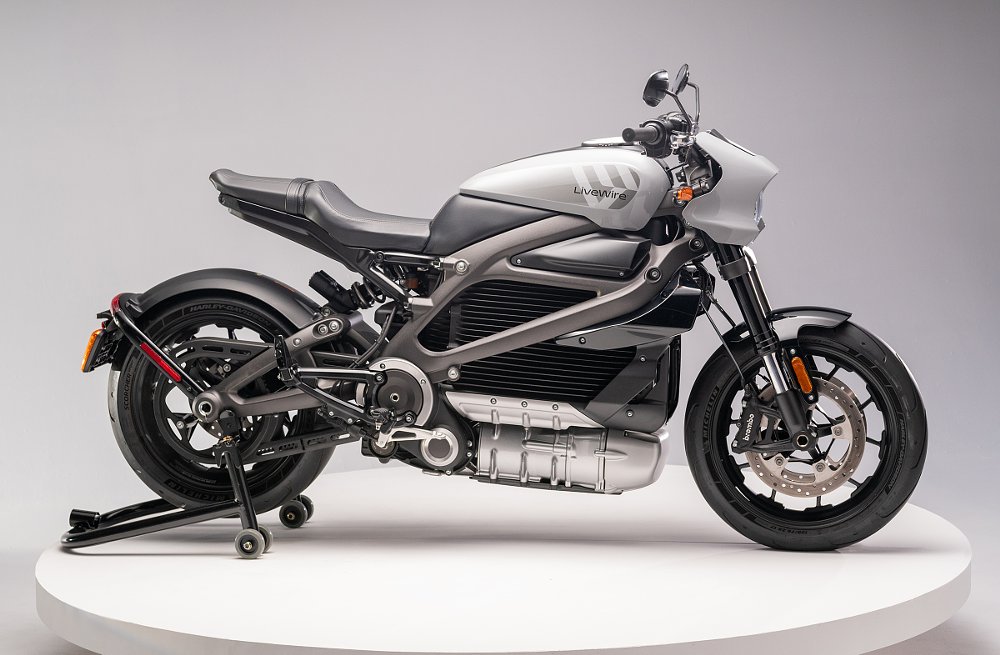
Price cuts are no surprise. LiveWire sold 381 electric motorcycles in 2025. In its original projections, issued before LiveWire stock began trading on the NASDAQ exchange with the spin-off, the company had projected selling 53,341 electric motorcycles in 2025. To say things didn't go according to plan is an understatement.
LiveWire has adjusted course, however, not only bringing out the less expensive Honcho model, with a starting price of $5,499 for the street-legal version, but also buying Dust Moto to get into the off-road segment, where electric dirt bike sales are much stronger. But if you wanted to be one of those early adopters with the LiveWire ONE, it's now too late to be early, but it's the right time to get a price those early adopters didn't dream of back in 2020.
Image Gallery