 Riders Preferred Membership
 Log In
 Shop by Vehicle
 Track Order
 Contact Us
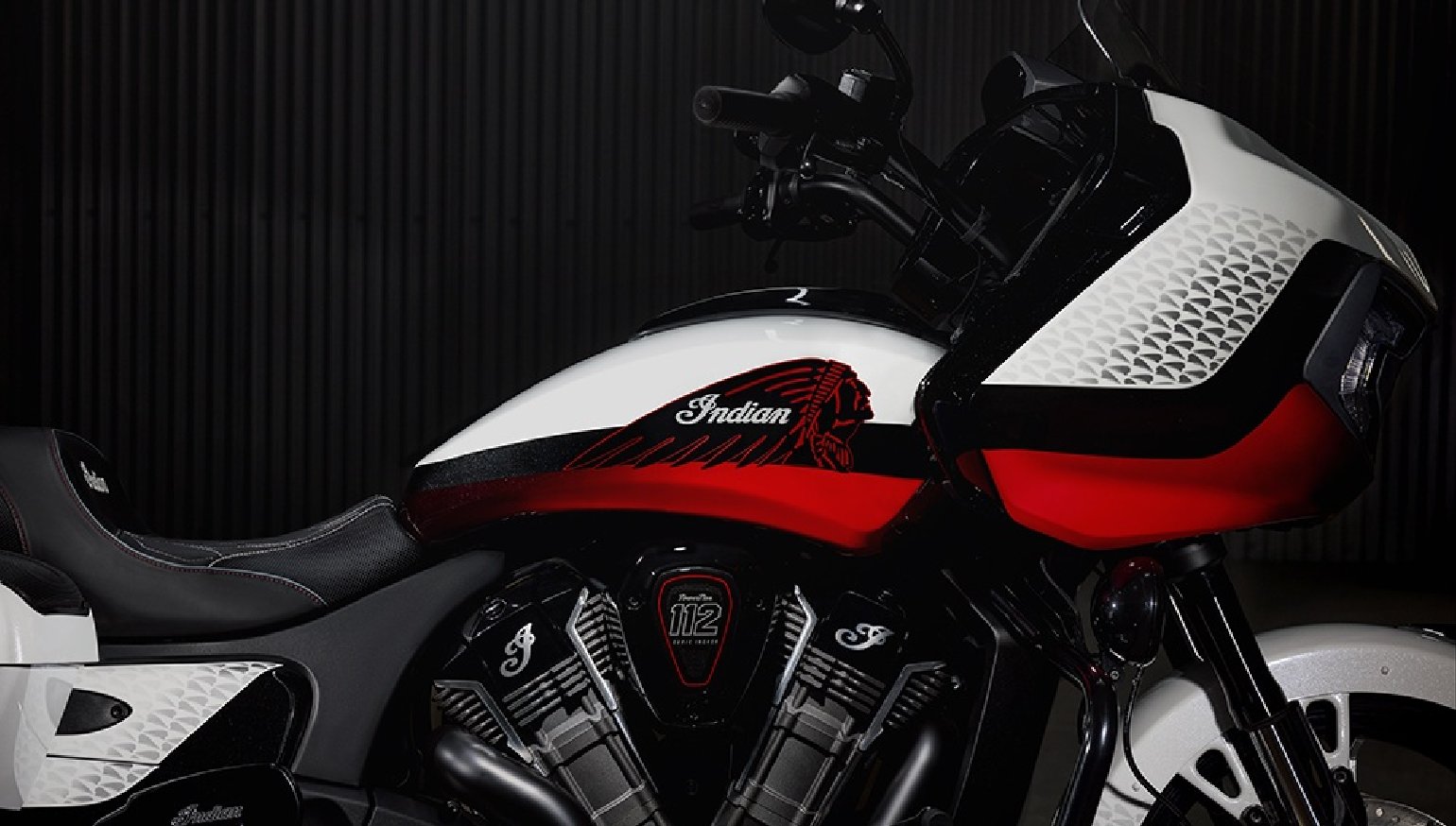
If you heard Indian Motorcycle changed hands and you were hoping the new management would expand the lineup beyond cruisers, add smaller and more affordable models, and bring back the FTR, I have bad news for you.
If you heard Indian Motorcycle was bought by a private equity firm and you were worried the new management would shut down U.S. manufacturing and slap the brand on cheap imports (as happened in Indian's past), I have good news for you.
Just a week after the transaction closed between former owners of the brand, Polaris, and new owners, Carolwood LP, new Indian CEO Mike Kennedy met virtually with the motorcycle media to talk about the future of the company. And while there's no doubt that this is a big change for Indian, going from a small part of a large corporation with 10,000 employees to a stand-alone motorcycle-only manufacturer with roughly 900 employees, the casual observer or even the loyal Indian customer may not see much difference, under the plans and vision Kennedy described.
For most consumers, the transaction raised some form of the two questions I started with above: What products will the company be building and is its future secure? Here's what Kennedy had to say on those two topics.

Cruisers, baggers, tourers, and trikes
Since he began working in the motorcycle industry in 1989, Kennedy has seen all facets of the business, from manufacturing, with 26 years at Harley-Davidson, to the aftermarket, as CEO of Vance & Hines, to the retail space, as CEO of dealer chain RumbleOn (since renamed the RideNow Group). Indian's domestic competition, Harley-Davidson, took a dramatic shift in strategy as corporate leadership changed, going from expanding its lineup and focusing on bringing in new riders to trimming lines and focusing on high-margin, "premium" models under the next CEO. Which way would Indian go?
It turns out, Indian is planning to look even more like Harley-Davidson of recent times.
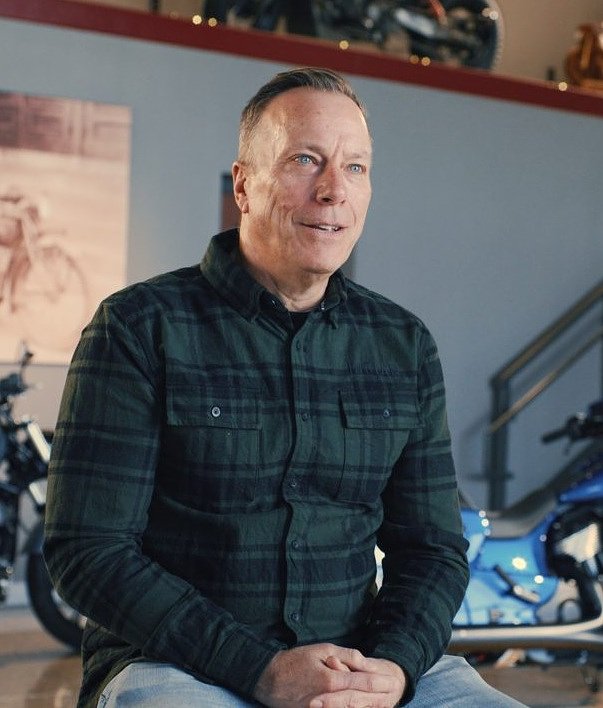
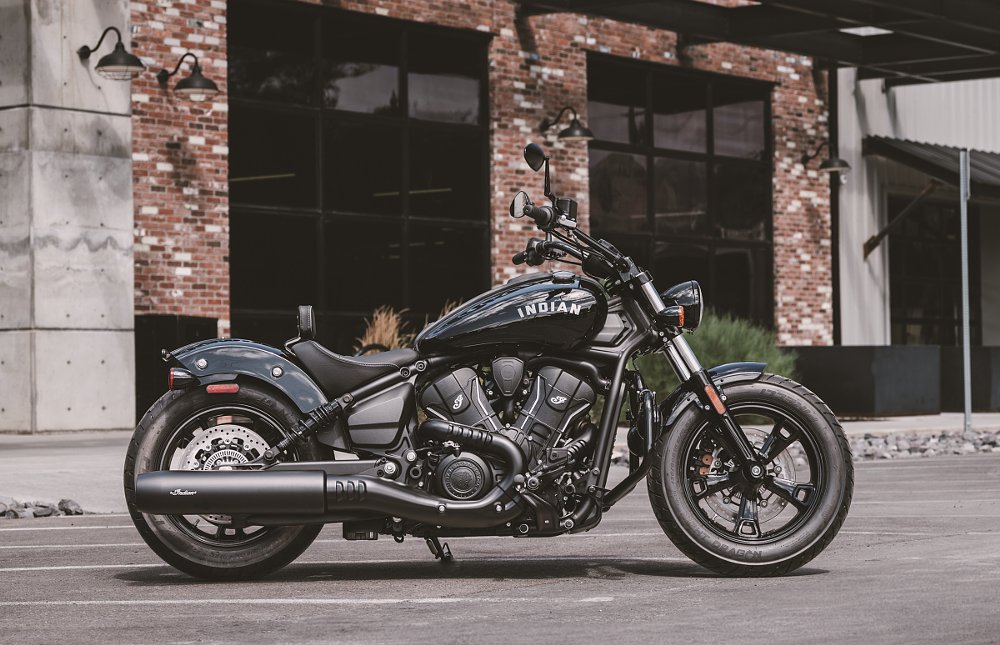
"Our immediate focus is going to be on middle- and heavyweight cruisers, baggers, touring, and soon to be trikes," said Kennedy. "There are significant upside opportunities for our company when we focus on those segments and execute better."
That assertion comes despite the fact that the only growth area in the U.S. market in recent years has been among smaller motorcycles, especially more accessible sport bikes, largely selling to younger riders. Indian's most accessible and affordable model currently is the Scout Sixty, with an MSRP of $9,999 and a low seat height of 25.6 inches, but still weighing well over 500 pounds. In response to questions, Kennedy admitted the Scout Sixty is still too much motorcycle for many beginner riders, and he used his own daughter as an example of someone who would not want that heavy a bike. But he insisted that branching into other kinds of motorcycles, as the company did with the disappointingly slow-selling FTR, or building an inexpensive cruiser, would be "distractions" and he said Indian will be most successful if it can "lean into our DNA" and focus on the traditional models.
And Kennedy isn't setting easy goals.
"We don't think there's a reason why we cannot be the number-one market share leader in cruisers, both middle- and heavyweight, baggers, touring, and we expect to enter the trike market very soon," he said. In other words, he's talking about surpassing Harley-Davidson, which currently outsells Indian by roughly five to one.
Will private equity ownership strip Indian for parts?
For many riders, the real question was what would happen to Indian after its latest change in ownership. The new majority owner, Carolwood LP, is a Los Angeles-based private equity firm that set up a branch more than a year ago that was focused on "highly entangled corporate divestitures," as Kennedy described it. The history of private equity firms taking over popular brands is mixed, with some aiming to flip an acquisition for a quick profit, some breaking down a company into parts and selling them off, and some keeping a company intact and making it stronger. This is the 19th time the Indian brand has changed hands since it was founded in the late 19th century, and some customers feared for the company's future.
Kennedy aimed to quell those fears. He said Carolwood brought him into the process early to advise on the transaction with the plan to make him CEO if the deal went through.
"They're not motorcyclists," Kennedy said of the Carolwood principals. "They had the confidence to say 'We don't know the motorcycle business but we love brands and we think this is a unique opportunity and we'd like you to help advise us on the deal and, if we're successful, run the company'."
"I've had some dealings with private equity in my past," Kennedy added. "I don't accept the categorical statement that private equity is bad." He named Fender Guitars and snowmobile and personal watercraft maker BRP as companies that benefited from investments by private equity firms. He also cited his own presence as evidence Carolwood doesn't plan to dismantle the company.
"If Carolwood wanted to split this company up and sell it for pieces, they wouldn't hire Mike Kennedy. Number one, I don't know how to do that. I wouldn't even know where to begin. I know how to run a motorcycle company."
Kennedy said the new ownership is even more committed to building motorcycles in the United States. The two foreign plants that were building Indians will be shut down and all production will be consolidated in the company's modern manufacturing facility in Spirit Lake, Iowa. Commenting on news reports that the plant in Osceola, Wisconsin, where Indian engines were made under Polaris ownership, was being shut down, Kennedy explained that the Osceola facility was not part of the transaction and the decision to close it was made by Polaris. Instead, engines will now be made in the same Spirit Lake plant where final assembly takes place, instead of being shipped from Wisconsin to Iowa, and workers in Wisconsin will be offered jobs at the remaining Indian factory in Iowa. Consolidating all operations in one plant will greatly simplify Indian's production, he said.
Another way Indian will follow Harley-Davidson's recent playbook is by consolidating, rather than expanding, its line of products, with fewer models and trim options offered in the future.
There's no question that Polaris brought more stability to the Indian brand than any other ownership since the original company shut down more than 70 years ago. But now, 125 years after Indian was founded, it's a lot like a rider setting out solo instead of being part of a large group — presumably more agile and flexible, able to choose new routes as conditions warrant, but also with less backup if things go wrong.
Image Gallery