 Riders Preferred Membership
 Log In
 Shop by Vehicle
 Track Order
 Contact Us

First comes thesis. It’s the established order. The accepted idea. The status quo, if you will.
Next is antithesis. It challenges convention. It’s the dissenting voice. The counterargument.
Then there’s synthesis. It’s part thesis and part antithesis. It’s both, and it’s neither — because it’s something new.
That about sums up my experience with the CFMOTO Ibex 450. Let me explain.
Somewhere in between
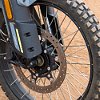
Six thousand, four hundred and ninety-nine dollars. That’s the MSRP that CFMOTO hangs on a brand-new Ibex 450. It’s not just affordable for the segment; it’s affordable for the entire market. What's more, CFMOTO doesn’t cheap out on the components surrounding its 449 cc p-twin. Instead, the model comes standard with fully adjustable KYB suspension, tubeless spoked wheels, foldable mirrors, and traction control.
Bang for buck is the Ibex’s greatest selling point. Value is its calling card. Budget-friendly, affordable, cheap, call it what you will, the little ADV is a capable bike with an accessible price tag. So what did I do when the Chinese firm put a test unit at my disposal for a long-term review? I instantly piled on expensive add-ons, that’s what.
Adventure bikes are the do-anything-go-anywhere options in the motorcycling world. They can cover vast distances on the pavement and tackle the trail, all in one trip. I reasoned that a few farkles would help the Ibex live up to those expectations. Unlock its full potential, so to speak. More was the directive: more wind cover, more carrying capacity, more crash protection. Etcetera, etcetera. The growing parts list didn’t just send the costs soaring, it also weighed down the bike in other ways.
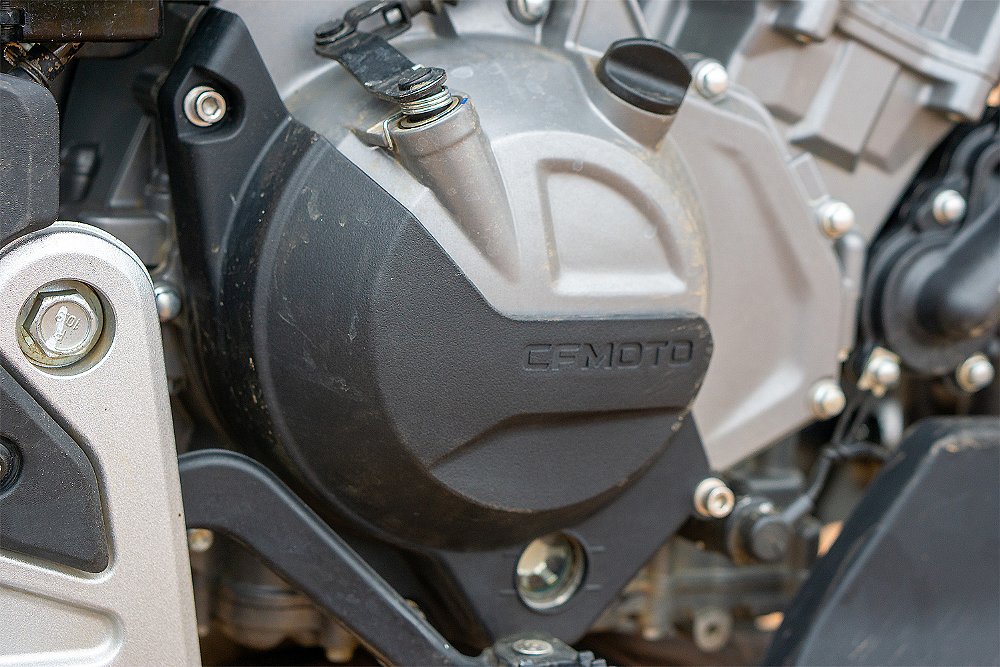
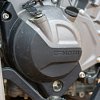
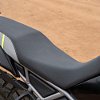
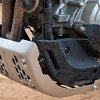
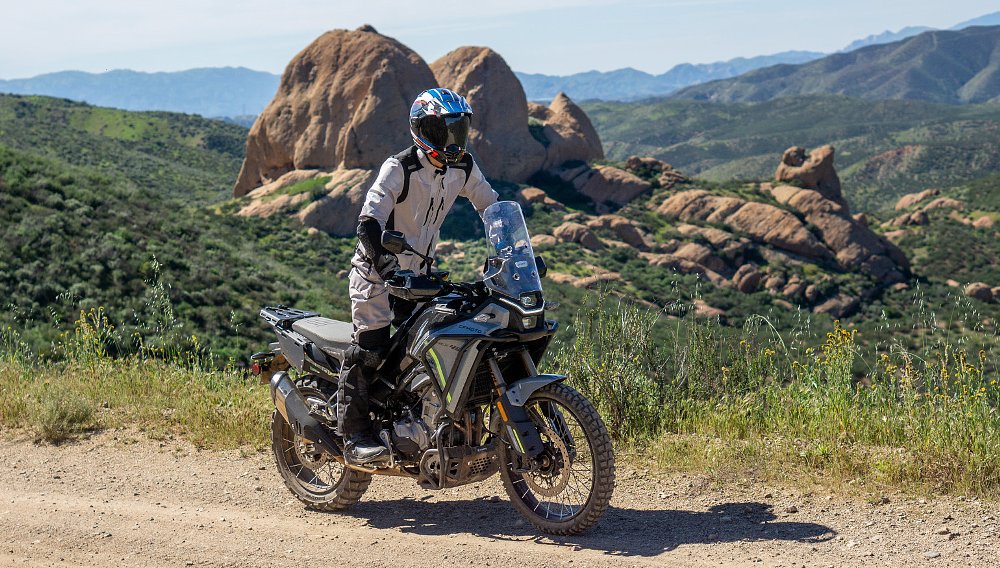
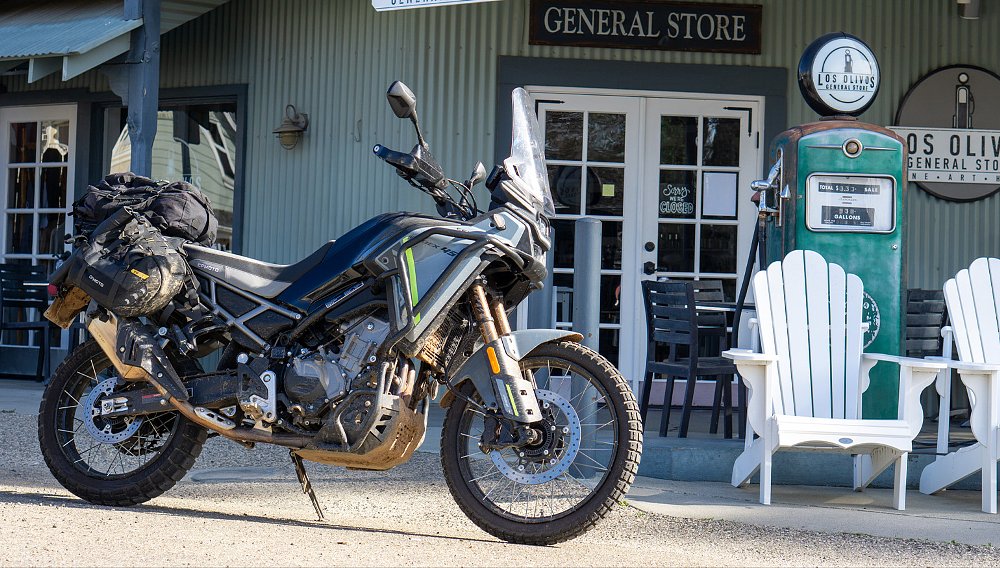
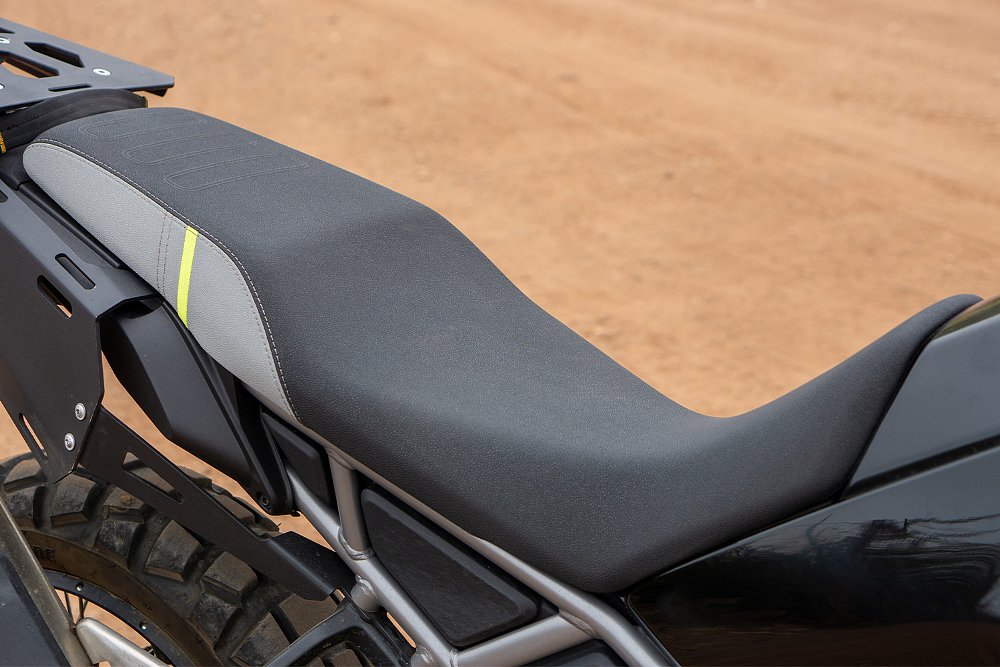
To improve the Ibex’s travel prospects, I installed a tall windscreen ($150), heated grips ($150), and CFMOTO’s liberally padded rally seat ($200). Aluminum pannier supports ($200) and 40-liter soft bags ($550) solved the luggage issue. And that’s just the road-oriented upgrades. Dirt duty called for case covers ($80), upper and lower crash guards ($275), a robust skid plate ($300), and a set of Bridgestone Battlax Adventure Cross AX41s.
Altogether, the accessories added nearly $2,500 to the Ibex’s starting price, turning a $6,500 bike into a $9,000 one. Maybe more importantly, they turned a 426-pound adventure bike into a 458-pound one. Those 32 pounds may seem insignificant on paper, but their impact on the ride is considerable, both on and off-road. That was all the more evident after removing the parts that were no longer serving me.
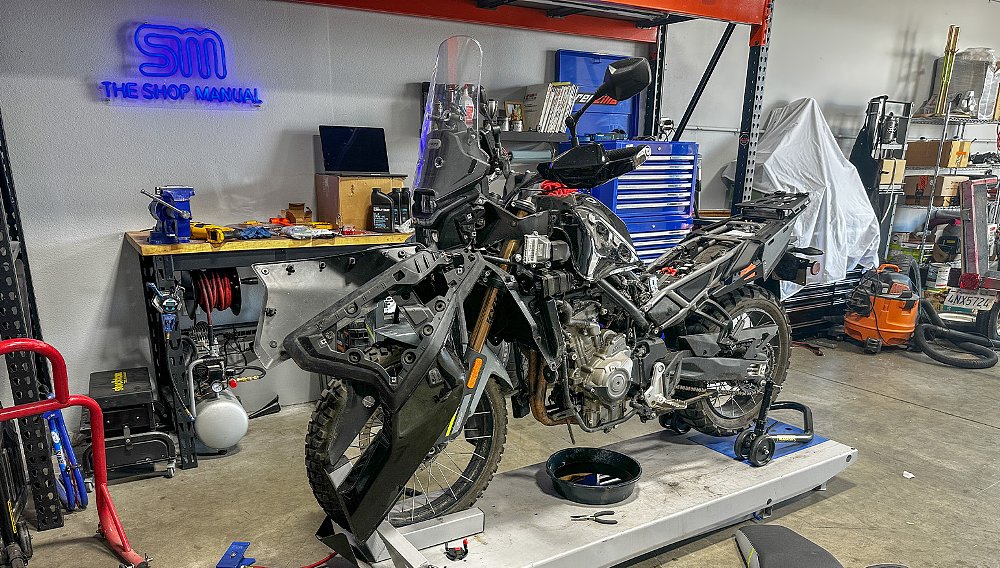
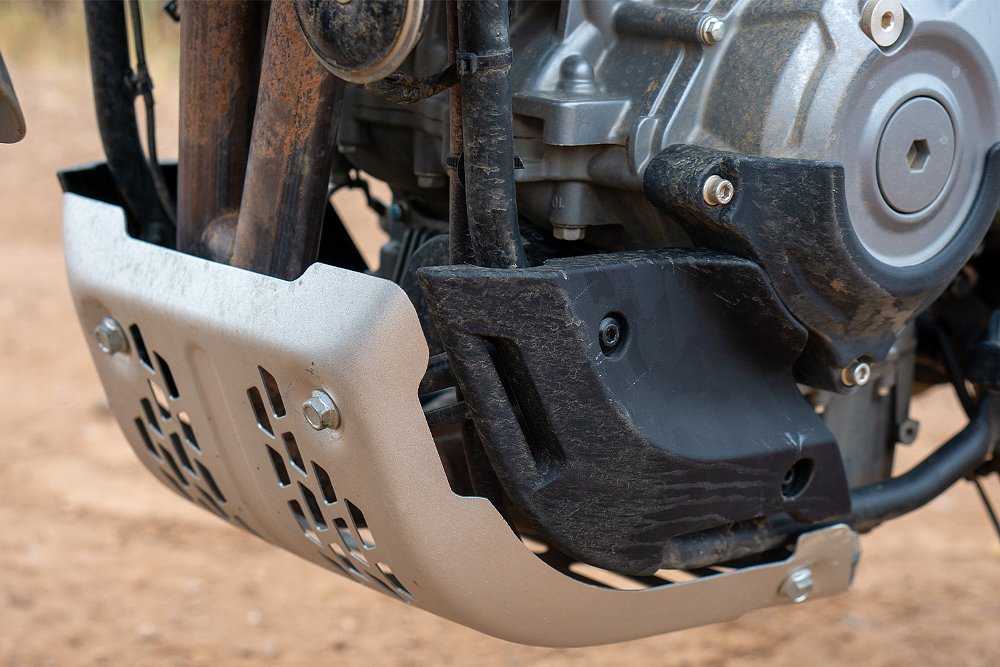
Out with the off-road bash plate. In with the stock sump guard. Gone were the heavy engine guards. Ibex owners intent on pushing the bike’s off-road capabilities would certainly benefit from the extra protection, but in my hands, they weren't just useless, they also added unneeded weight. The cuts weren’t limited to hard parts, either. The standard seat replaced the rally-styled unit. Even the soft panniers went by the wayside.
What stayed was the aluminum rear rack. After all, lashing a backpack to it was all I needed for weekend road trips. The tall windscreen and case covers remained, too. The former provided much-needed shelter from the elements, and the latter safeguarded mission-critical parts on the trail — all without massive weight penalties.
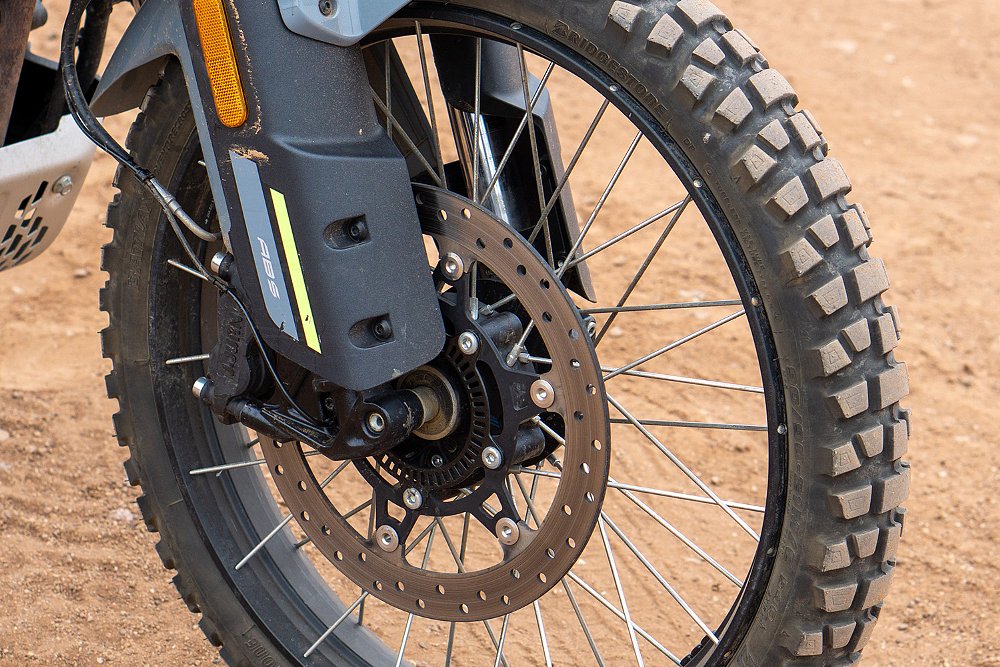
After going through the trouble of installing the heated grips and Battlaxs, I wasn’t eager to remove either. If I could do it all over again, however, I’d bypass the heated grips altogether and spring for a set of heated gloves, instead. As for the tires, the Bridgestones delivered excellent grip in the dirt, but that came at the expense of on-road performance. For that reason, I’d run the stock CST Ambro A4s down to the threads before replacing them with the Pirelli Scorpion Rally STRs that they’re imitating.
Only after throwing the kitchen sink at the Ibex, only after outfitting it with the whole kit and caboodle, did I realize that very little is needed to improve the economical ADV. A few parts here, a few upgrades there, is all it requires. With that approach, the Ibex isn’t just lighter on the wallet, it’s also lighter on its feet, maintaining its agility both on tarmac and on the trail. In its final form, the Ibex only weighed six pounds over stock. Better yet, the required accessories cost a little over $1,000, not $2,500.
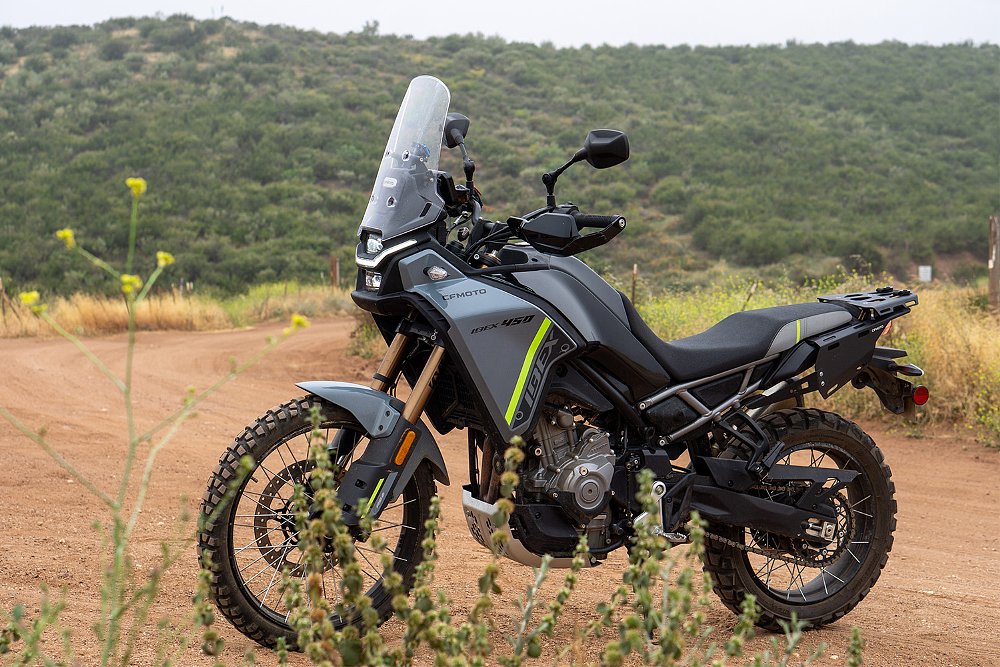
This particular project went from minimalism to maximalism before settling somewhere in the middle ground. Say it with me: synthesis. Be that as it may, different owners will equip their Ibex to suit their needs. Some will tack on aluminum panniers and full crash protection. Others will opt for dirt-friendly tires and suspension upgrades. No matter how the Ibex is configured, all owners and prospective buyers share one concern: engine health.
Oil analysis
Goods manufactured by Chinese brands have earned a reputation for inferior quality over the last several decades. Motorcycles are no exception. Chinese-made bikes were often criticized for substandard build quality, poor fit and finish, and rudimentary electronics. CFMOTO has gone to great lengths to dispel those stereotypes, but many U.S. consumers remain concerned about reliability and durability. The only way to objectively assess the situation was to submit the Ibex’s oil samples for analysis.
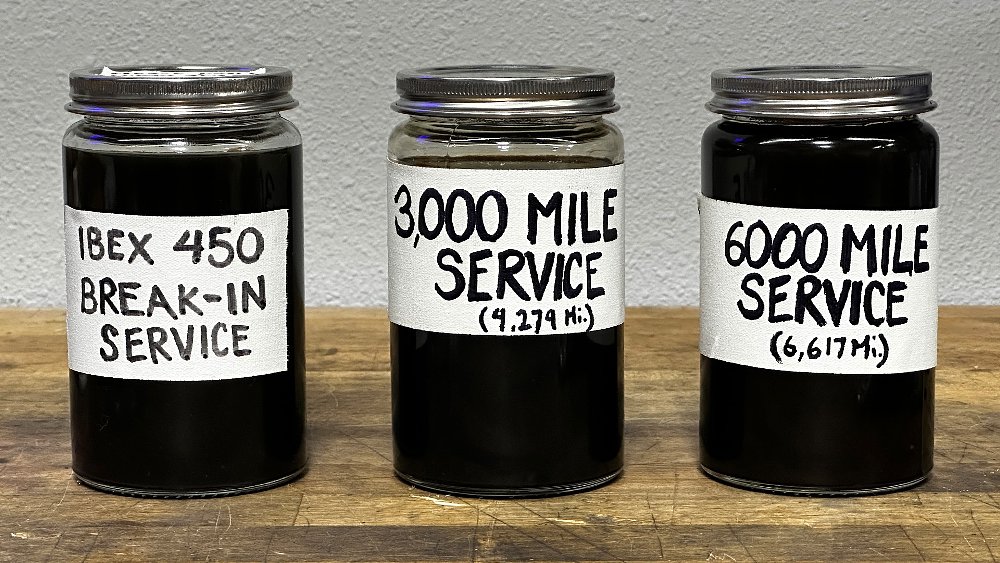
The Ibex 450 was serviced three times under my charge. The break-in service occurred shortly after the engine logged 1,000 miles. The first official service was performed a little over 3,000 miles later, when the odometer read 4,279 miles, and the final service took place after the Ibex had accumulated 6,617 miles. All three oil samples were sent to Blackstone Labs for analysis. The results were predictable in some ways and surprising in others.
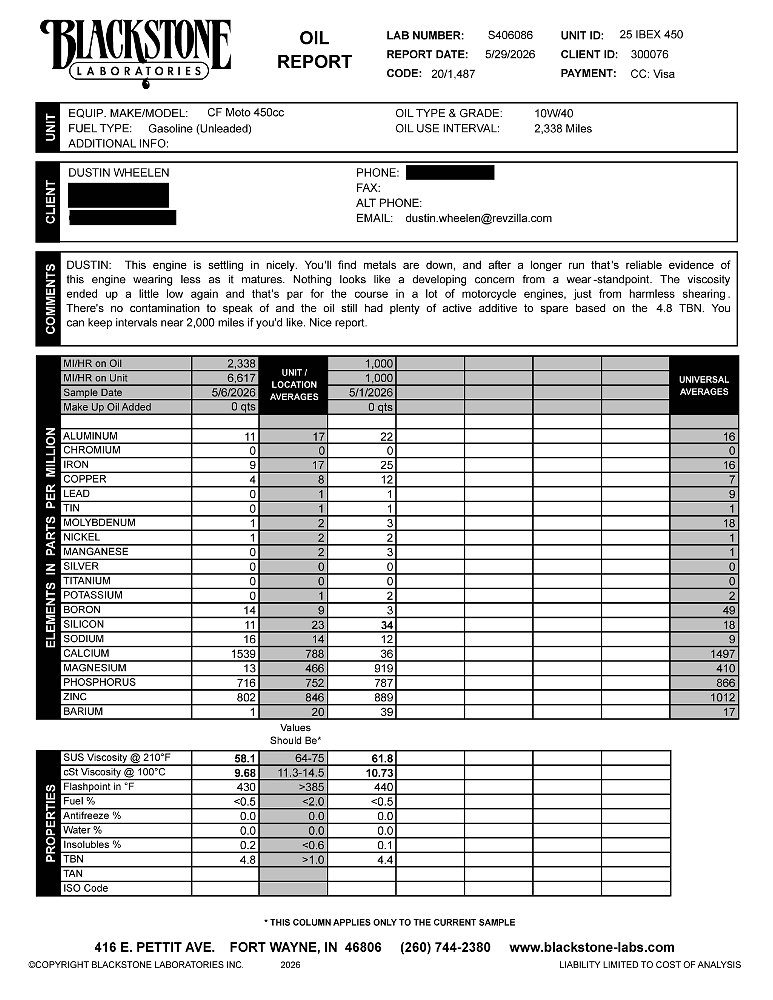
The break-in oil sample contained higher-than-average levels of aluminum, iron, and copper, as well as magnesium, phosphorus, and zinc. That's to be expected of the break-in service, though. That assertion is supported by the lab tech only noting the sample's high silicone content, which is due to “sealers and lubes needed for assembly.” Otherwise, they identified “nothing alarming” in the oil.
That slightly changed in the second report, where the copper levels rose above average, and the aluminum content more than doubled. The tech attributed those jumps to “wear-in that hadn’t cleared out of the engine yet,” but it’s also worth acknowledging that this sample was in use for nearly 3,300 miles, or three times the length of the previous sample. It’s also important to recognize, as the tech put it, that the metal content “settled back down after this.”
In the third and final sample, the aluminum, iron, and copper levels dropped. So too did the presence of magnesium, phosphorus, and zinc. In sum, Blackstone Labs identified no “developing concern from a wear standpoint.” The oil viscosity was consistently low across all three samples, but the tech also called that “par for the course in a lot of motorcycle engines.” It was a relief to hear, especially as my time with the Ibex was drawing to a close.
Bye bye, Ibex
Parting ways with a motorcycle I’ve owned has always been a bittersweet experience. While the bike no longer suited my purposes (ergo, me selling it), there were still good memories tied to it. Oftentimes, a supercut of flashbacks flickered before my eyes as I handed the keys over to the new owner. Technically, I never owned the Ibex 450, but the same thing occurred when I turned it over to CFMOTO.
I recalled the time the Ibex and I battled through desert winds from Las Vegas to Los Angeles, the time I burned out its clutch miles off the paved path, the time I folded the front in a deep patch of sand. The hours spent wrenching on it came to mind. The numerous day trips and weekenders were just as vivid. I remembered every time I dropped the bike, every time I launched it off a jump, every time it and I endured the summer heat, every time I braved the cold in its cockpit.
Despite the fond memories made aboard the Ibex, I was happy to return it to its rightful owners. It was time. The small-bore ADV market is booming right now, but every entry in the class is slightly overweight and slightly underpowered. The Ibex isn’t immune to those quibbles, even if it’s one of, if not the most capable option among the bunch. Simply said, living with the CFMOTO for a little over a year was the right amount of time. I suspect many Ibex 450 owners will feel the same way.
Chinese-made motorcycles still haven’t caught up to their European or Japanese counterparts, but they’re not far off. The Ibex 450 proved that much to me during this long-term test.
| 2025 CFMOTO Ibex 450 | |
|---|---|
| Price | $7,555 (as tested); $6,499 (MSRP) |
| Engine | 449 cc, liquid-cooled, eight-valve, parallel twin |
|
Transmission, final drive |
Six-speed, chain |
| Claimed horsepower | 44 @ 8,500 rpm |
| Claimed torque | 32.5 foot-pounds @ 6,250 rpm |
| Frame | Tubular steel |
| Front suspension | KYB 41 mm inverted fork, adjustable for preload, compression and rebound damping; 7.9 inches of travel |
| Rear suspension | KYB shock, adjustable for preload, compression and rebound damping; 7.9 inches of travel |
| Front brake | Single J.Juan four-piston caliper, 320 mm disc with ABS |
| Rear brake | J.Juan single-piston caliper, 240 mm disc with switchable ABS |
| Wheelbase | 59.25 inches |
| Seat height | 34.25 inches |
| Fuel capacity | 4.6 gallons |
| Tires | Bridgestone Battlax AdventureCross AX41; 90/90R21 front, 150/70B18 rear |
| Measured weight | 432 pounds (accessorized) |
| Warranty | 24 months |
| More info | cfmoto.com |