

 Membership
 Riders Preferred Membership
 Shop by Vehicle
 Track Order
 Contact Us
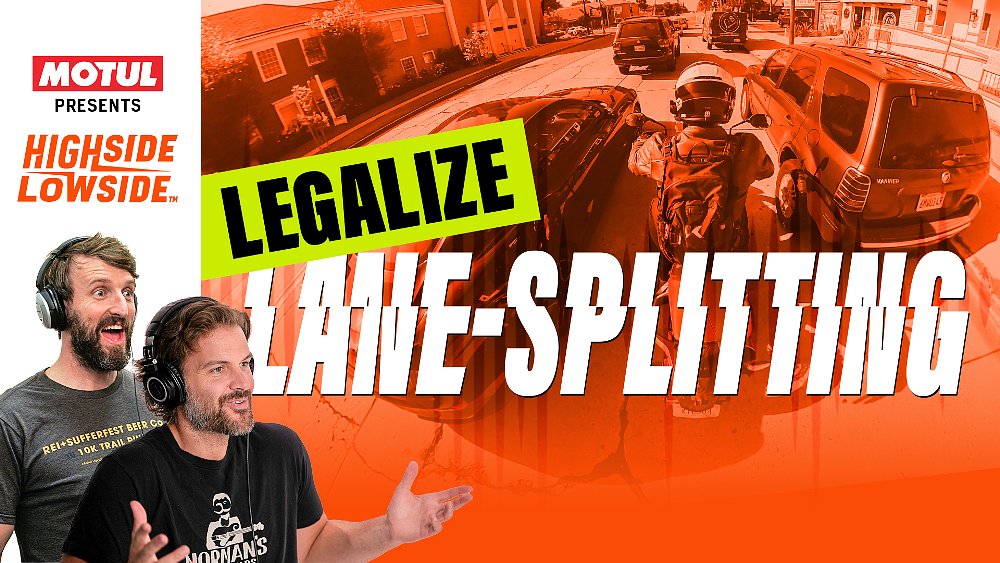
In Season Nine of our Highside/Lowside Motorcycle Podcast we spoke with lobbyist and rider Phil Stalboerger about establishing a lane-splitting law in his home state of Minnesota. The conversation around the impact one person could make to benefit motorcycling at large really resonated with me and I was left pondering whether I was doing enough to advocate for motorcycling.
RevZilla, J&P Cycles, Cycle Gear, and REVER have been active within the Motorcycle Industry Council (MIC) for a few years now. Our CEO, Zach Parham, was recently elected to the Board of Directors as the Secretary/Treasurer and our CMO, Steve Bontempo, has lobbied at the MIC’s “Capitol Hill Fly-In” for three years running. But I have had very little personal involvement, always blaming my busy schedule. But that’s a hard excuse to hide behind knowing the calendars of our organization’s two aforementioned leaders.
It was time to roll up my sleeves.
What’s a “Fly-In” anyway?
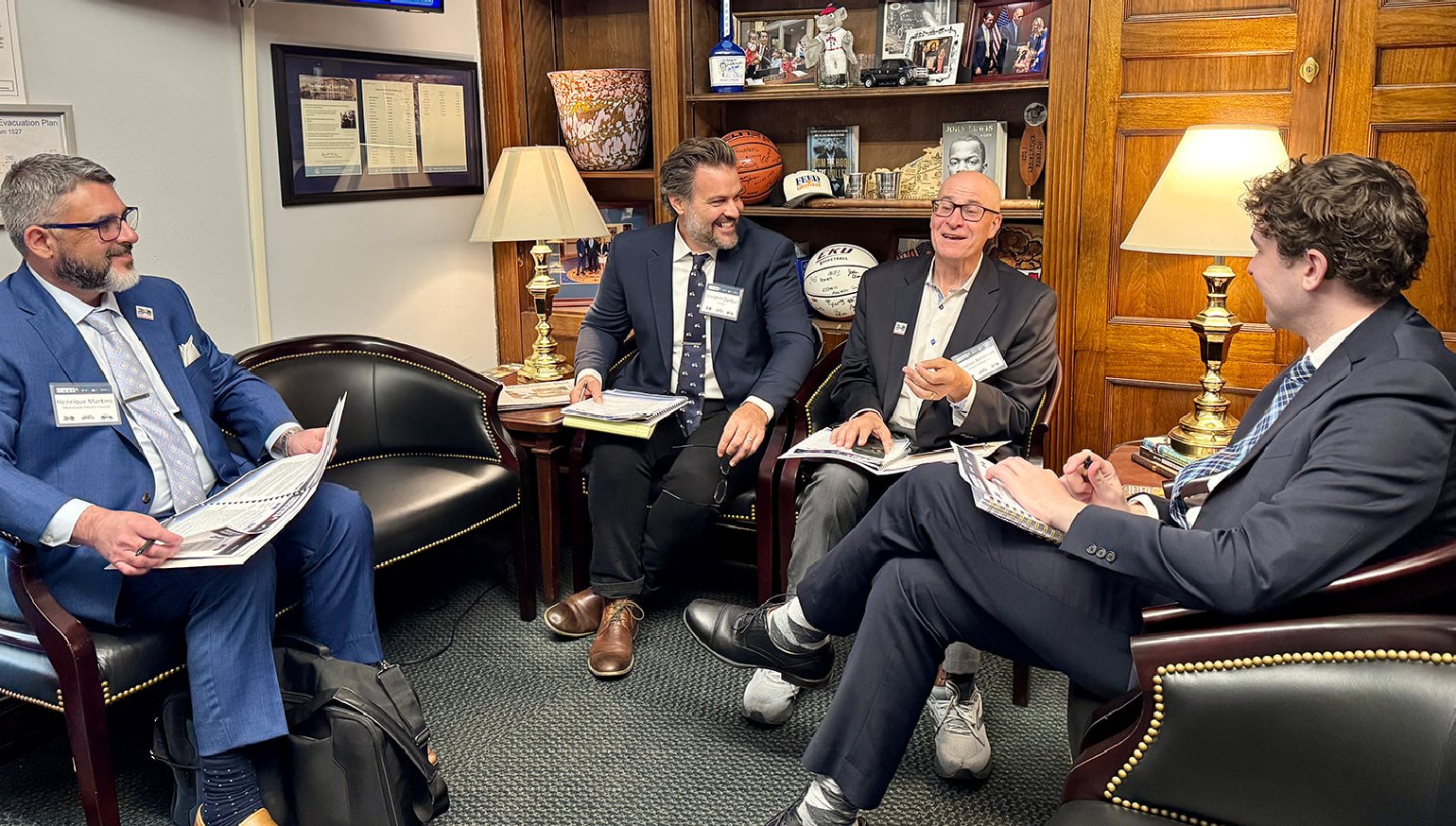
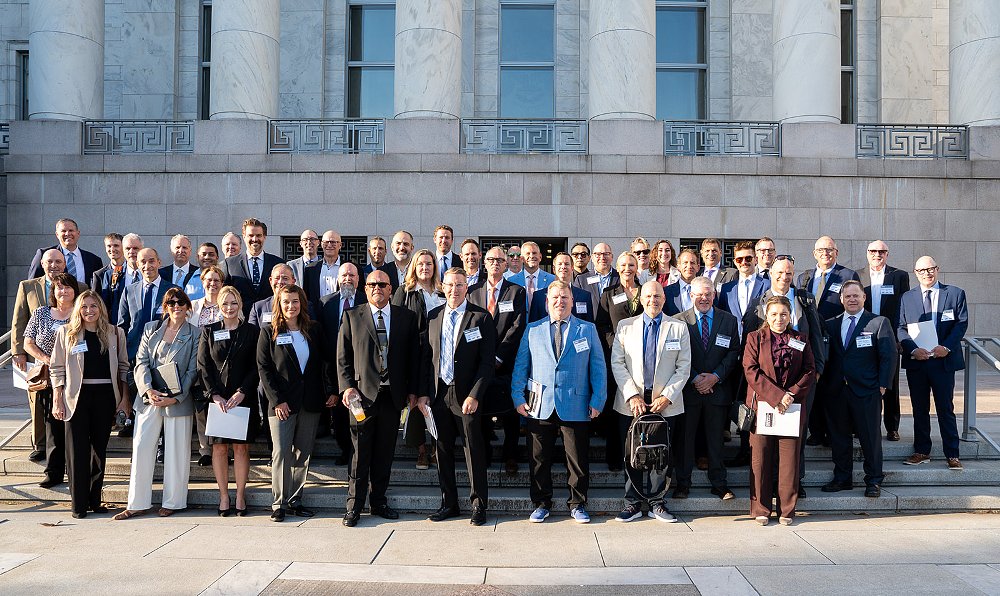
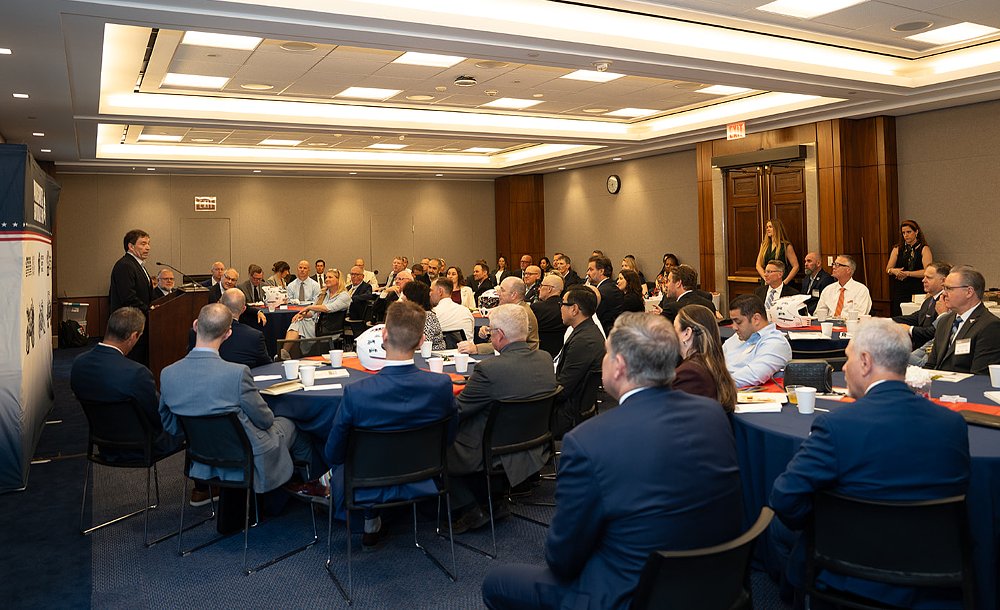
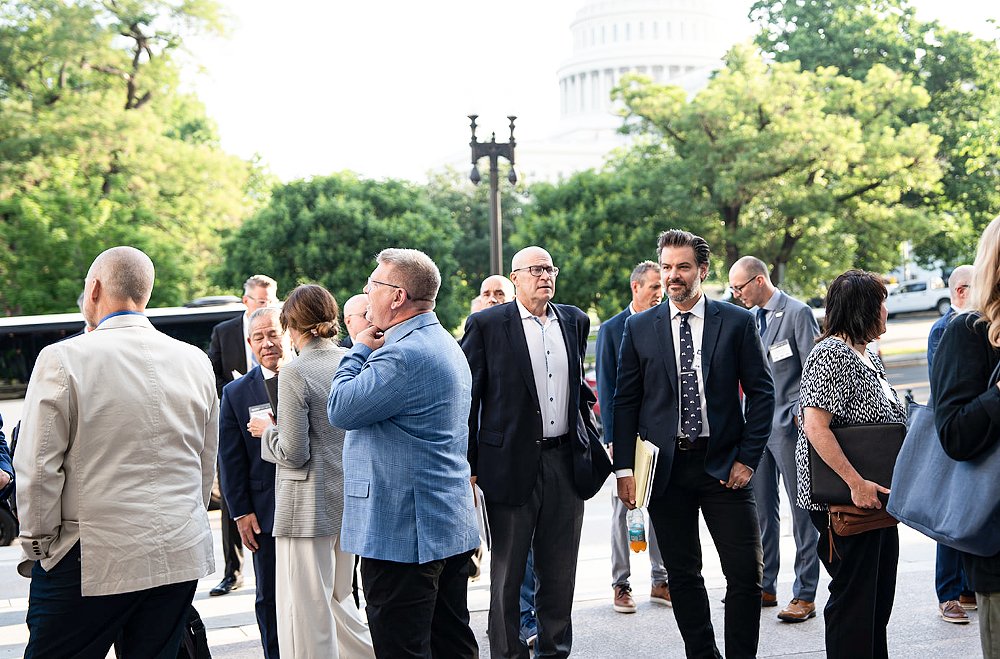
The “Capitol Hill Fly-In” is an annual, focused, multi-day advocacy trip where organizations and industry leaders travel to Washington, D.C. to meet directly with lawmakers, federal agencies, and policymakers to lobby for specific legislative priorities. The MIC invites members to meet with their local Representatives and Senators to advocate on issues that affect all of us.
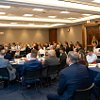
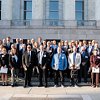
In addition to folks from OEMs like American Honda, KTM North America, BMW Motorrad USA, CFMoto, Triumph Motorcycles Ltd., Polaris, Yamaha Motor Corp. USA, and Kawasaki Motors Corp., USA there was also representation from organizations like Babes Ride Out/ Babes in the Dirt, local dealerships like Fredricktown Yamaha, and aftermarket gear distributors and retailers like LeMans and our parent company, Comoto.
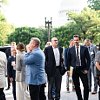
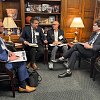
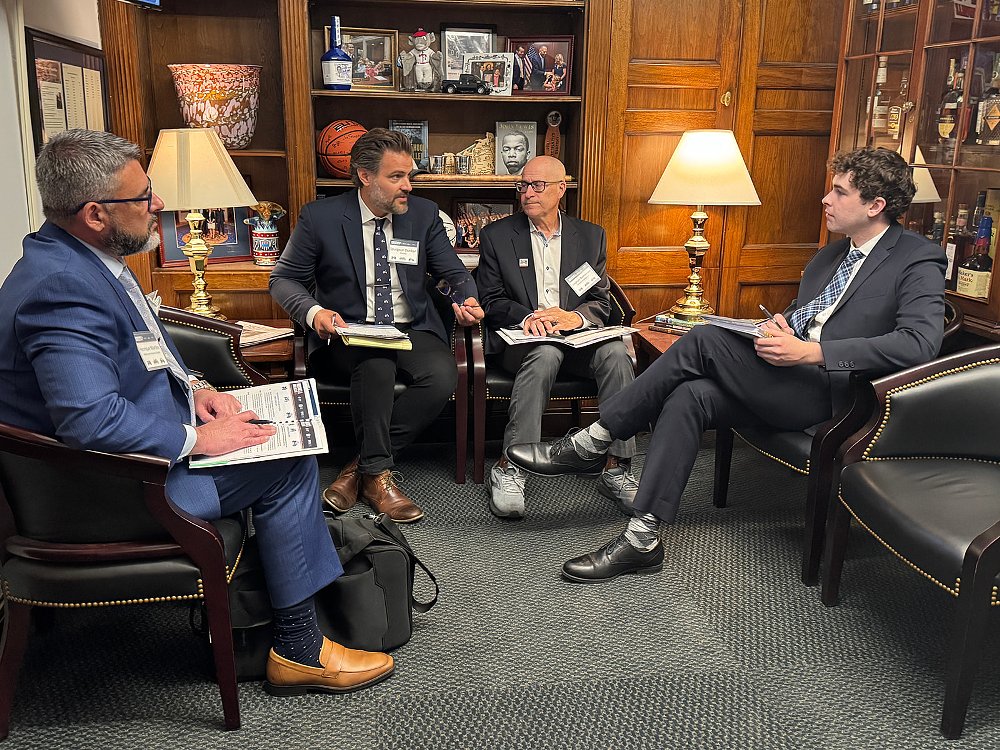
Knowing I wanted to be more heavily involved, I volunteered to join Steve and the rest of the representatives from around the industry for this year’s Fly-In on May 18 and 19. While there were a variety of talking points available for us to address, here are a few that we focused on in our meetings.
“The Forever Chemical Regulation and Accountability Act”
Bills currently in both the House (HR 8016) and Senate (S4153) would ban children’s products that contain PFAS chemicals. PFAS is an acronym for a class of toxic, man-made chemicals called per- and polyfluoroalkyl substances. They have come to be known as “forever chemicals” because PFAS don’t break down in nature, causing them to build up in the human body and the environment.
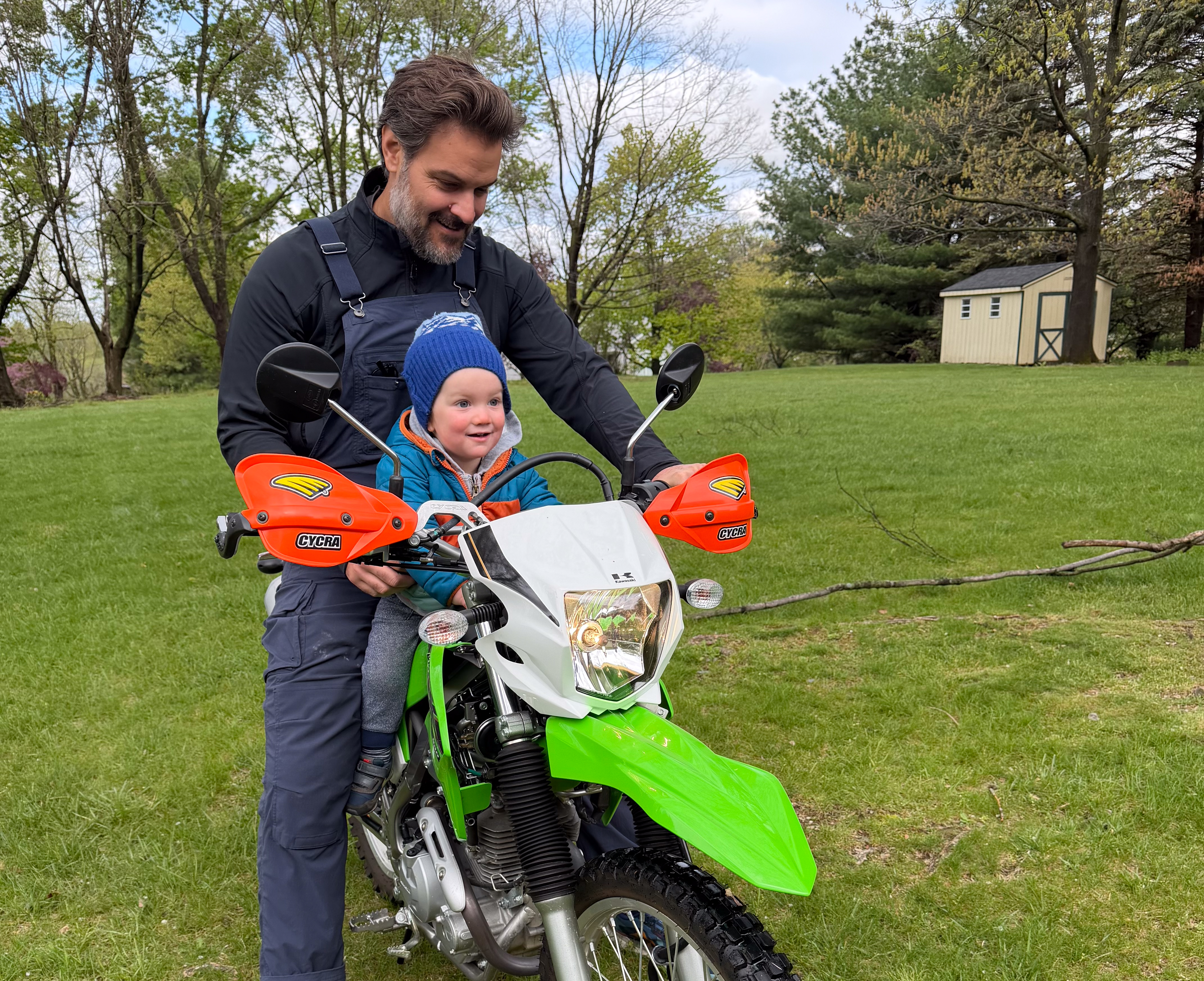
So, at first glance, this law makes sense. As a father and uncle, I don’t want these chemicals in the sippy cups or toys my kid is playing with. However, the proposed legislation would also ban kids' dirt bikes and ATVs because these chemicals can be found in various engine components.
For those of you old enough to remember, youth motorcycling faced a similar issue nearly 20 years ago with the Consumer Product Safety Improvement Act (CPSIA) of 2008, which focused on eliminating toys containing high amounts of lead from being imported into America. Unfortunately, youth vehicles got swept into that bucket as well and for almost 18 months dealers were banned from selling kids recreational vehicles until finally an amendment was passed.
Removing PFAS chemicals is going to be an ongoing issue, and lawmakers are going after the immediate risks first. Our common-sense ask was not to ban children’s vehicles as part of this legislation because they’re not an immediate risk to kids. While PFAS chemicals might be found in an O-ring or fuel line, my son wants to ride his motorcycle, not lick it. His desire to do the latter would speak much more to my parenting skills than government regulation.
Increase annual funding to the Recreational Trails Program (RTP)
The RTP Full Funding Act is currently making its way through the Senate (S 811). The Recreational Trails Program provides funding used for trail design, construction, maintenance, education, and accessibility for the states' recreational trails and facilities. This includes motorized, non-motorized, and mixed-use trails.
The RTP is funded, via the federal gas tax. According to the Federal Highway Administration, dual-purpose and off-highway motorcyclists, along with ATV and UTV users, contribute $281 million of recreational gas tax annually. However, only $84 million is returned to the RTP funding.
One of the important notes that we stressed with the members of Congress is that while the program is funded from the gas taxes paid by users of recreational vehicles, the funds are used to support hiking, mountain biking, equestrian, and other non-motorized trails, in addition to those that support our interests.
While we’re not expecting Congress to make up the entire $200 million shortfall, we are hopeful that we land somewhere better than where we are now. By fully funding this program, states can do a better job of creating and maintaining trails for all people looking to spend their time actively enjoying the outdoors.
Exclude powersports vehicles from The PART Act
The Preventing Auto Recycling Theft (PART) Act (HR 5221) is designed to help to quell the rise in catalytic converter theft in the United States. This bill would require a part identification number to be stamped into catalytic converters so law enforcement could trace it to the VIN on the automobile. The goal being to make it harder for thieves to sell stolen catalytic converters for scrap.
The industry is asking for an exclusion for powersports vehicles. The argument is that powersports vehicles are not targeted for catalytic converter theft the way automobiles are, in part because these vehicles are small, difficult to access, and have smaller amounts of precious metals than cars and trucks. The cost of this program would be prohibitive for dealerships and aftermarket manufacturers to perform at the same scale as their larger automotive counterparts.
Oppose changing the definition of a motorcycle
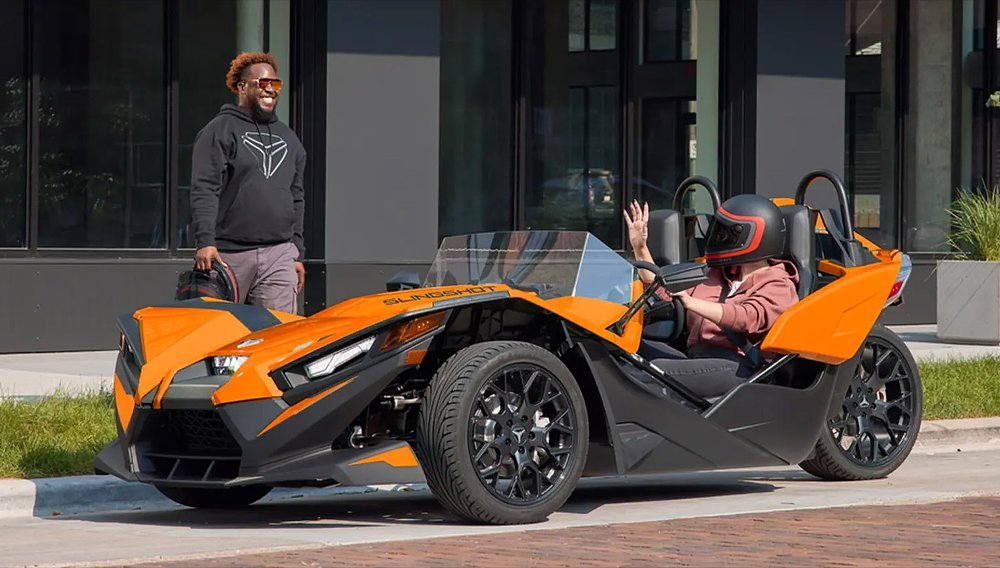
As Dustin Wheelen reported for Common Tread back in February of this year, a bill was introduced in the House of Representatives (HR 3385) to strip autocycles like the Polaris Slingshot from the federal definition of a motorcycle. Should this bill pass, these vehicles would be left in “classification limbo,” neither recognized as a motorcycle nor a car in the eyes of the law. As the MIC said at the time, this would amount to a “de facto ban on an established and successful motorcycle market segment.”
Our group argued that this measure is a “solution in search of a problem.” It’s exclusionary in nature and we as motorcyclists need to be as inclusionary as possible. We can’t afford to kick people out of the club just because they have a different way of enjoying the freedom of the road. Additionally, this would also hurt American manufacturing jobs as Polaris Slingshots are produced in Alabama.
The results
The MIC reported that “just two days after the event, two proposals opposed by the industry during those meetings were left out of the House Energy and Commerce Committee's base highway reauthorization package.” The two issues in question are the redefinition of a motorcycle and powersports inclusion in the PART Act.
So as of now, Slingshot owners can breathe a sigh of relief. But the main takeaway I was left with is that the need for advocacy is never done.
In addition to the issues listed above, there were also plenty of discussions around tariffs imposed by the current administration and the effects rippling through the motorcycle industry. Nearly every lawmaker we met with acknowledged the issue, but didn’t have any clear thoughts or guidance on what next steps would look like.
Additionally, I’ve been lobbying at the state level alongside members of the MIC and The Pennsylvania Off Highway Vehicle Association to advocate for more off-road access for motorcycles by allowing for an OHV designation. This has been an important issue for me for years going back to an article I wrote in 2020 and yet Pennsylvania remains the only state in the country where motorcycles aren’t legally classified as Off-Highway Vehicles. While we failed to get the bill passed six years ago, we seem to be gaining some traction in Harrisburg this time around.
All things considered, I enjoyed my time in D.C. lobbying alongside other industry professionals. And I learned a lot. We are living through a time of polarization in American history, but we all have a choice. We can sit around doom scrolling through clickbait headlines designed to confirm our individual biases, or we can roll up our sleeves and make an effort to effect positive change. And even in our little sliver of the two-wheeled world, the latter felt a lot more rewarding to me than the former.
Image Gallery