

 Membership
 Riders Preferred Membership
 Shop by Vehicle
 Track Order
 Contact Us
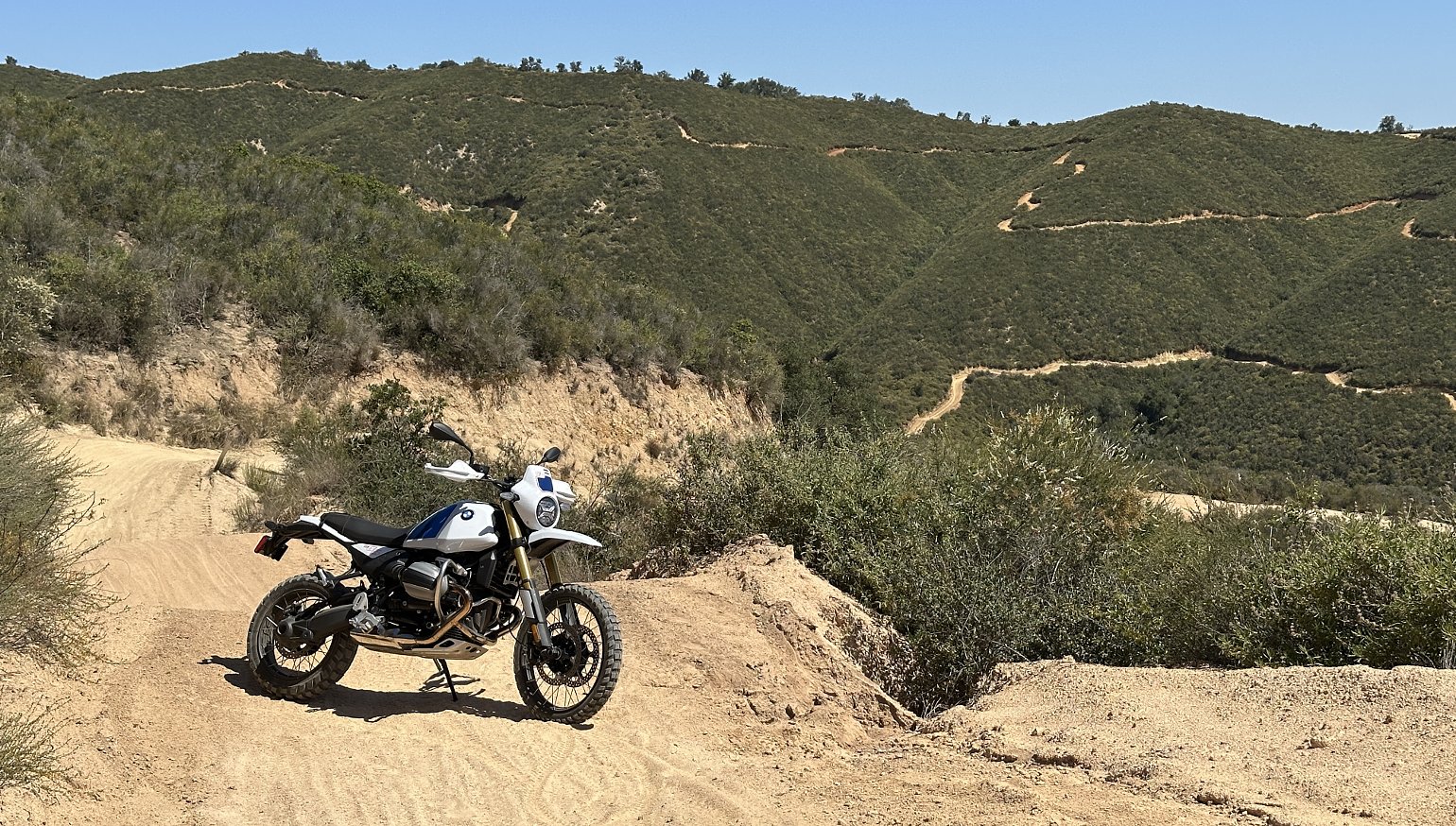
BMW’s R 1300 GS is the quintessential adventure-touring motorcycle. It is luxurious, fast, bristling with just about every piece of technology in the world of motorcycling, and has a price to match. For all of those reasons, and more, the GS takes its fair share of criticism and abuse.
People have been complaining for decades now that the big, flagship GS models are too huge and too complicated. BMW probably doesn’t care too much about the haters, considering how many GSs roll out of dealers and onto the road every year. Still, even a die-hard Beemer fan knows that the bike that the big GS has become is a far cry from the R 80 G/S that started it all.
Over the course of more than 40 years of GS production, BMW has answered the call for a simpler, more pure version of a GS at least a couple of times. The HP2 Enduro of 20 years ago will come to mind, and of course the R nineT Urban G/S of about 10 years ago. With the R 12 G/S, things are a little bit different and a little bit the same.
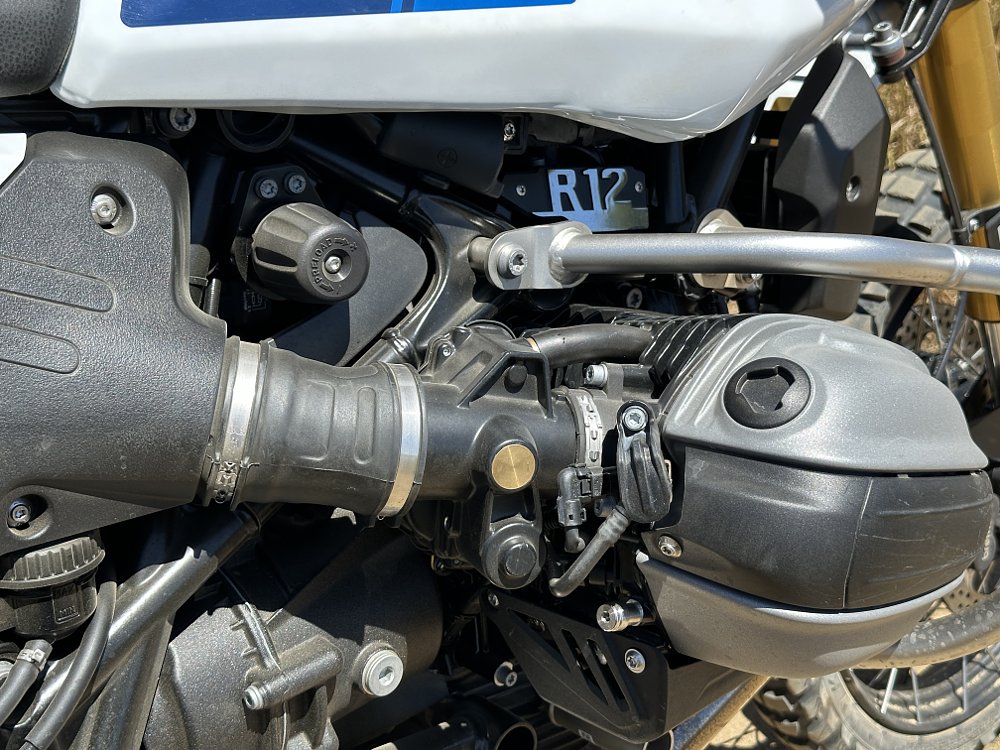
A lot of the mantra, and even the mechanical pillars of the machine, are broadly pulled from previous G/S variants. For one, the 1,170 cc oil-cooled boxer engine, which is practically identical to the engine used in that HP2 Enduro (when the engine was new) and every flavor of R nineT and R 12 model that has launched in the past 12 years.
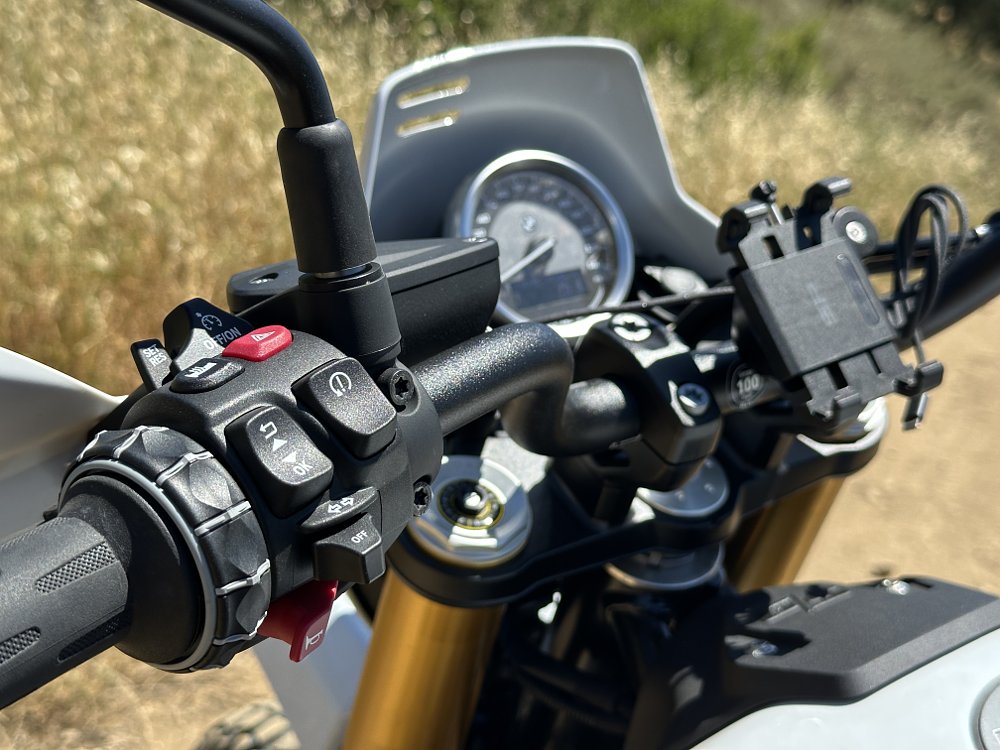
The paralever swingarm and shaft drive are typical of BMW R models. too. Then there’s the mirrors, dash unit, blinkers, switchgear and other detail pieces that were pretty obviously pulled from BMW parts bins.
The ways in which the R 12 G/S is different from other BMWs is more about design and purpose than individual parts. It does, technically, use a new frame — a redesign that touches all of the new R 12 models, from retro-standard, to cruiser-type-thing, to that-other-nod-to-heritage one. But, a steel-tube trellis isn’t exactly breaking new ground.
Cliché as it might be, this R 12 mostly just embraces G/S ideals in a new way. Where the HP2 Enduro tried to provide a similarly modern alternative (in 2005, anyway) and the R nineT variants aimed for heritage without providing any useful off-road performance, the new R 12 G/S is reaching for both.
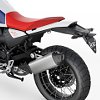
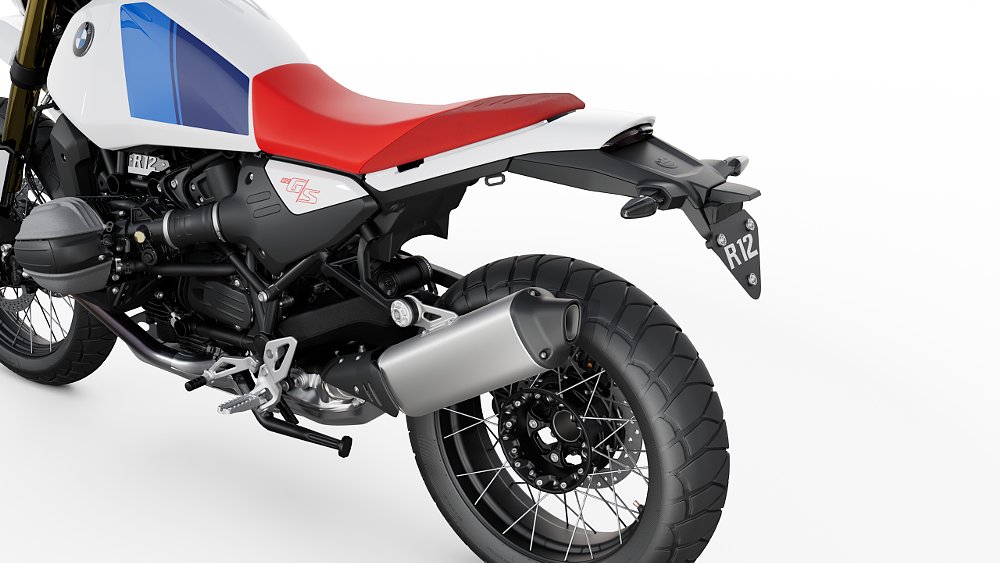
One photo of it will tell you that BMW is leaning into the history of the model pretty heavily, especially the version adorned with a white fuel tank and orange seat. A slightly closer look at the photo will suggest that there’s lots of suspension travel and at least a whiff of off-road intent. My main question about this R 12 model boiled down to: Does it carry itself humbly enough to honor the famous G/S moniker but also work well enough to be considered a modern motorcycle?
Simply put, is it good enough to be a GS and also cool enough to be a G/S?
Hitting the road
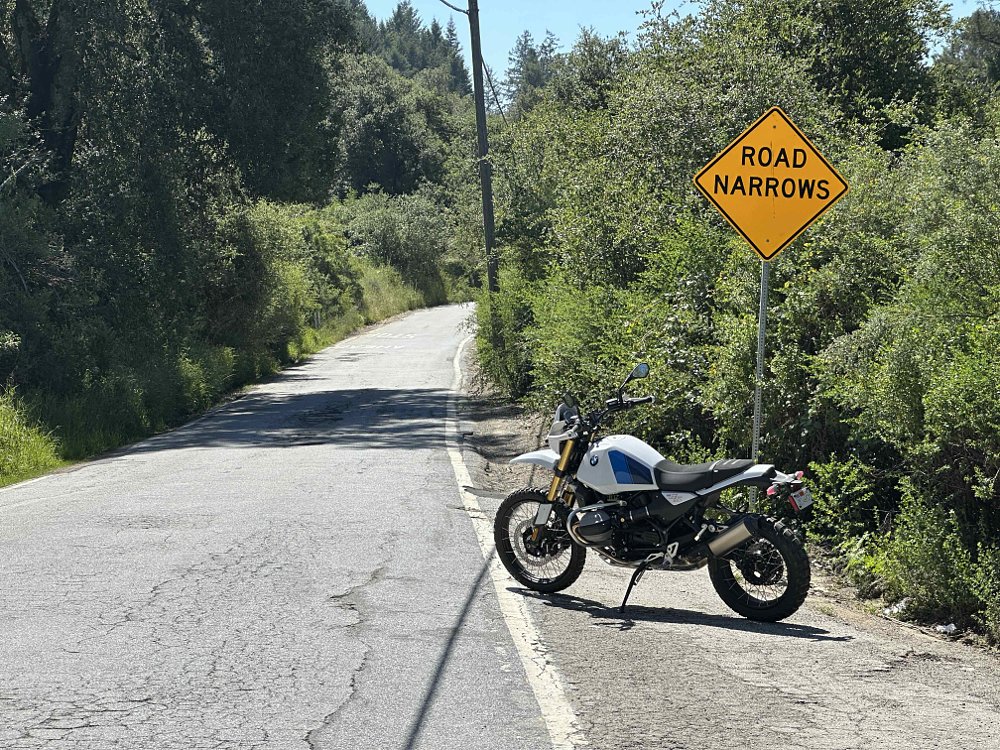
I had one strong and simple reaction when I first sidled up to the R 12 G/S and climbed aboard. Holy crap, this thing is huge. After riding it a few miles back to my desk, I checked the numbers and found some big ones — a 62.4-inch wheelbase, 528 pounds on our scales, and a 35.2-inch seat height.
To be fair, the R 12 G/S I tested had the Enduro Package Pro installed, which replaces the 17-inch rear wheel with an 18-inch hoop, as well as the “Rally” seat that adds nearly an inch of height to the already tall saddle. Still, I can offer a quick PSA: If you have some freakish inseam number and can never seem to find a bike that fits quite right, you may have met your match.
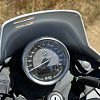
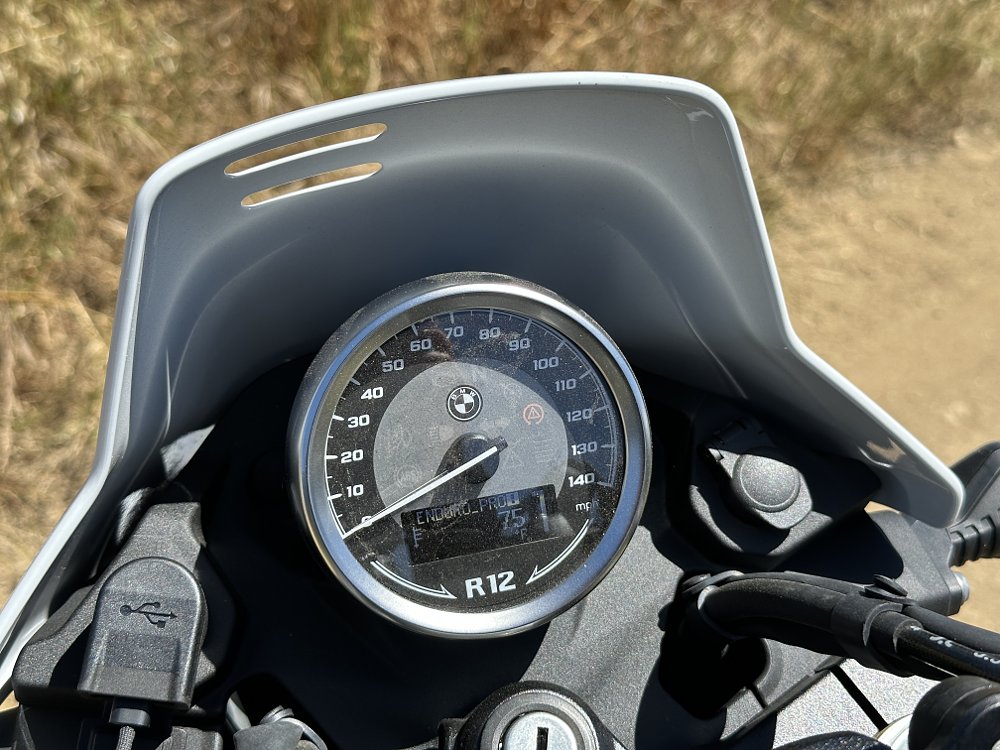
The handlebar is wide and tall (the Enduro package also adds handlebar risers) and there’s lots of legroom. Staring back from the central cockpit is a single gauge, an analog speedometer with an unpretentious LCD about the size of a stick of Doublemint. Peer down and you’ll see the familiar sight of two finned cylinders jutting outward, the right one set slightly aft of the left.
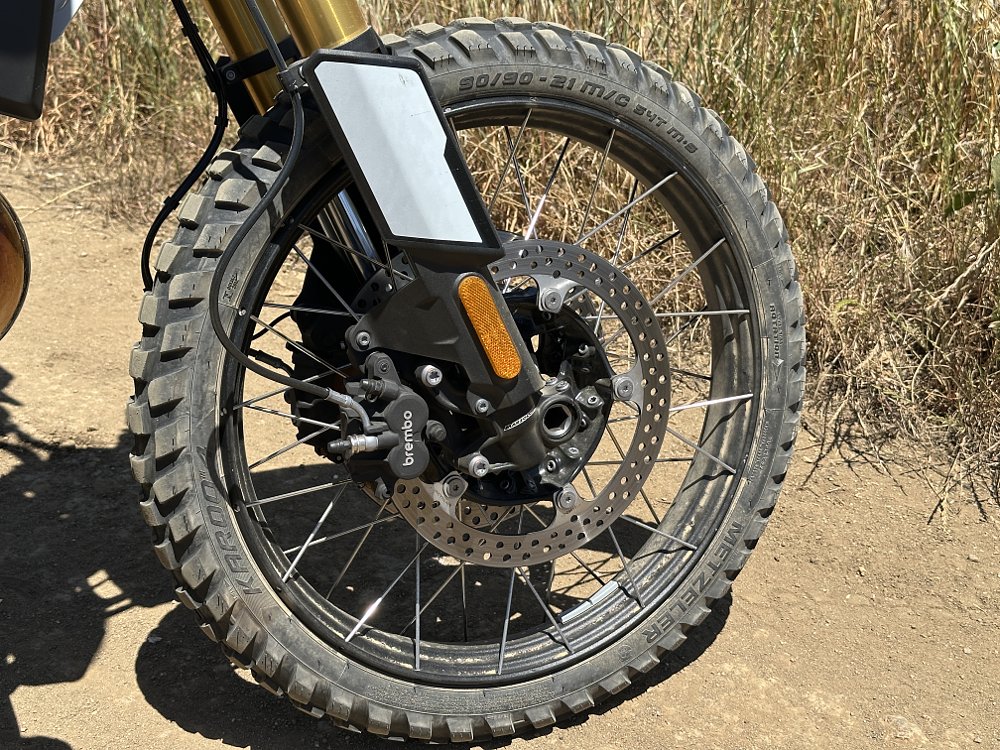
It is long and tall and, because of a fairly slack steering-head angle (nearly 27 degrees of rake), it acts that way, too. Considering the eight inches of suspension travel and 10 inches of ground clearance, plus the off-road-option Michelin Karoo 4 tires, I never even came close to dragging my toe or footpeg as I weaved through the California forests on my favorite twisty roads.
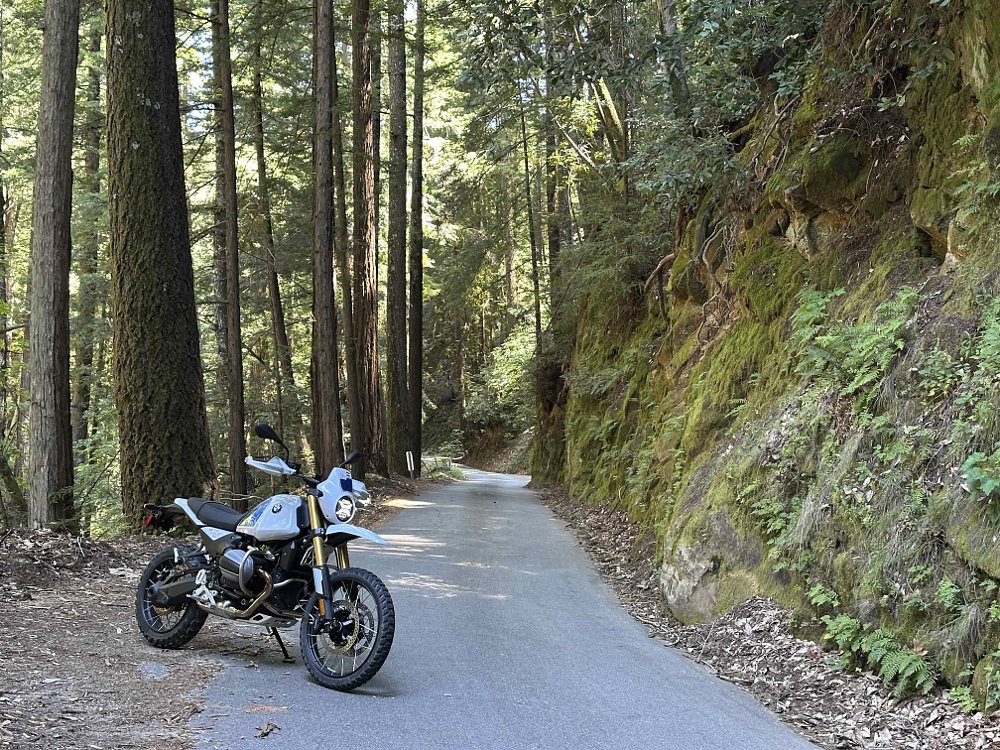
Even for a 21-inch front wheel the R 12 G/S is a little slow to steer, but then again it’s also undeniably stable while sweeping through a set of curves. Once I acclimated to the slightly numb feeling of the tires I had a blast. The so-called “oil-head” boxer was born essentially as a sport-touring engine, and it shows — a wide swath of torque that spreads beyond the middle of the rev range and plenty of punch overall, even if there’s no hyperactive top-end rush.
The engine clatters a little more than modern bikes tend to, and smells a lot more like hot oil when it finally comes to a rest. It is a satisfying, elemental motorcycling experience.
On the freeway it’s elemental alright, only not as satisfying. The engine is right at home but the aesthetic nail that the R 12 G/S hits right on the head feels more like a miss at 75 mph. That wide, tall handlebar means the rider’s torso is in the classic spinnaker position, upright and perfectly placed to catch as much wind as possible.
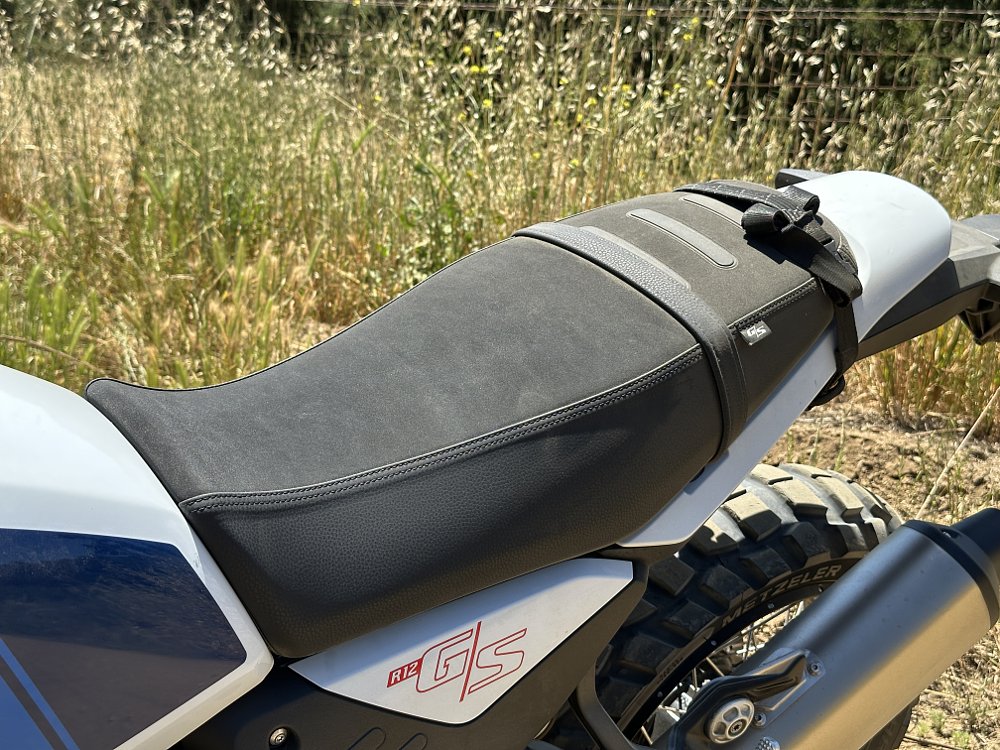
One piece of good news was the Rally seat, which is fairly long and flat, so I could scoot back to lean into the wind blast. Also one of the reasons the saddle is so tall is that it’s thick, and I found even a couple of hours on the highway was pretty reasonable.
Hitting the trail
Then again, perhaps you were always expecting a BMW with “GS” in the name to be good on the open road. They usually have been. The question mark more often lies around whether or not we should consider them for off-road riding. To me, this R 12 G/S poses the question in a new way. It’s huge and tall, yes, but it’s also simple and uncluttered in a way that defies the aura of most GS iterations.
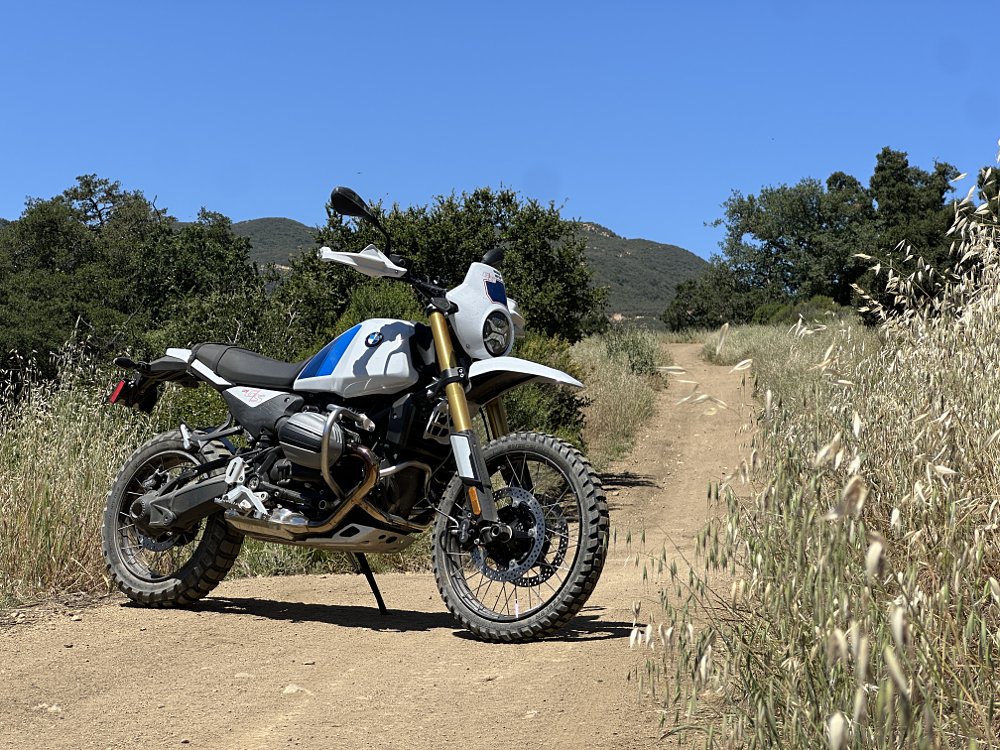
It only took a few miles of dirt to uncover the answer, which is that it’s surprisingly good at most of it and surprisingly bad at some of it. Oddly, I dove almost immediately from gentle access roads into a network of dry, loose OHV trails that were littered with enormous whoops and pockets of axle-deep sand. The G/S battled through, with plenty of power to blast through the sand and roost its way up steep climbs.
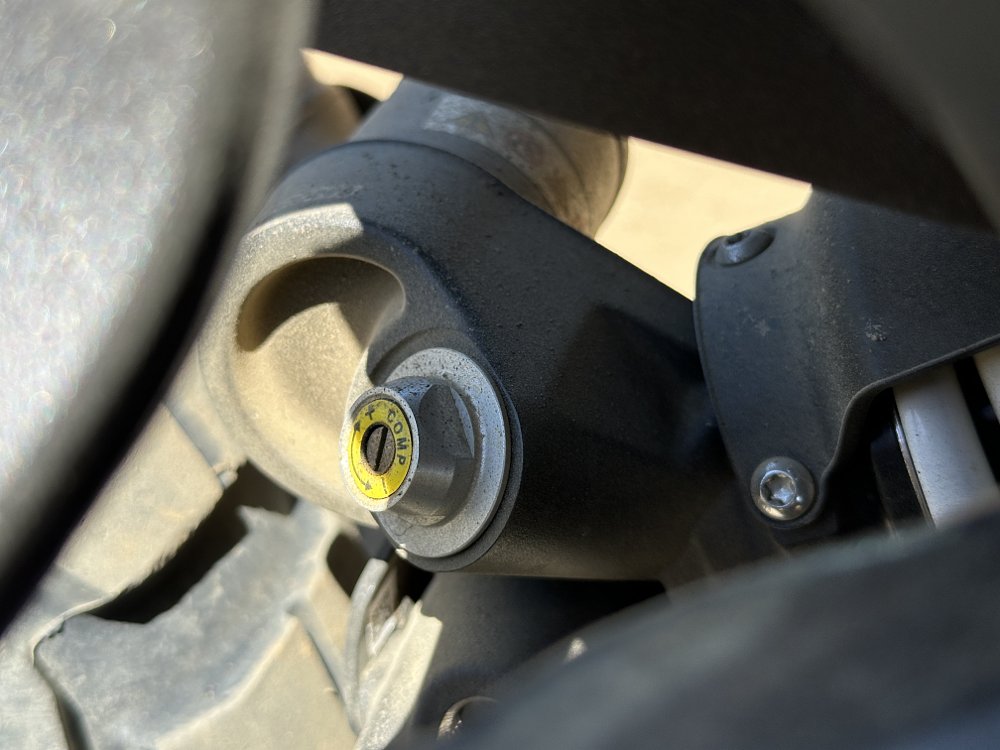
The only big problems were to do with the bike being, well, big. Losing front-end traction simply takes on new meaning when the machine weighs more than 500 pounds, as does any little tip-over. Jumps are R 12 G/S kryptonite, too. Suspension that felt stiff and well-tuned on the street was overwhelmed almost immediately when both wheels came off the ground.
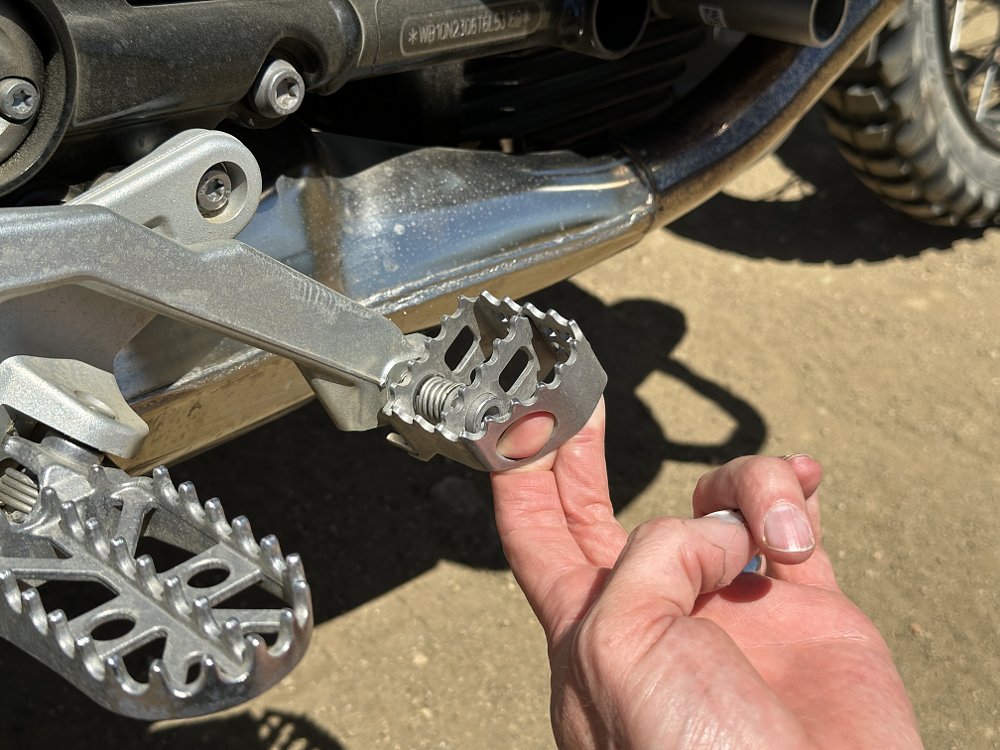
Eventually I accessed some smoother, flowing trails. Still riddled with holes and bumps, but no extreme whoops or deep sand. Finally, true G/S country. The bike ate every small and medium-sized water bar or pothole like a snack and trotted along proudly for miles. Wanna get rowdy? Switch off the traction control or use the Enduro Pro electronics to get swayze-but-not-too-swayze in or out of corners.
Practically, I only ended up with a couple of complaints. Foremost, my right shin bumped into the intake tract of the right cylinder when I scooted forward on the seat. At six feet, two inches, I’m hardly the tallest rider destined for an R 12 G/S and I feel like it’s a bit of a miss considering what an obvious problem it is.
My only other one is the transmission, which works pretty well with the quickshifter for an engine that was designed before quickshifters were really a thing. Even so, I found myself wishing for wider ratios between the gears — first gear felt tall, and I sometimes reached for seventh gear at freeway speeds. I can’t say for sure, but I suspect if the R 12 G/S had a classic, wide-ratio gearbox and no quickshifter option I would have been more charmed than miffed.
Hitting the nail on the head
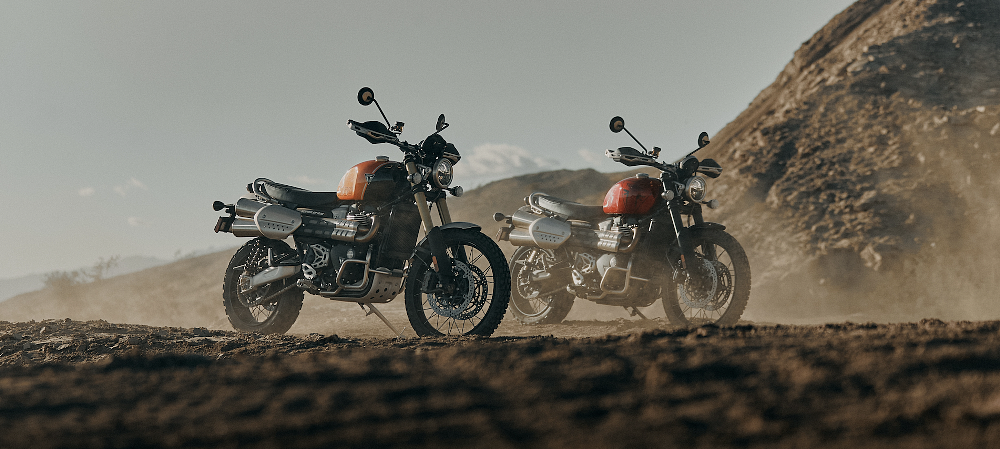
That’s what happens with a repurposed powerplant and a retro vibe, though, right? I think there’s a lot to learn by adding the context of the R 12 G/S’s most obvious competitor, Triumph’s Scrambler 1200 XE. Hinckley’s high-top has a similarly tall seat height and raked-out front end geometry (clearly both companies learned something in testing), but beyond that the XE’s specs tell a better story.
The Triumph has more suspension travel, a shorter wheelbase, weighs around 20 pounds less, and has a lower price. Subjectively, it’s also hard to argue that the Scrambler 1200 isn’t a classier package. Where the R 12 G/S has parts-bin pieces sprinkled all over, Triumph’s whole Modern Classics line carries an extremely intentional aesthetic.
Comparing the two engines offers my whole point here, in a microcosm: BMW used the retired GS powerplant from years ago, and there wouldn’t be anything wrong with that if Triumph hadn’t taken the time to produce a cut-from-whole-cloth, retro-styled engine family 10 years ago. The Scrambler 1200 mill works as well as, if not better than, the R 12’s and it does so while sounding great and looking comparatively gorgeous.
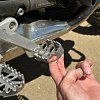
Modern Triumph Scramblers have been curated with nearly every detail in mind. BMW’s R 12 G/S looks sort of like the original R 80 G/S if you squint a little. All of that makes it even harder to stomach that the Scrambler 1200 XE base price ($15,295) is more than $1,500 cheaper than R 12 G/S ($16,995). My test bike for this story added the aforementioned 18-inch wheel, knobby tires, off-road footpegs, bar risers, hand guards, skid plate, the Enduro Pro riding electronics, and a longer kickstand, for $880. That package is a steal, if you ask me.
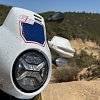
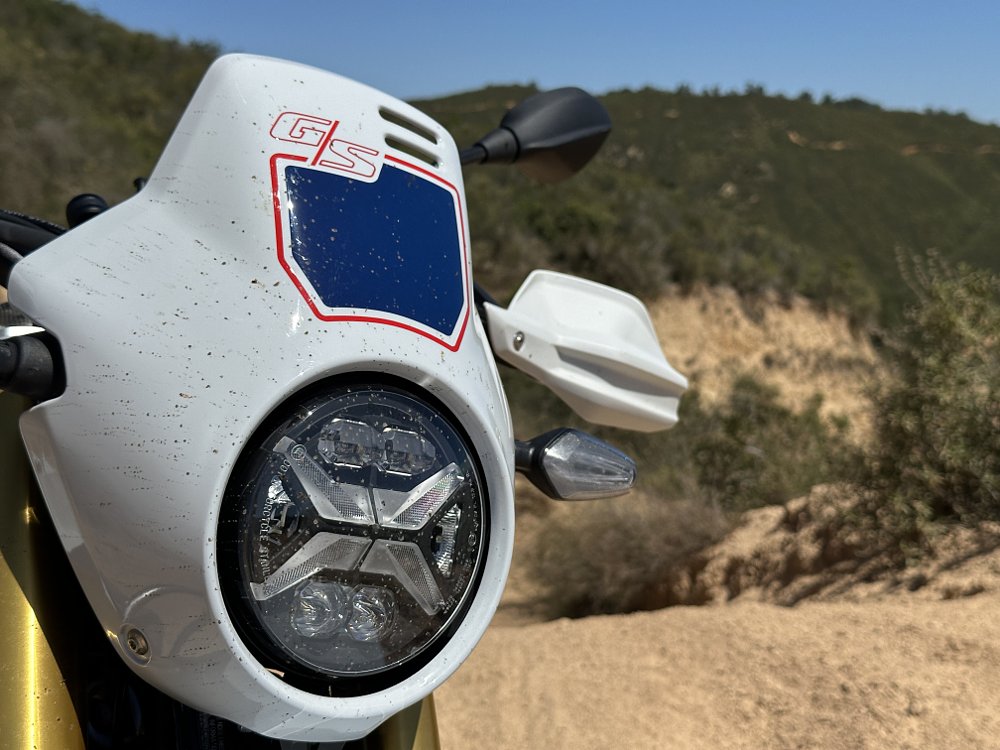
My R 12 G/S tester also had the Premium Package, which includes the quickshifter, heated grips, cruise control, tire-pressure monitoring, hill hold, and an upgraded LED headlight, for $1,805. Less of a steal, I think, but the heated grips, cruise, and TPMS are nice to have, I’ll admit. Add cylinder guards for nearly a grand, and that thicc seat for nearly 900 (!) dollars, I was riding yet another GS with a price in excess of $20,000.
If I were funding the purchase of an R 12 G/S, I would absolutely splurge for the Enduro Pro bits because I think the 18-inch rear wheel looks better and I don’t mind the taller stature. Then, funny enough, I’d opt for much more street-oriented tires, and I’d tell the dealer to keep the cruise, quickshifter, TPMS, and hill hold. I want heated grips, but I would go to the aftermarket if necessary.
Regardless of the build, I’ve ridden this G/S around and gazed at it from every viewpoint, and I can’t find an angle where it doesn’t just seem like BMW’s scrambler offering is a little bit too little and way too late. To be clear, I’m not a Steve McQueen worshipper, beholden only to Triumphs. I grew up with an R 80 G/S in the family garage.
Normally, maybe it would be uncouth to admit that I have a soft spot for old BMWs while writing a review of a BMW. But, actually, I think that’s kind of the point of this bike. We should all have a soft spot for the original G/S. And McQueen-era Triumphs, for that matter, and air-cooled Harley Sportsters, et cetera. Some bikes have earned a bit of fawning over.
Ultimately, I find myself glad the R 12 G/S is in the world. It must have relieved some of the pressure BMW felt to honor its own past, and it’s pretty clearly the best homage to the original R 80 that has made it to showrooms. Good enough to be a GS and cool enough to be a G/S, I say. And in the end, ironically, with nearly all of the heft and expense for which the GS is famous.
| 2026 BMW R 12 G/S | |
|---|---|
| Price (MSRP) | $20,910 (as tested) |
| Engine | 1,170 cc, air-and-oil-cooled, eight-valve, horizontally opposed twin |
|
Transmission, final drive |
Six-speed, shaft |
| Claimed horsepower | 109 @ 7,000 rpm |
| Claimed torque | 85 foot-pounds at 6,500 rpm |
| Frame | Steel-tube trellis |
| Front suspension | Marzocchi 45 mm fork, adjustable for spring preload, compression and rebound damping; 8.2 inches of travel |
| Rear suspension | Marzocchi shock, adjustable for spring preload, compression and rebound damping; 7.8 inches of travel |
| Front brake | Brembo two-piston calipers, 310 mm discs with linked ABS |
| Rear brake | Brembo two-piston caliper, 265 mm disc with linked ABS |
| Rake, trail | 26.8 degrees (26.9 degrees with 17-inch rear wheel)/4.8 inches |
| Wheelbase | 62.4 inches (62.2 with 17-inch rear wheel) |
| Seat height | 35.2 inches (33.9 inches without Enduro package, 34.4 inches with Enduro package and standard seat) |
| Fuel capacity | 4.1 gallons |
| Tires | Metzeler Karoo 4, 90/90-21 front, 150/60-18 rear |
| Measured weight | 528 pounds |
| Available | Now |
| Warranty | 36 months |
| More info | bmwmotorcycles.com |